Patent Ductus Arteriosus (PDA): Causes, Symptoms, Diagnosis, and Management
Patent ductus arteriosus (PDA) occurs when the opening between the aorta (the artery that carries oxygen-rich blood to the body) and the pulmonary artery (the artery that carries oxygen-poor blood to the lungs) does not close as it should.
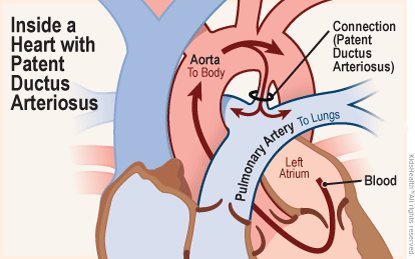
PDA causes too much blood flow into baby`s lungs after birth, depending on the size of the hole. While in the womb, the ductus arteriosus allows blood to bypass the baby’s lungs because the mother supplies the baby with oxygenated blood through the placenta. [1]
What are the causes of PDA?
The exact cause of PDA is unknown; however, it is most commonly seen in premature infants (babies born more than three weeks before the projected due date). Studies suggest PDA affects about 65% of infants born before the 28th week of pregnancy. It is rare in full-term babies and is twice as common in girls than in boys.
PDA can co-exist with other congenital heart conditions. The risk of congenital heart defects like PDA may also increase due to:
- Certain genetic conditions.
- Family history of congenital heart conditions.
- Fetal distress in the womb.
- Infections in the mother or fetus during pregnancy, such as rubella.
- Other pregnancy-related risk factors, such as smoking or taking certain medications. [1]
What are the symptoms of PDA?
A small PDA might not cause symptoms. Some people don't notice symptoms until adulthood. A large PDA found during infancy or childhood might cause:
- Poor eating leads to poor growth.
- Sweating while crying or eating.
- Constant fast breathing or being out of breath.
- Gets tired easily.
- Rapid heart rate. [2]
What are the complications of PDA?
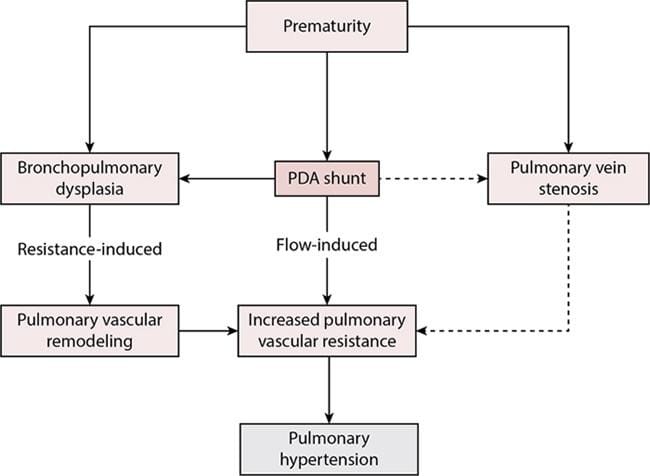
If untreated, PDA can cause:
- Pulmonary hypertension: Over time, the increased pressure damages the smaller blood vessels in the lungs. A life-threatening and lasting type of lung damage called Eisenmenger syndrome may occur.
- Heart failure
- Endocarditis: infection of the heart can damage or destroy the heart valves. [2]
How is PDA diagnosed? [4]
How is PDA managed?
Nonsteroidal anti-inflammatory drugs (NSAIDs) given to premature babies help block certain body chemicals that keep the PDA open. Some healthcare professionals may advise taking antibiotics as a preventative measure against certain infection risks.
SURGERY
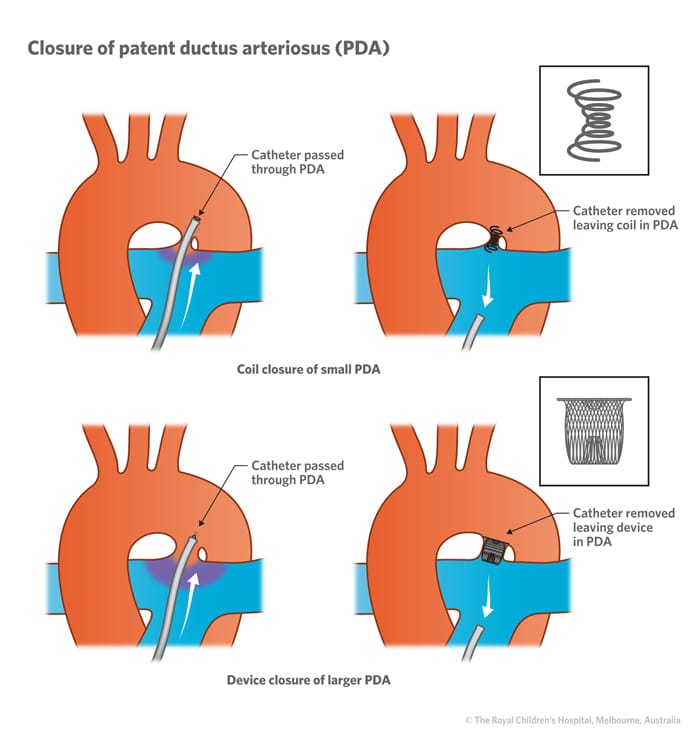
- A catheter procedure involves plugging the opening by inserting the catheter into a blood vessel in the groin and guiding it to the heart.
- Open heart surgery may be needed if medicines don`t work or if the PDA is large or causing complications. [3]
Lifestyle modification for a healthy pregnancy and foetal health includes:
- Quitting smoking and alcohol.
- Eat healthy food.
- Practice good hygiene.
- Keep safe limits in physical activity or sport.
- Stress management.
- Adequate sleep.
- Adequate hydration.
- Schedule a health check-up to take remedial steps pre-conception to ensure healthy foetal development. [3]