Gym or minimum equipment-based pulmonary rehabilitation – Which one is better?
Despite optimal pharmacotherapy, many individuals with chronic respiratory conditions still report dyspnea and exercise intolerance. Pulmonary rehabilitation (PR) is an interdisciplinary program of exercise training and education. Research has shown that PR improves exercise tolerance, symptoms, and overall health-related quality of life (QOL).
Advantages of using specialized exercise equipment can be teaching proper form and action, the ability to train individual muscles, and facilitating exercise prescription and progression. Routine access to specialist gym-based exercise equipment may come with a cost and may not be readily available for regular use.
STUDY OBJECTIVE
The ability to deliver PR with minimum exercise equipment may open avenues for a number of settings, including non-medical facilities or patients' homes. Also, due to limited comparative data on the benefits of minimum equipment-based PR versus traditional gym equipment-based PR, the authors thought to research and compare the two approaches.
METHODOLOGY
This study was a randomized clinical trial with a total of 436 participants who were 18 years or older. They were diagnosed with a chronic respiratory condition and referred for PR at the Regional Pulmonary Rehabilitation Unit in northwest London, UK. The participants were randomly assigned to:
- PR (gym) group: Intervention consisted of 1 hour of individualized progressive aerobic and resistance training in the gym with specialized equipment such as treadmills, cycle ergometers, specialist lower limb resistance equipment, and 45 minutes of education. The frequency of the program was 2 days per week for 8 weeks on an outpatient basis.
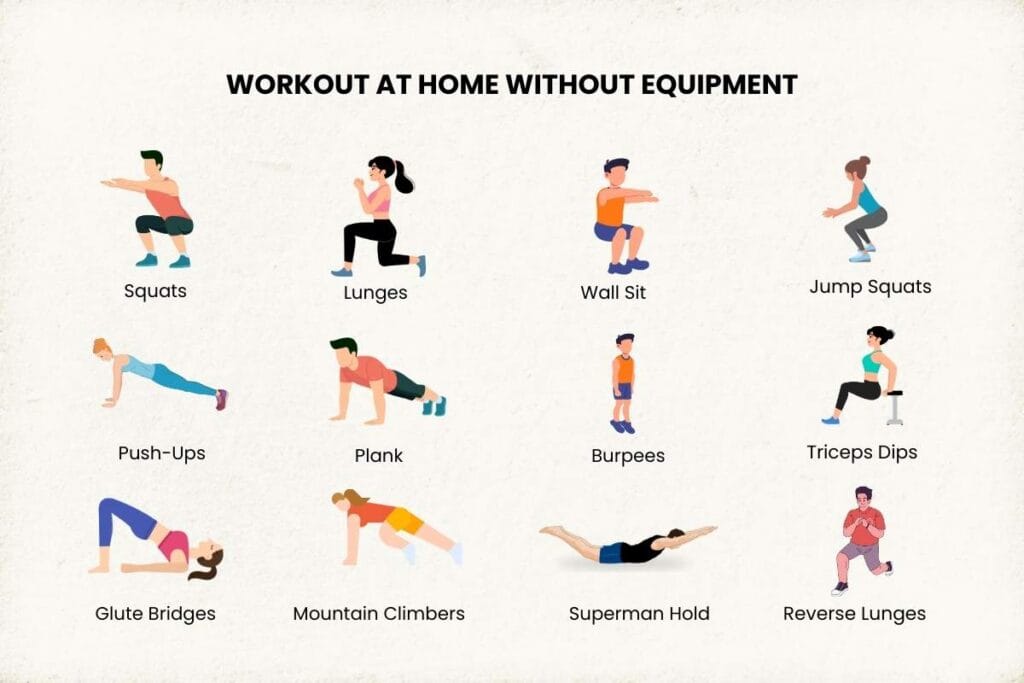
- PR (min) group: Intervention consisted of 1 hour of individualized progressive aerobic and resistance training in a walking circuit with a stopwatch, body weight exercises, portable pedals or steppers, and elastic resistance bands, and 45 minutes of education. The frequency of the program was 2 days per week for 8 weeks on an outpatient basis.
Participants were recruited from 15th October 2018 to 21st December 2021, with the final follow-up done on 14th December 2022.
The study was halted for 13 months from February 2020 to March 2021 during the COVID pandemic.
OUTCOME MEASURES
- Change in incremental shuttle walk (ISW) distance – primary outcome
- Change in dyspnea
- Change in health-related QOL
- Costs
- Adverse events
The outcomes were recorded at:
- 1st visit: baseline assessment
- 2nd visit: after PR at 8 weeks
- 3rd visit: after PR at 12 months
RESULTS
239 (54.8%) out of the total 436 participants were males. There were 218 participants in each group with a mean age of 71.7 years. After non-compliance or drop-outs, or other reasons, the final number of participants that were included in data analysis was 136 participants in the PR (min) group and 130 participants in the PR (gym) group. Data analysis was performed from May 2023 to January 2025.
- Change in ISW test between visits 1 & 2 for PR (min) was 24.7 m and for PR (gym) was 23.0 m, with the between-group difference of 1.7 m.
- 83.0% of PR (min) and 73.5% of PR (gym) participants reported feeling “much better” or “a little better” after PR on the Global Rating of Change Questionnaire.
- Similar findings were observed for dyspnea and health-related QOL.
Key takeaways:
- Data analysis demonstrated significant improvements in ISW distance, with no significant between-group difference.
- A robust range of sensitivity analyses demonstrated that PR-min was noninferior to PR-gym with respect to all the study outcomes taken into consideration.
LIMITATIONS
- The authors faced restrictions on face-to-face assessments and suggested missing data, particularly for outcomes that needed in-person supervision due to the COVID pandemic.
- Further studies are warranted to investigate differences in mortality indicators owing to the small number of deaths seen in both groups.
- Further research is also suggested to find the threshold of physiologic improvements in high-functioning individuals with PR.