
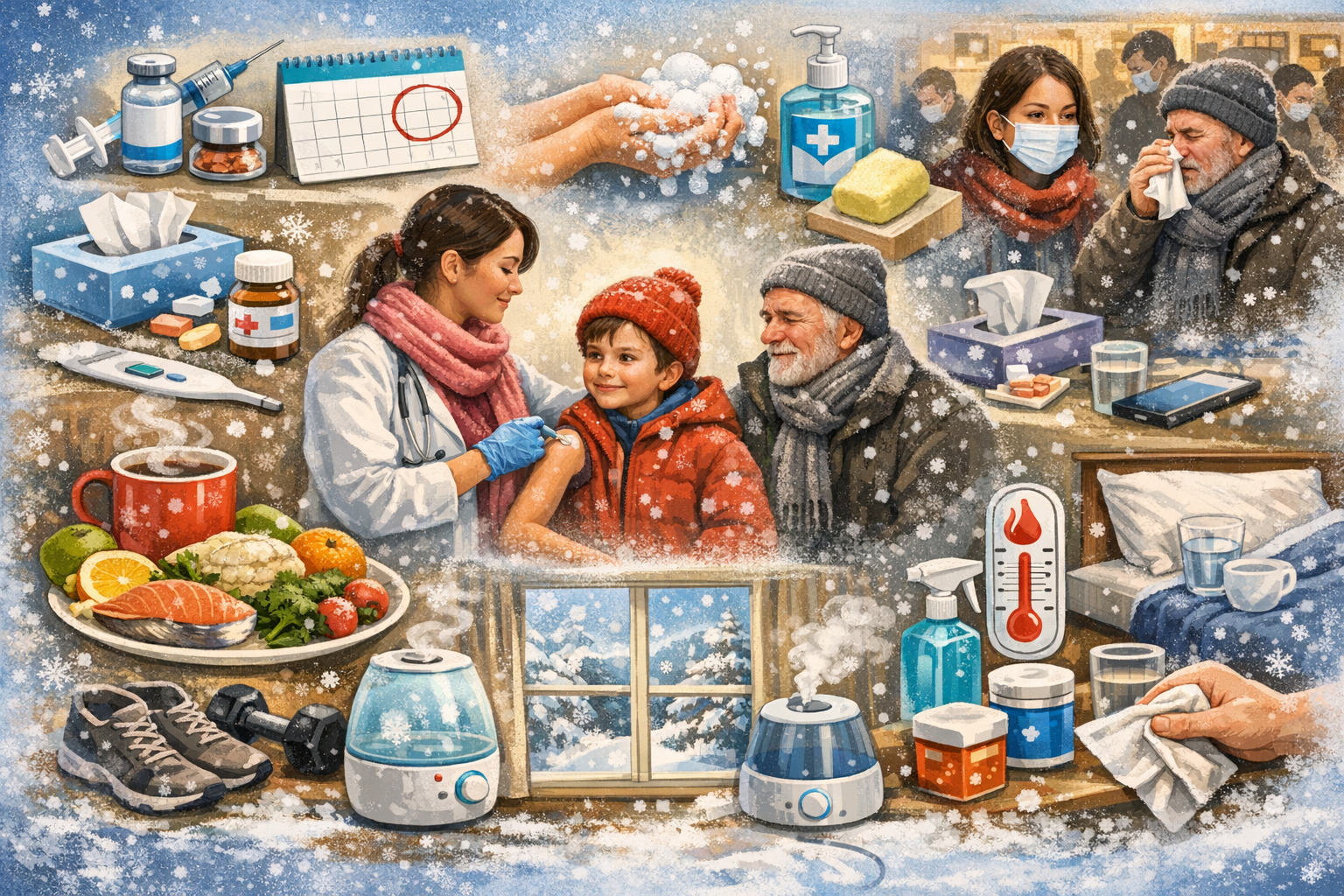
Flu Prevention Checklist for Winter: How to Protect Yourself and Your Family
Winter brings cozy sweaters, festive gatherings, and warm drinks. It also marks the peak of flu season. As temperatures drop and people spend more time indoors, influenza viruses spread more easily, putting millions at risk each year. While the flu is common, it should not be taken lightly. It can lead to missed work or school, serious health complications, and hospitalization, especially among young children, older adults, pregnant individuals, and those with weakened immune systems.
The encouraging news is that most flu infections are preventable. By following a clear flu prevention checklist and practicing healthy daily habits, you can significantly lower your risk and help protect your family and community throughout the winter months.
This comprehensive guide explains what to do, why it matters, and how to make flu prevention a regular part of your winter routine.
Understanding the Flu and Why Winter Increases Risk
Influenza, commonly known as the flu, is a contagious respiratory illness caused by influenza viruses. It spreads mainly through respiratory droplets released when an infected person coughs, sneezes, talks, or breathes near others. Infection can also occur by touching contaminated surfaces and then touching the eyes, nose, or mouth.
Winter conditions increase flu transmission for several reasons. Cold weather pushes people indoors, where close contact is more common. Dry air allows viruses to survive longer on surfaces and in the air. Reduced sunlight may weaken immune response, and holiday travel increases exposure to new environments and people.
Because flu viruses change every year, prevention requires consistent attention and updated protection.
The Winter Flu Prevention Checklist
1. Get Vaccinated for Seasonal Protection
The annual flu vaccine remains the most effective way to prevent influenza and reduce its severity. Each year, health experts update the vaccine to target the most common circulating flu strains.
Vaccination helps reduce your chances of getting sick, lowers symptom severity if infection occurs, and decreases the risk of hospitalization. It also protects vulnerable individuals by reducing overall virus spread.
The flu shot should be taken before winter peaks, but it remains beneficial even later in the season. Encouraging family members, coworkers, and caregivers to get vaccinated helps strengthen community protection.
Skipping the flu shot because you rarely get sick overlooks an important fact. Flu prevention is about protecting others as much as protecting yourself.
2. Maintain Strong Hand and Personal Hygiene
Flu viruses spread easily through hands and shared objects. Strong hygiene habits play a critical role in stopping transmission.
Hands should be washed frequently with soap and water for at least 20 seconds, especially after being in public spaces. When handwashing is not possible, alcohol-based hand sanitizer is a good alternative. Avoid touching your face, particularly the eyes, nose, and mouth, as these are common entry points for viruses.
Covering coughs and sneezes with a tissue or the elbow also limits the spread of infectious droplets. These simple actions significantly reduce infection risk.
3. Reduce Exposure in Crowded and Shared Spaces
During winter, places like schools, offices, public transportation, and shopping centers become common flu transmission zones.
Reducing exposure involves avoiding close contact with people who appear sick and staying home when symptoms develop. Wearing a mask in crowded indoor environments can add an extra layer of protection, especially during outbreaks or when caring for high-risk individuals.
Staying home when sick protects others and supports faster recovery. Responsible behavior helps limit community-wide spread.
4. Clean and Disinfect High-Touch Surfaces
Flu viruses can survive on surfaces such as phones, door handles, keyboards, and countertops for hours.
Daily cleaning of frequently touched items helps reduce exposure. Shared surfaces at home, school, and work should be disinfected regularly using approved disinfectants or alcohol-based wipes. This practice is especially important if someone in the household is ill.
Consistent cleaning reduces the chance of viruses transferring from surfaces to hands and then into the body.
5. Improve Indoor Air Quality and Humidity
Dry indoor air can irritate nasal passages and airways, making it easier for viruses to infect the body. It can also allow viruses to remain airborne longer.
Improving ventilation by opening windows when possible can help circulate fresh air. Using air purifiers and maintaining indoor humidity between 40 and 50 percent may also reduce virus survival. Humidifiers should be cleaned regularly to prevent mold and bacteria buildup.
Healthy air supports respiratory health and overall immunity.
6. Strengthen the Immune System Through Daily Habits
The immune system acts as the body’s natural defense against infections. While no food or supplement can prevent the flu entirely, consistent healthy habits strengthen immune resilience.
A balanced diet rich in fruits, vegetables, lean proteins, and whole grains provides essential nutrients. Staying hydrated supports bodily functions, while quality sleep allows the immune system to recover and repair. Adults should aim for seven to nine hours of sleep per night.
Regular physical activity, even light exercise like walking or stretching, helps maintain immune health. Managing stress through relaxation, mindfulness, or rest also supports the body’s defense mechanisms.
Building immunity is a long-term investment that pays off during flu season.
7. Recognize Early Flu Symptoms and Act Quickly
Recognizing flu symptoms early can help reduce severity and prevent spread.
Common symptoms include fever, chills, body aches, fatigue, headache, sore throat, cough, and congestion. If symptoms develop, it is important to stay home, rest, and limit contact with others.
Contacting a healthcare provider early is especially important for high-risk individuals. Antiviral medications may reduce symptom duration and severity when taken soon after symptoms appear. Individuals should remain at home until they have been fever-free for at least 24 hours without medication.
8. Protect Your Home and Personal Belongings
Flu prevention should continue at home, where close contact is frequent.
Avoid sharing personal items such as cups, utensils, towels, and bedding. Wash clothing and linens regularly, especially after illness. Replacing toothbrushes after recovering from the flu helps prevent reinfection.
Keeping tissues, hand sanitizer, and cleaning supplies readily available encourages healthy habits for everyone in the household.
Special Considerations for High-Risk Groups
Certain populations face a higher risk of flu complications. These include young children, older adults, pregnant individuals, people with chronic conditions, and those with weakened immune systems.
For these groups, flu prevention is particularly important. Vaccination, early treatment, minimizing exposure, and maintaining strong hygiene habits can help prevent serious outcomes.
Caregivers and family members play an important role in protecting vulnerable individuals through their own preventive behaviors.
Making Flu Prevention a Winter Routine
Effective flu prevention is not about a single action. It is about consistent habits practiced daily throughout the season.
Even adopting a few preventive measures can lead to fewer illnesses, reduced healthcare costs, and improved overall well-being. When flu prevention becomes routine, it helps keep families, schools, and workplaces healthier.
Perfection is not required. Progress and consistency make the biggest difference.
Final Thoughts
Flu season does not have to disrupt your winter plans. With awareness, preparation, and proactive habits, you can significantly lower your risk and help protect those around you.
Use this flu prevention checklist as a guide throughout the season. Share it with family members and coworkers, and revisit it regularly. Prevention works best when everyone participates.
Stay warm, stay healthy, and make flu prevention a priority this winter.