Cystic Fibrosis: Causes, Symptoms, Diagnosis, and Treatment
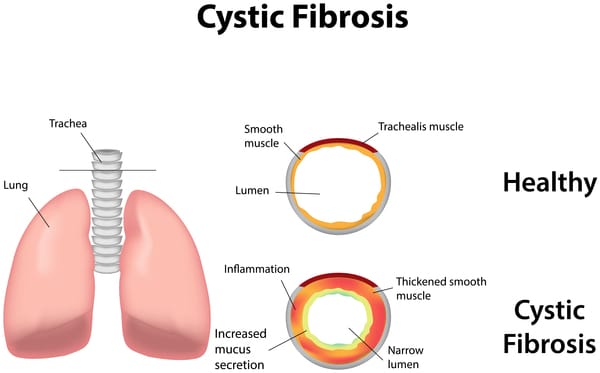
Cystic fibrosis (CF) is a genetic condition that produces faulty protein affecting the cells and tissues of the glands that make mucus and sweat. Normal mucus is slippery and protects the airways, digestive tract, and other organs and tissues. Cystic fibrosis causes mucus to become thick and sticky. As mucus builds up, it can cause blockages, damage, or infections in affected organs.
How common is CF?
Nearly 40,000 children and adults in the United States — and more than 100,000 worldwide — are now living with cystic fibrosis. [1]
What causes CF?
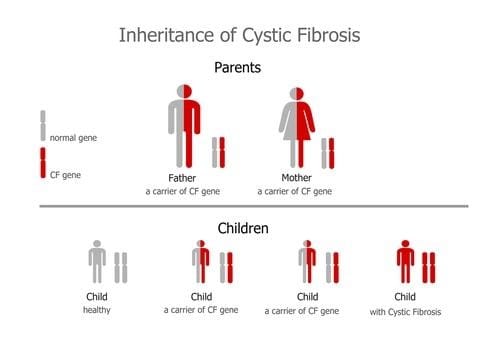
CF is an inherited condition wherein; mutation of a gene called the cystic fibrosis transmembrane conductance regulator (CFTR) provides incorrect instructions to manufacture faulty CFTR protein. The faulty CFTR protein changes how much salt moves in and out of cells. These changes cause thick and sticky mucus and increase the amount of salt in sweat. Thick mucus can block and damage the airways of the lungs, making it hard to breathe. It can also clog the digestive system and other organs of the body.
Inheriting two copies of the mutated CFTR gene, one from each parent, results in the child having CF. [2]
What are the types of CF?
- Classic CF that affects multiple organs and is diagnosed in the first few years of your life.
- Atypical CF, which affects one organ or symptom, may come and go. It’s usually diagnosed in older children or adults.
What are the symptoms of CF?
Typical CF symptoms include:
- Frequent lung infections (recurrent pneumonia or bronchitis)
- Loose or oily poop (stool).
- Trouble breathing
- Frequent wheezing
- Frequent sinus infections
- A nagging cough
- Slow growth
- Failure to thrive (inability to gain weight despite having a good appetite and taking in enough calories).
Atypical CF symptoms include:
- Chronic sinusitis
- Nasal polyps
- Dehydration or heat stroke from abnormal electrolyte levels
- Diarrhoea
- Pancreatitis
Unintended weight loss
How is CF diagnosed?
High levels of Immunoreactive trypsinogen (IRT), a chemical made by the pancreas and released in a baby`s blood, can be indicative of CF. Other tests that may help confirm a CF diagnosis are:
- Sweat test: A Higher level of chloride in a person`s sweat suggests the diagnosis of CF. However, chloride levels may be normal in people with atypical CF.
- Genetic testing: A provider tests blood samples for changes in the genes that cause CF.
- Imaging tests, like sinus and chest X-rays, are done to support or confirm a CF diagnosis.
- Pancreatic biopsy: This can tell your provider if you have cysts or damage to your pancreas.
- Nasal potential difference: This test measures the small amount of electrical charge that’s usually present in the lining of your nose. The movement of ions creates this charge. People with CF don’t have as much ion movement because of the way CF affects their ion channels.
- Intestinal current measurement: A provider takes a sample of rectal tissue to perform this test. A lab uses the sample to measure how much chloride it secretes.
- Other tests, such as lung function tests, can be done to know how well they are functioning. Sputum culture can reveal common bacterial infections occurring in CF, such as Pseudomonas. [3]
What is the treatment for CF?
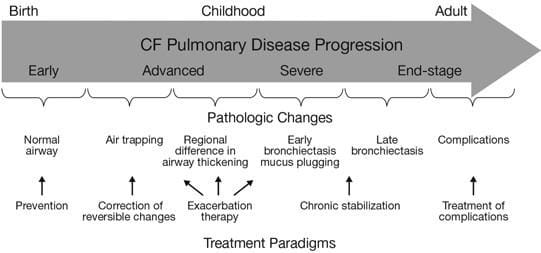
Cystic Fibrosis cannot be fully cured; hence, the aim of any treatment is to ease symptoms and improve quality of life.
MEDICINES
- Medicines that target gene changes and improve how the CFTR protein works. These are called cystic fibrosis transmembrane conductance regulator (CFTR) modulators. CFTR modulators are newer medicines that many experts think are a breakthrough in the treatment of CF.
- Antibiotics are used to treat and prevent lung infections.
- Anti-inflammatory medicines to lessen swelling in the airways in the lungs.
- Mucus-thinning medicines, such as hypertonic saline, to help cough up mucus. This can improve lung function.
- Medicines breathed into the lungs are called bronchodilators. These can help keep airways open by relaxing the muscles around the bronchial tubes.
- Pancreatic enzyme capsules are taken by mouth to help the digestive tract take in and use nutrients.
- Stool softeners to prevent constipation or bowel obstruction.
- Acid-reducing medicines to help pancreatic enzymes work better.
- Specific medicines for diabetes or liver disease, when needed.
CHEST PHYSICAL THERAPY
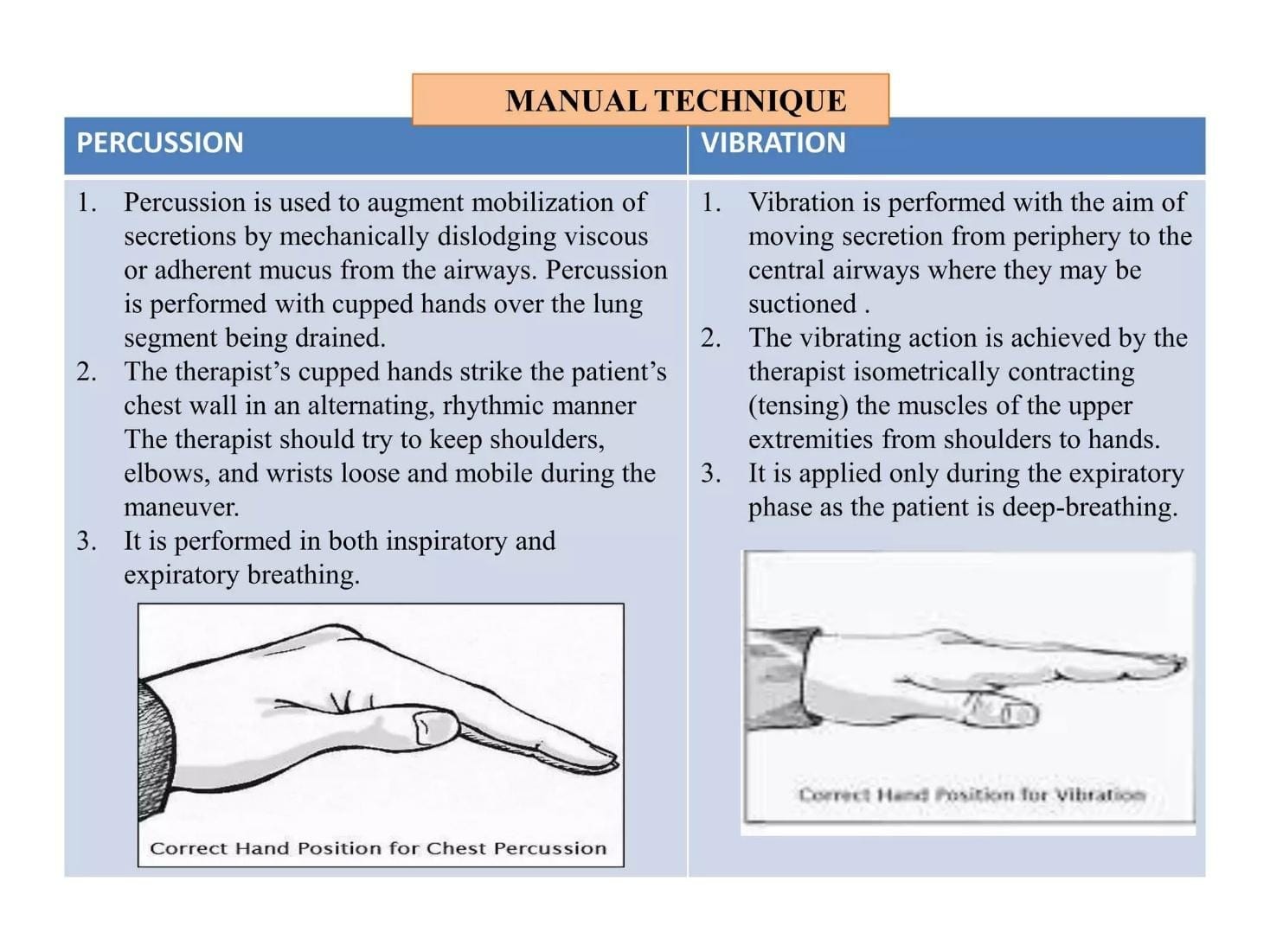
Also known as airway clearance techniques, help to get rid of mucus blocking the airways, hence the risk of inflammation and infections. Airway clearance techniques can be performed several times a day to loosen the thick mucus in the lungs, making it easier to cough up. More than one method can be used:
- Clapping with cupped hands on the front, sides, and back of the chest.
- Special breathing and coughing activities.
- Mechanical devices, such as a tube that you blow into, and a machine that pulses air into the lungs, are called a vibrating vest.
- Vigorous exercise.
PULMONARY REHABILITATION (PR)
It is a long-term, individual-specific program designed to improve your lung function and quality of life. Components of PR may include:
- Physical exercise may improve your condition.
- Breathing techniques that may help loosen mucus and make breathing easier.
- Dietary counselling
- Mental health counselling and support.
- Education about your condition.
SURGERY AND OTHER OPTIONS FOR CONDITIONS CAUSED DUE TO CF
- Nasal and sinus surgery: nasal polyp removal and sinus surgery may be done to treat repeated or long-term sinusitis.
- Oxygen therapy: supplemental oxygen can be delivered through a mask or through plastic tubing with tips that fit into your nose.
- Non-invasive ventilation: can be used typically at night through a mask or through plastic tubing with tips that fit into your nose. Non-invasive ventilation can increase air exchange in the lungs and lessen the work of breathing. The treatment may also help with airway clearance.
- Feeding tube: Extra nutrition can be delivered by a short-term tube placed through your nose and guided to your stomach. A feeding tube gives extra calories during the day or night and does not keep you from eating by mouth.
- Bowel surgery: If part of an intestine folds inside a nearby section of intestine, causing a blockage, you may need surgery.
- Lung transplant: if all other treatments have failed to get the desired outcomes. Cystic fibrosis does not recur in transplanted lungs. But other complications linked with CF, such as sinus infections, diabetes, pancreatic conditions, and osteoporosis, can still happen after a lung transplant.
- Liver transplant: For severe CF-related liver disease, such as cirrhosis,a liver transplant may be an option. Rarely, a liver transplant may be done together with lung or pancreas transplants. [4]