
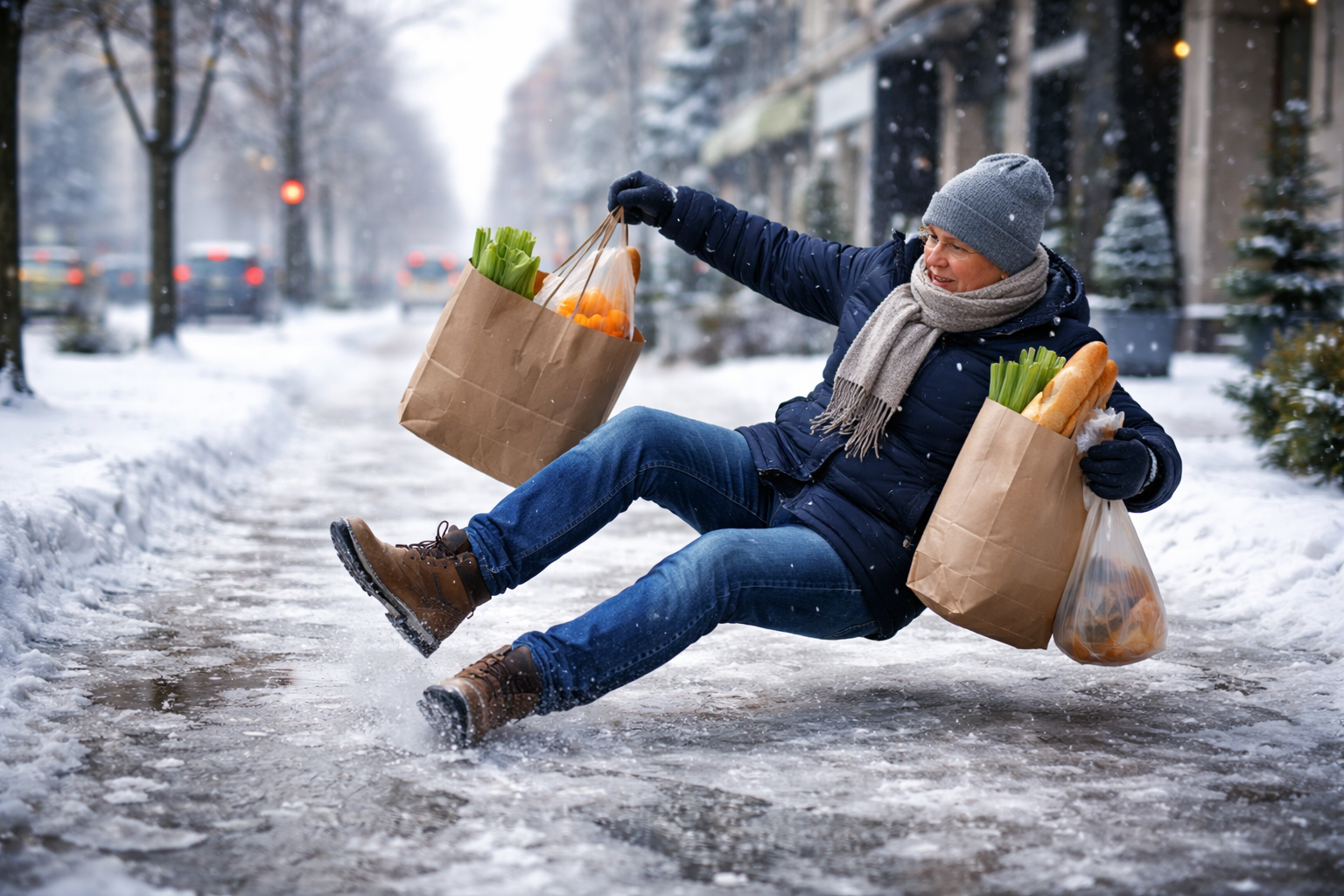
Winter Storm Safety Guide: How to Prevent Slips, Falls, and Serious Injuries on Icy Streets
Winter storms bring snow, freezing rain, and bitter cold, but the real danger often comes after the storm has passed. Sidewalks may look clear, roads may appear wet instead of frozen, and parking lots may seem safe at first glance. In reality, these conditions can hide one of winter’s most dangerous threats: invisible ice.
Every year, thousands of people are injured after slipping on icy surfaces. These accidents can happen in seconds and often lead to broken bones, head injuries, or long recovery periods. According to orthopedic experts, many of these injuries are preventable with awareness, preparation, and simple safety habits.
This guide explains why icy conditions after winter storms are so hazardous, who is most at risk, and what steps you can take to protect yourself and your loved ones during the coldest months of the year.
Why Ice After a Winter Storm Is So Dangerous
After snowplows and salt trucks have done their work, many people assume the danger has passed. Unfortunately, ice can linger long after the snow melts. This hidden ice often forms in shaded areas, near curbs, between parked cars, and on stairways where sunlight does not reach.
Black ice is especially dangerous because it looks like wet pavement rather than frozen ground. People step confidently onto what appears to be a harmless surface, only to lose their footing instantly. These sudden falls leave little time to react or brace for impact.
Orthopedic trauma specialists warn that falls on ice are not minor accidents. Even a short slip can result in severe injuries, particularly when the body twists or lands awkwardly.
Common Injuries Caused by Winter Falls
Slips and falls on icy surfaces can lead to a wide range of injuries. Some are painful but manageable, while others can be life changing.
Common injuries include:
- Wrist and arm fractures from trying to break a fall
- Hip fractures, especially in older adults
- Knee and ankle injuries
- Back and spinal injuries
- Head injuries and concussions
Hip fractures are among the most serious outcomes of winter falls. Recovery can take months and may involve surgery, physical therapy, and long term mobility challenges. For older adults, a fall can also lead to a loss of independence.
Who Is Most at Risk of Slipping on Ice
Anyone can slip on ice, but certain groups face a higher risk of serious injury.
Older adults are particularly vulnerable due to reduced balance, slower reflexes, and weaker bones. People with vision problems or mobility limitations are also at increased risk.
Individuals taking certain medications should be extra cautious. Some allergy medicines, cold remedies, and painkillers can cause dizziness, drowsiness, or delayed reaction time. These side effects make it harder to maintain balance on slippery surfaces.
People in a hurry are another high risk group. Rushing to work, school, or appointments often leads to poor footing choices and reduced awareness of surroundings.
Choosing the Right Footwear for Icy Conditions
One of the simplest ways to reduce your risk of falling is to wear appropriate footwear during winter weather.
Shoes and boots with rubber or neoprene soles provide better traction on icy ground. Deep tread patterns can also help grip slippery surfaces.
Footwear to avoid includes:
- Smooth leather soles
- Plastic soles
- High heels
- Shoes with worn down treads
If you live in an area with frequent ice, consider using removable traction devices that attach to the bottom of shoes. These products can provide extra grip when walking on ice covered sidewalks and parking lots.
How to Walk Safely on Ice
Even with proper footwear, walking technique matters when navigating icy ground.
Experts recommend taking short steps and walking slowly. Shuffling your feet instead of lifting them high helps keep your center of gravity stable. Keeping your hands free allows you to use them for balance if needed.
Always watch where you are going and scan the ground ahead for shiny or wet looking areas. Stick to cleared walkways whenever possible and avoid shortcuts over snowbanks or icy patches.
When using stairs, hold handrails firmly and take each step carefully. If a stairway looks icy and unsafe, look for an alternative route.
Simple Tips to Reduce Fall Risk Outdoors
In addition to walking carefully, small habits can significantly lower your risk of injury.
Helpful tips include:
- Keep scarves tucked in so they do not obstruct vision
- Make sure hats do not block peripheral sight
- Avoid carrying too many bags at once
- Use a cane or walking stick for added stability if needed
- Be cautious when getting in and out of vehicles
Car entrances and exits are common places for falls because ice can accumulate near doors and tires. Always test the ground with one foot before putting full weight down.
Staying Safe at Home After a Winter Storm
The risk of slipping does not end once you reach your home. Driveways, walkways, and outdoor steps can remain icy for days.
To make your home safer:
- Clear snow and ice from walkways promptly
- Spread sand, salt, or cat litter to improve traction
- Install sturdy handrails on outdoor steps
- Remove tools, toys, and clutter from walkways
- Ensure outdoor lighting is adequate for visibility
Inside the home, remove wet shoes immediately and dry floors to prevent slipping. Mats near entrances can help absorb moisture and reduce hazards.
Why Slowing Down Can Save You from Injury
One of the most important safety strategies during winter weather is simply slowing down. Many falls occur because people underestimate how dangerous icy conditions can be.
A single fall can lead to weeks or months of pain, lost work, and medical bills. Taking a few extra minutes to walk carefully, choose safe routes, and stay alert can prevent a trip to the emergency room.
Orthopedic specialists emphasize that falls are not just accidents. They are often the result of preventable risks combined with rushed behavior.
Long Term Consequences of Winter Falls
While some injuries heal quickly, others have lasting effects. A broken bone can reduce mobility and strength, especially in older adults. Fear of falling again may lead people to limit activity, which can cause muscle weakness and further increase fall risk.
Head injuries can also have long term consequences, including memory problems, headaches, and balance issues. These effects may not appear immediately and can impact quality of life for years.
Preventing falls is not only about avoiding pain in the moment. It is about protecting long term health and independence.
Preparing for the Next Winter Storm
Preparation is key to winter safety. Before storms hit, make sure you have proper footwear, ice melt supplies, and adequate lighting around your home. Check weather forecasts regularly and plan extra time for travel after storms.
Employers, property managers, and communities also play a role by maintaining walkways and parking areas. However, personal awareness remains the most reliable defense against winter injuries.
Final Thoughts on Winter Safety
Icy streets and sidewalks may look harmless, but they pose a serious risk to people of all ages. Hidden ice, poor footwear, rushing, and lack of awareness combine to create dangerous conditions after winter storms.
By choosing proper shoes, walking carefully, maintaining your home environment, and slowing down, you can significantly reduce your risk of slipping and falling. These small actions can prevent injuries that might otherwise disrupt your health and daily life.
Winter weather is unavoidable, but serious falls do not have to be.
Source
Hospital for Special Surgery, news release, January 26, 2026
Disclaimer
This article is for informational and educational purposes only and does not provide medical advice. Information presented reflects general safety guidance and may not apply to individual circumstances. Always consult a qualified healthcare professional for personalized medical advice, diagnosis, or treatment.