
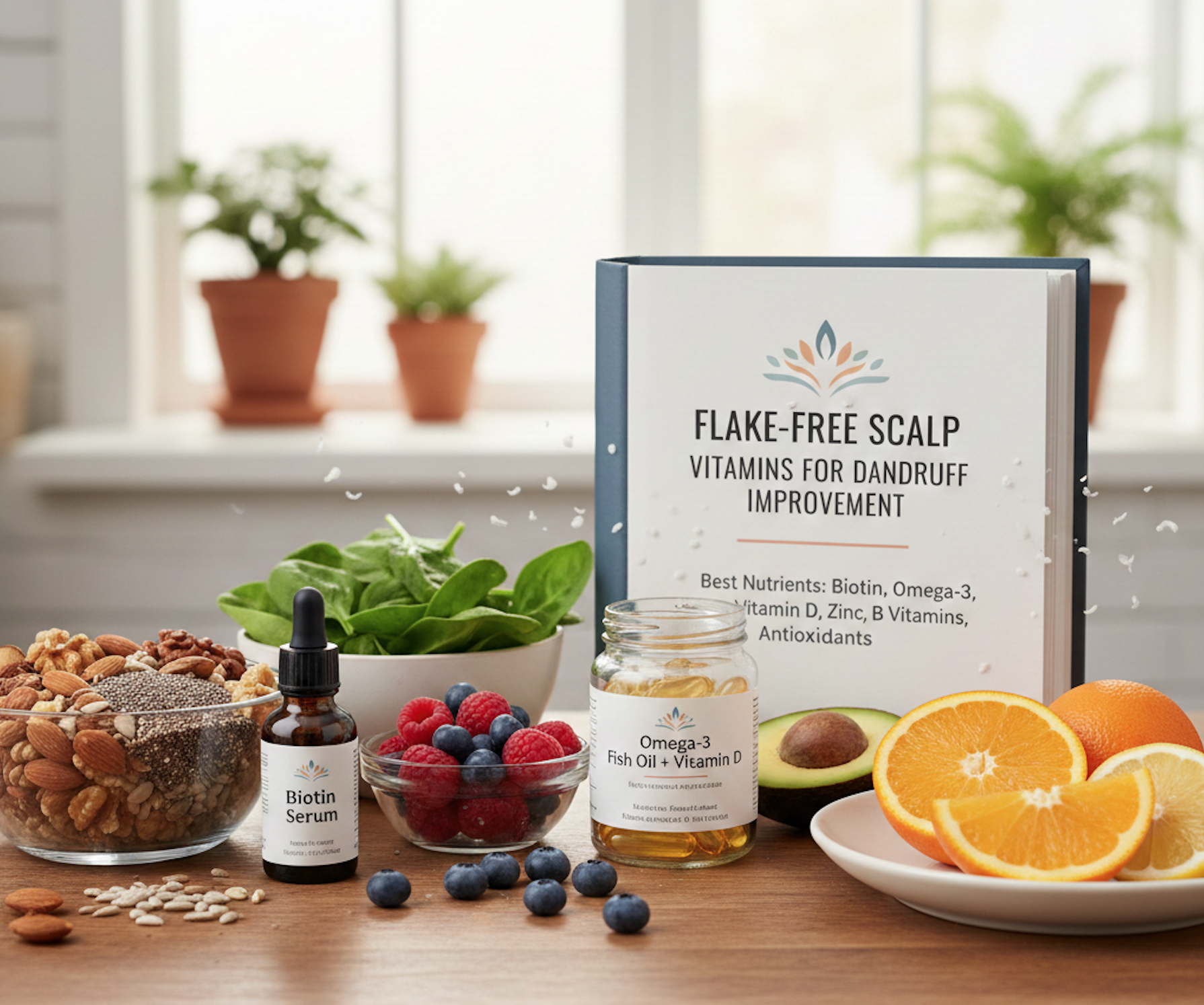
Vitamins for Dandruff Improvement: Best Nutrients for a Healthy, Flake-Free Scalp
Best Vitamins for Dandruff Improvement | Comprehensive Scalp Nutrition Guide
Discover the most effective vitamins for dandruff improvement. Learn how nutrient deficiencies affect scalp health, what foods and supplements to take, and long-term strategies to reduce dandruff naturally.
vitamins for dandruff improvement, dandruff vitamins, scalp health vitamins, vitamin deficiency dandruff, best vitamins for dandruff
Introduction
Dandruff is a common scalp condition that affects millions of people globally. Visible flakes, itching, and irritation can be frustrating, impacting both appearance and self-confidence. Many rely solely on medicated shampoos to control symptoms, yet this approach often addresses only the surface of the problem. Long-term dandruff improvement requires understanding the underlying factors, one of which is nutrition. Vitamin deficiencies are frequently overlooked contributors to chronic dandruff. Without proper nutrients, the scalp cannot maintain its natural barrier, regulate oil production, or control inflammation. This comprehensive guide explores the most effective vitamins for dandruff improvement, how they benefit scalp health, and how to incorporate them into a daily routine for lasting results.
Understanding Dandruff and Its Causes
Dandruff is caused by accelerated skin cell turnover on the scalp. Normally, skin cells regenerate and shed in a controlled manner. When this process speeds up or becomes irregular, flakes appear. Several factors can trigger this imbalance:
- Fungal overgrowth: Malassezia, a naturally occurring yeast on the scalp, can multiply excessively, causing inflammation and flaking.
- Excess oil production: Overactive sebaceous glands contribute to oily scalp conditions, promoting flake formation.
- Dry scalp: Insufficient hydration or harsh hair products can dry out the scalp, leading to visible flakes.
- Nutritional deficiencies: Lack of vitamins can weaken the scalp barrier, reduce circulation, and impair healing.
- Stress and hormonal changes: These can alter oil production and immune response, exacerbating dandruff.
Addressing nutrient deficiencies is a proactive strategy for scalp balance and long-term dandruff reduction.
Why Vitamins Are Crucial for Scalp Health
The scalp is a living layer of skin, requiring proper nutrients to regulate cell turnover, sebum production, immune defense, and hydration. Vitamins support collagen formation, reduce oxidative stress, and improve circulation. When vitamin levels are insufficient, the scalp becomes more susceptible to irritation, inflammation, and fungal imbalance. Vitamins act internally to complement external treatments such as anti-dandruff shampoos or topical ointments. Understanding the role of vitamins can guide both dietary choices and supplementation for optimal scalp health.
Best Vitamins for Dandruff Improvement
Vitamin A: The Scalp Protector
Vitamin A is essential for maintaining healthy skin cells and regulating oil production. It supports proper cell differentiation and ensures that the scalp's outer layer remains resilient and hydrated.
Benefits for dandruff:
- Supports scalp hydration
- Regulates skin cell turnover
- Strengthens the scalp barrier
Food sources: Carrots, sweet potatoes, spinach, kale, egg yolks, liver
Notes: Excessive vitamin A intake can lead to increased oiliness or hair shedding, so balance is crucial.
Vitamin B Complex: The Oil Regulators
B vitamins are closely associated with skin and hair health. Deficiencies in certain B vitamins often present as flaky, itchy, or inflamed scalp.
Key B vitamins for dandruff:
- B2 (Riboflavin): Supports skin hydration and reduces dryness.
- B3 (Niacin): Improves blood circulation to the scalp and reduces inflammation.
- B6 (Pyridoxine): Helps regulate hormonal activity and oil production.
- B7 (Biotin): Essential for keratin synthesis, strengthening hair and scalp structure.
- B12: Supports overall skin and hair health by maintaining red blood cells that nourish scalp tissue.
Food sources: Whole grains, eggs, nuts, seeds, legumes, leafy green vegetables, bananas
Benefits for dandruff:
- Reduces flaking and irritation
- Maintains healthy oil balance
- Strengthens hair and scalp tissue
Vitamin C: The Healing Antioxidant
Vitamin C is a potent antioxidant that neutralizes free radicals and promotes collagen production. Healthy collagen supports scalp integrity, while its antioxidant properties reduce inflammation associated with dandruff.
Benefits for dandruff:
- Repairs scalp tissue
- Reduces oxidative stress
- Enhances iron absorption, improving scalp circulation
Food sources: Citrus fruits, strawberries, bell peppers, kiwi, broccoli, tomatoes
Notes: Vitamin C works synergistically with vitamin E to enhance scalp health.
Vitamin D: The Immunity Booster
Vitamin D plays a key role in immune function and inflammation regulation. Low vitamin D levels are linked to several scalp conditions, including dandruff and seborrheic dermatitis.
Benefits for dandruff:
- Modulates immune response
- Reduces fungal overgrowth
- Supports proper skin cell turnover
Sources: Sunlight exposure, fatty fish, fortified dairy products, egg yolks
Notes: Deficiency in vitamin D can exacerbate chronic scalp inflammation, so regular monitoring is advised.
Vitamin E: The Moisture Retainer
Vitamin E supports scalp hydration, protects against oxidative damage, and improves blood flow to the scalp. It is particularly beneficial for dry or itchy scalp conditions.
Benefits for dandruff:
- Reduces dryness and itching
- Enhances scalp hydration
- Protects against environmental stressors
Food sources: Almonds, sunflower seeds, avocados, spinach, olive oil, hazelnuts
Notes: Vitamin E can be applied topically in small amounts for additional scalp nourishment.
Vitamin Comparison Table for Dandruff Improvement
| Vitamin | Key Benefit for Dandruff | Best Food Sources | Deficiency Symptoms |
|---|---|---|---|
| Vitamin A | Regulates skin turnover | Carrots, spinach | Dry, irritated scalp, flaking |
| Vitamin B Complex | Controls oil production and flakes | Eggs, whole grains, nuts | Redness, scalp inflammation, excessive flaking |
| Vitamin C | Repairs scalp tissue | Citrus fruits, bell peppers | Slow healing, sensitive scalp |
| Vitamin D | Immune modulation, fungal control | Sunlight, fatty fish | Persistent dandruff, inflammation |
| Vitamin E | Moisture retention | Nuts, seeds, avocados | Itchy, dry scalp, oxidative stress |
How to Include Vitamins for Dandruff Improvement
Through Diet
The most natural and safe way to get vitamins is through food. Including a variety of colorful fruits, vegetables, nuts, seeds, lean proteins, and fortified dairy ensures adequate intake.
Through Supplements
If dietary intake is insufficient, supplements may be necessary. Blood tests can confirm deficiencies before supplementation. Overuse of fat-soluble vitamins like A, D, and E can be harmful, so dosages should be supervised by a healthcare professional.
Topical Vitamin Application
Some vitamins, particularly E and B5 (pantothenic acid), can be applied directly to the scalp to improve hydration, reduce inflammation, and promote healing.
Lifestyle Practices to Enhance Vitamin Effectiveness
- Balanced diet: Include foods rich in vitamins A, B complex, C, D, and E
- Hydration: Adequate water intake supports scalp moisture
- Gentle hair care: Avoid harsh shampoos and chemical treatments
- Stress management: Yoga, meditation, and adequate sleep reduce flare-ups
- Regular sun exposure: Moderate sun provides natural vitamin D
- Avoid excessive sugar and processed foods: These can trigger inflammation and worsen dandruff
Common Mistakes to Avoid
- Relying solely on supplements without improving diet
- Expecting overnight results
- Ignoring underlying scalp conditions like psoriasis or eczema
- Overwashing or using aggressive hair products
- Combining multiple treatments without professional guidance
Frequently Asked Questions
Can vitamin deficiency cause dandruff
Yes. Deficiencies in B vitamins, vitamin D, and vitamin A are linked to dry scalp, excessive flaking, and inflammation.
Is biotin effective for dandruff
Biotin strengthens hair and scalp tissue and supports keratin production, which can help reduce flaking due to weakened scalp integrity.
Which vitamins work fastest for dandruff
Vitamin B complex and vitamin D show improvements when deficiencies are present, usually within 4 to 8 weeks.
Can vitamins replace medicated shampoos
Vitamins complement, but do not replace, anti-dandruff shampoos or medical treatments. A combined approach yields the best results.
Monitoring Progress
Keep a scalp diary to track changes in flaking, itching, and hair quality. Improvements usually appear after one to two months of consistent dietary and supplement interventions. If dandruff persists, consult a dermatologist for further evaluation.
Conclusion
Vitamins play a central role in dandruff improvement by nourishing the scalp from within. While not a standalone cure, addressing vitamin deficiencies can reduce flaking, itching, and irritation significantly. A combination of proper nutrition, safe supplementation, gentle hair care, and healthy lifestyle habits provides the most effective strategy for long-term dandruff control. Consistency and patience are key, as scalp regeneration takes time. By integrating the right vitamins and practices into your daily routine, it is possible to achieve a healthier, flake free scalp.
Sources
- National Institutes of Health Office of Dietary Supplements
- American Academy of Dermatology Association
- Harvard T H Chan School of Public Health
- Cleveland Clinic Health Library
Disclaimer
This content is for informational purposes only and does not replace professional medical advice. Vitamins and supplements may not be suitable for everyone. Always consult a qualified healthcare provider before making changes to your diet, supplement routine, or dandruff treatment plan.