
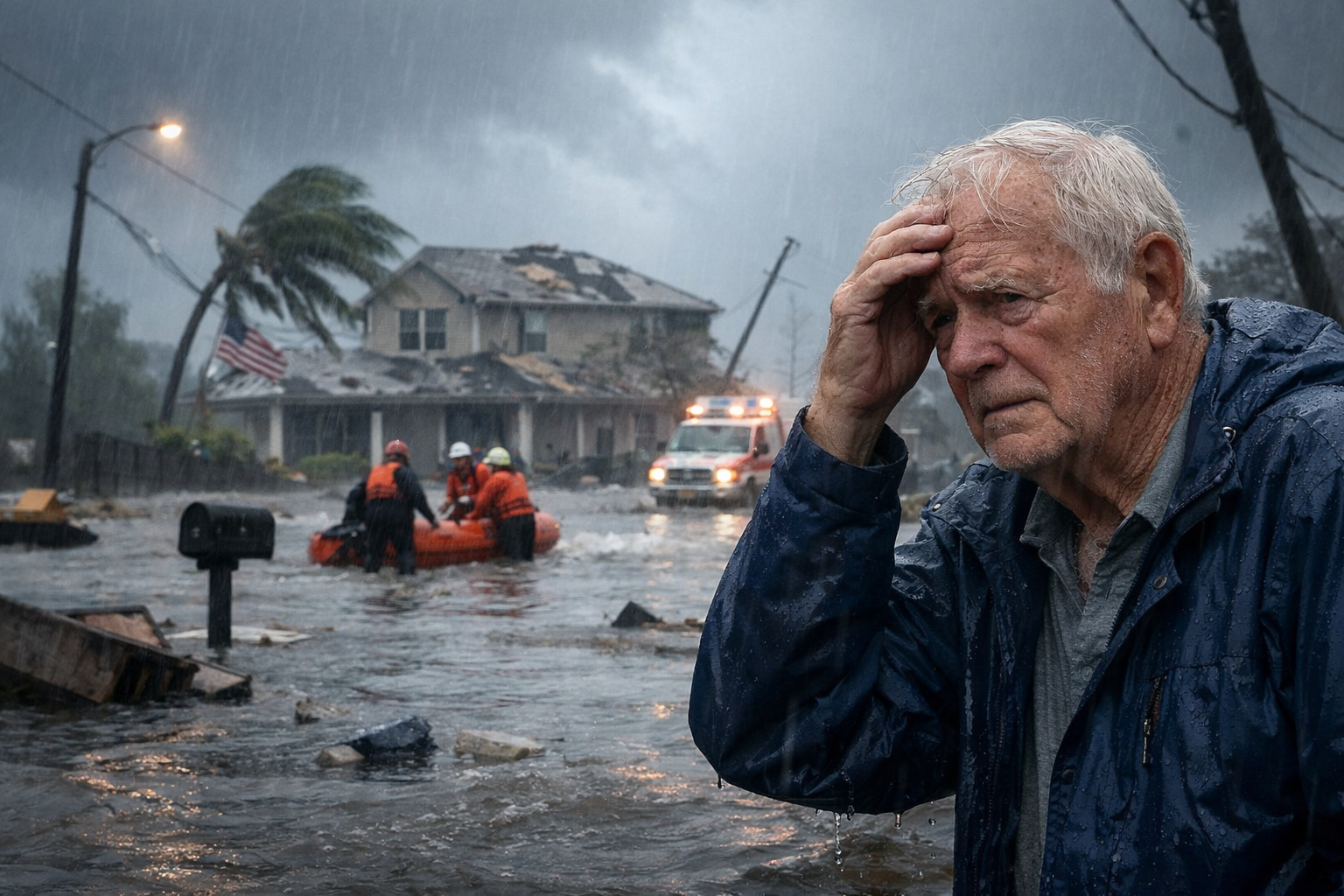
The Long Shadow of Hurricanes: Heavy Rain Linked to Higher Death Rates in Seniors
Hurricanes are among the most powerful and destructive natural storms on Earth. They bring intense wind, widespread flooding, and heavy rain to coastal and inland regions. These storms capture global attention when they make landfall and cause immediate destruction. Yet the true impact of hurricanes extends far beyond the initial storm. Recent scientific research has revealed a surprising and concerning pattern: older adults living in areas that experience extremely high rainfall from hurricanes face increased rates of death in the year after the storm. This finding highlights hidden and long‑lasting health threats that follow these powerful weather events.
In examining the connection between intense hurricane rainfall and mortality among older adults, researchers are beginning to paint a more complete picture of storm impacts. The short term physical dangers of hurricanes are well known. People risk drowning, being struck by flying debris, or suffering trauma during the storm itself. Yet new data suggests that the dangers continue long after the skies clear and the floodwater recedes.
Studies have shown that flooding related to hurricanes and other causes is linked to higher rates of death from a range of health issues, including cardiovascular disease and infectious illnesses. Analysis of U.S. death records spanning nearly two decades found that large flood events were associated with up to roughly 25 percent higher death rates for certain causes compared to typical conditions. Older adults, in particular, experienced the highest increases in injury related deaths during flooding periods. Heavy rainfall, a hallmark of hurricane impacts, was the most common factor in large flood events. The research accounted for more than 35 million death records and covered a large portion of the U.S. population. These results suggest that high storm rainfall plays a significant role in mortality trends well beyond the immediate disaster period. (ScienceDaily)
Why Older Adults Are More Vulnerable
The increased mortality risk among older adults is not entirely surprising when viewed through the lens of general population vulnerability to extreme weather. People over the age of 65 often have reduced physiological resilience compared to younger adults. Aging bodies are less able to compensate for environmental stressors and are more likely to have chronic health conditions such as heart disease, respiratory illnesses, diabetes, or weakened immune function. These conditions can make recovery from extreme stressors more difficult. In the context of a hurricane related flood, disruptions in medical care, physical stress, exposure to pathogens, or lapses in daily routines can push a vulnerable person’s health beyond a tipping point.
Research also suggests that older adults may have social vulnerabilities that increase their risk during and after severe weather events. Many older individuals live on fixed incomes, which can make it harder to pay for temporary housing, transportation, or other resources needed after a disaster. Others live alone or have limited mobility, making evacuation or recovery efforts more difficult. In some cases health care disruptions after a storm can prevent older adults from accessing regular medications or treatments, risking severe complications or increased mortality.
The Long Road to Recovery
The one‑year or longer timeline of increased mortality following hurricane rainfall points to effects that go beyond immediate disaster trauma. After heavy rain and flooding, environments often change in ways that can further stress older adults. For example, infrastructure damage to roads and bridges can make it harder to reach health care facilities. Water contamination and mold growth in flooded homes can lead to respiratory infections. Flooding can displace families and break social support networks. For older people who rely on caregivers, even short interruptions in regular care can have serious consequences.
In addition to these factors, the emotional and psychological impact of living through a major storm and its aftermath can aggravate health problems. Stress is known to have physical effects on the body, especially for people who are already ill or frail. Loss of property or familiar surroundings can lead to anxiety or depression. These emotional burdens may not be immediately obvious when reviewing storm reports, but they contribute to a broader picture of post‑disaster risk.
Evidence From Recent Research
Specific research has documented the elevated mortality risk in older adults after hurricane flooding. A 2025 analysis of mortality among older adults in regions affected by hurricane related flooding found that the adjusted risk of death for Medicare beneficiaries aged 65 or older remained significantly higher for years after the storm compared to similar older adults in non‑flooded areas. On average the mortality risk was about nine percent higher up to five years after the hurricane for people who continued living in the same flooded areas. This suggests that the effects of extreme rainfall and associated flooding can linger for years in vulnerable populations.
This research highlights that the increased risk is not only immediate but persistent. In some regions the increase was even more pronounced, indicating that location specific conditions can influence how storm impacts translate into health outcomes. The results underscore that when assessing the costs of hurricanes, looking only at immediate deaths during the storm vastly undercounts the full human toll.
Other studies have found parallel findings by linking floods from hurricanes and other causes with rises in death rates from different health causes including cardiovascular and infectious diseases. Although these studies look at population level data rather than individual patient outcomes, they suggest that heavy rainfall and flooding events create widespread health disruptions long after the water levels go down. (Frontiers)
Mechanisms Behind the Link
Understanding how high rainfall from hurricanes leads to increased mortality among older adults requires looking at several interwoven mechanisms. One key factor is that flooding can exacerbate chronic health conditions. For example respiratory diseases like chronic obstructive pulmonary disease can worsen when older adults are exposed to damp or moldy environments after flooding. Cardiovascular conditions may deteriorate because of physical stress, reduced access to health care, or interruption of medication regimens. Infectious disease risks can increase due to contaminated water or limited sanitation.
Displacement from homes can also contribute to mortality risk. An older person who must relocate to a temporary shelter may face challenges with sleep disruption, dietary changes, limited mobility, and exposure to pathogens. These conditions add stress to the immune system and can hasten decline in people with underlying health issues.
Another factor is that the broader community infrastructure often struggles in the aftermath of major storms. Power outages can limit the use of life sustaining devices like oxygen machines. Delayed access to medical appointments or therapy sessions can worsen existing diseases. Even transportation disruptions make it harder for older adults to refill prescriptions or attend follow up care.
Broader Context of Climate Change
The findings about hurricane related rainfall and mortality in older adults fit into a larger pattern of rising health risks due to climate change. As global temperatures climb, the atmosphere holds more moisture. This results in heavier rainfall during storms, increasing the likelihood of extreme precipitation events and severe flooding. Scientists expect that hurricanes and tropical storms will become more intense, with heavier rain and greater potential for flooding, as the climate continues to warm.
Flooding events more generally, not just those tied to hurricanes, have been linked to higher death rates from a range of causes. Observational research that examined flood events across broad regions of the United States found that all cause death rates and cause specific mortality including injury, cardiovascular disease, and infectious disease were elevated during and after large floods. Heavy rain was the most common trigger for large flood events in that research. These patterns provide context for understanding why hurricane rainfall could trigger similar health outcomes for older adults.
In addition climate related disasters affect mental health. Older adults who live through extreme weather events are more likely to experience anxiety about future disasters, grief over lost possessions or community disruption, and ongoing stress related to rebuilding and recovery. Psychological strain adds another layer of risk to an already vulnerable population.
Public Health and Policy Implications
Given the evidence that high hurricane rainfall correlates with increased mortality in older adults, it is important for public health systems and policymakers to reconsider how disaster response and long term care are organized. The focus on immediate life saving during a storm must expand to include long term health support, especially for at risk populations.
Post‑storm recovery plans could include targeted health monitoring for older adults who live in affected areas. Outreach by health professionals could help identify and address worsening chronic conditions before they lead to fatal outcomes. Ensuring continuity of care and access to medications in the weeks and months after storms is another critical step.
Community planning must also consider infrastructure resilience. Improving drainage systems, strengthening health care facilities, and reducing the time it takes to restore power and transportation systems can minimize the secondary health impacts of heavy rainfall events.
Cities and regions can also invest in preventive measures. Better flood forecasting and early warning systems help people prepare. Evacuation plans that take into account the needs of older adults and people with mobility challenges can reduce exposure during the storm itself. After a storm, providing assistance to replace contaminated water supplies and remediating mold in homes helps reduce respiratory health issues.
Looking Ahead
The link between high rainfall from hurricanes and higher mortality among older adults is a reminder that the full impact of natural disasters is often hidden beneath the surface. The physical damage to buildings and infrastructure is only part of the story. Hurricanes create cascading effects that reach deep into public health and wellbeing.
As research into this topic continues, it will be important to refine our understanding of the specific pathways by which flooding and heavy rain contribute to mortality risk. Better data will help guide responses that protect older adults and other vulnerable populations more effectively.
In the meantime communities can take action now to build resilience. Investing in robust health care systems, disaster preparedness tailored to the needs of older adults, and long term recovery support can save lives. As extreme weather events become more common with climate change, the value of these investments will only grow.
Ultimately the message from recent research is clear. High rainfall from hurricanes is not merely a meteorological event. It is a public health threat with consequences that can extend far beyond the storm itself. Recognizing the full scope of these impacts is essential for protecting older adults and ensuring that disasters do not continue to claim lives long after the storm has passed.