
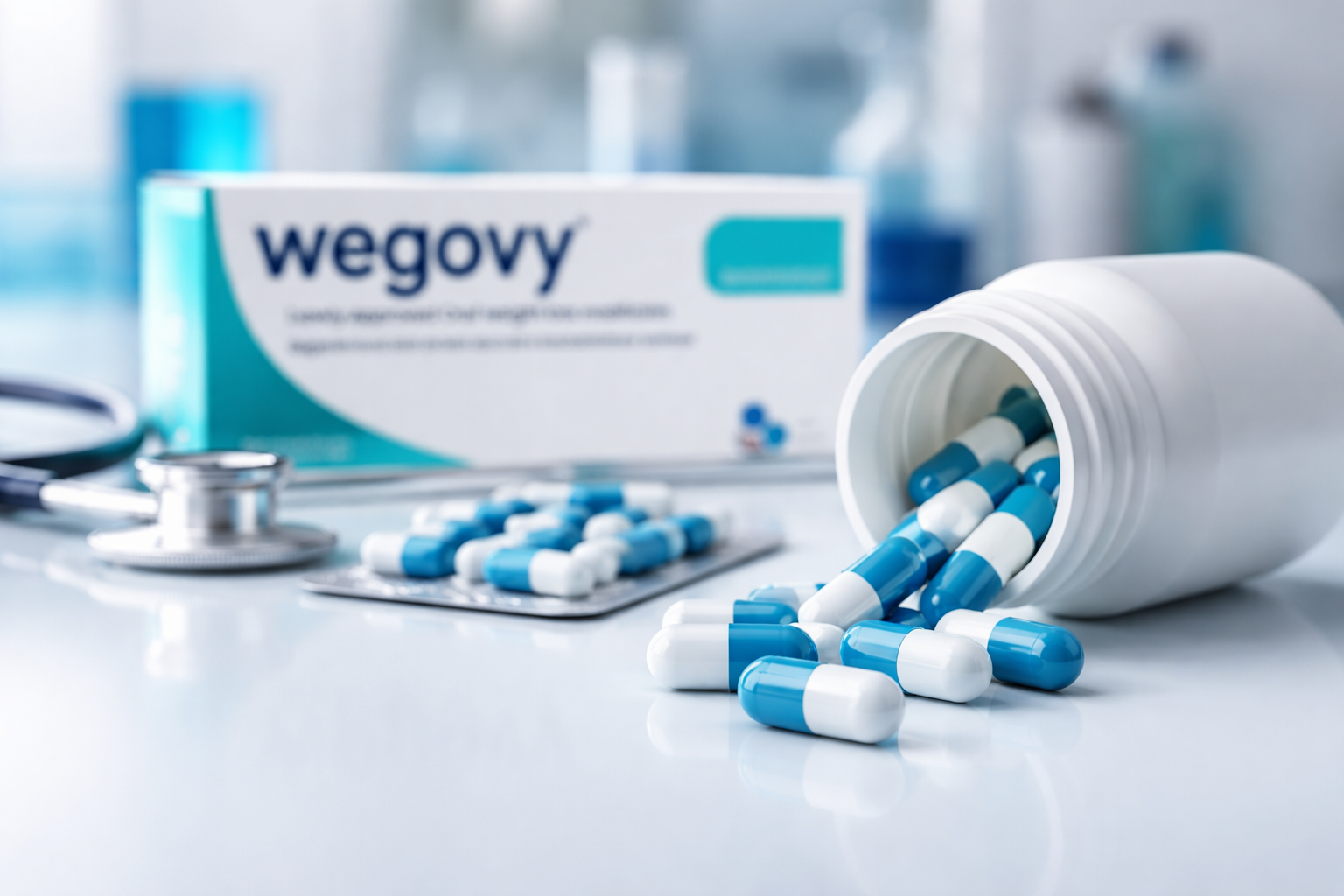
The FDA Approves Wegovy Pill, Introducing the First Oral GLP-1 for Adult Weight Loss
The U.S. Food and Drug Administration has approved a new weight loss pill from Novo Nordisk under the brand name Wegovy. This medication represents a major step forward in obesity treatment because it is the first oral glucagon-like peptide-1 receptor agonist approved for chronic weight management in adults. The new pill uses the same active ingredient, semaglutide, that has already helped millions of people lose weight with weekly injections. Its approval opens a new chapter in how clinicians and patients can approach long-term weight control and related health risks.
For decades, obesity has been a health challenge affecting hundreds of millions worldwide. It has been linked to serious conditions such as type 2 diabetes, heart disease, certain cancers, and reduced quality of life. Traditional strategies have relied on diet and exercise, with pharmacological tools playing an increasingly important role. The introduction of GLP-1 medications marked one of the most significant advancements in this field. These drugs mimic a hormone that the body naturally produces after eating. This hormone helps regulate appetite and blood sugar levels. Although effective, most GLP-1 medicines have required injections. The new Wegovy pill promises to broaden access and acceptance of these powerful therapies.
What Wegovy Pill Is and How It Works
The Wegovy pill is a once-daily oral form of semaglutide that works to help adults lose weight and keep it off when used with a reduced-calorie diet and increased physical activity. It targets adults with obesity or with overweight who also have at least one weight-related medical condition. The medication functions by interacting with receptors in the brain and gut that regulate appetite, fullness, and digestion. By activating these pathways, the drug helps reduce hunger and energy intake, which can lead to significant weight loss.
Unlike injections that are administered under the skin, the Wegovy pill must be taken on an empty stomach with water and then waited at least thirty minutes before eating, drinking, or taking other medications to ensure effective absorption. Because the digestive system can interfere with its absorption, the oral dose is significantly higher than the injectable version to achieve similar effects.
The approval of the Wegovy pill was based on strong clinical evidence, particularly from the Phase III “OASIS 4” trial. In this study, participants taking the highest approved oral dose of 25 milligrams experienced an average weight loss of more than sixteen percent when combined with lifestyle changes over 64 weeks. In contrast, individuals taking a placebo saw minimal weight loss. One in three patients taking the pill lost twenty percent or more of their body weight. These results compare favorably with injectable versions of semaglutide that have transformed obesity treatment in recent years.
Why This Approval Matters
The significance of the FDA’s approval cannot be overstated. For patients, a daily pill may be more appealing and accessible than weekly injections. Many individuals are hesitant to use injectable medications due to fear of needles, inconvenience, or the need for refrigeration. The oral form reduces these barriers, offering a more familiar and potentially more acceptable way to take medication. This in turn may encourage more people to seek medical help for weight loss.
Healthcare professionals now have a new tool to tailor treatment plans to patient preferences. This is especially important because sustained, effective weight management often requires long-term strategies and ongoing patient engagement. A pill could fit more easily into daily routines and support better adherence. As a result, clinicians may find it easier to help patients reach and maintain their weight goals.
In addition to weight loss, the FDA’s approval includes indications for reducing the risk of major adverse cardiovascular events such as heart attack and stroke in adults with known heart disease and obesity or overweight. Obesity is strongly linked to cardiovascular risk, so a treatment that helps with weight loss while also lowering the chance of serious heart problems could have profound public health implications.
Broader Impacts on Health Care and Markets
The approval of the Wegovy pill may also have broader ripple effects across the health care landscape. Obesity is not only a medical issue but also a societal and economic challenge. High rates of obesity drive up healthcare costs through increased incidence of diabetes, hypertension, cardiovascular disease, and many other conditions. More effective and accessible treatments like the Wegovy pill could reduce long-term health expenditures and improve overall population health.
The approval also arrives at a time of fierce competition in the weight-loss medication market. Novo Nordisk has dominated this space with its injectable products, but other companies are developing their own oral options, such as Eli Lilly’s orforglipron, which is still under review. Greater competition may drive innovation and potentially lower costs, increasing access over time.
Beyond the pharmaceutical industry, experts predict that increased use of weight-loss medications could influence other sectors such as the food industry. As more people experience appetite suppression and lifestyle changes, consumer demand for certain foods and dining experiences could shift toward healthier options. Some companies are already exploring “GLP-1 friendly” products and labeling strategies that align with these changing preferences.
Access, Cost, and Real-World Considerations
One of the common concerns about new weight-loss drugs has been cost and access. Injectable GLP-1 drugs have been expensive for many patients, particularly those without comprehensive insurance coverage. The Wegovy pill will be available with a starting price for self-pay patients around $149 per month for lower doses. For those with insurance, out-of-pocket costs could be significantly lower with coverage and savings programs. Programs announced by Novo Nordisk may reduce costs for eligible patients even further.
Despite these efforts, questions remain about long-term affordability, insurance coverage, and equitable access. Obesity disproportionately affects underserved populations, and medications like this will need to be accessible to those who need them most to truly make a public health impact. Advocacy groups and policymakers are likely to continue discussions about how to ensure broad and fair access to innovative weight-loss treatments.
Real-world effectiveness also depends on factors beyond the medication itself. Obesity is a complex chronic condition influenced by genetics, environment, behavior, and socio-economic circumstances. Medication can be a powerful tool, but it is most effective when paired with healthy lifestyle changes, behavioral support, and long-term commitment to diet and activity adjustments. Clinicians will need to provide comprehensive guidance to help patients integrate the pill into holistic weight management plans.
Safety and Side Effects
As with any medication, safety and side effects are important considerations. The Wegovy pill’s safety profile appears similar to that of injectable semaglutide, with gastrointestinal side effects such as nausea, diarrhea, and vomiting being among the most common. These effects are generally mild to moderate but can influence patient comfort and adherence, especially in the early weeks of treatment.
Healthcare professionals will monitor patients closely, especially during dose escalation and early use. Side effects often diminish over time as the body adjusts. Patients should communicate openly with their doctors about any discomfort or concerns. It is also crucial that patients follow prescribed dosing instructions, particularly regarding taking the pill on an empty stomach for optimal absorption.
Looking Ahead
The approval of the Wegovy pill is a promising development in the fight against obesity and related health risks. It broadens treatment options and makes powerful GLP-1 therapy more accessible to people who may have been hesitant or unable to use injections. The new approval also reflects ongoing advances in chronic disease management and personalized medicine.
As the medication becomes available in early 2026, clinicians, patients, and the wider healthcare community will gain valuable insights into how the pill performs outside of clinical trials. Real-world data will shed light on its long-term effectiveness, patient adherence, and impact on quality of life. The experiences of early adopters will help shape future clinical guidelines and patient education efforts.
Research continues into other oral weight-loss medications and combination therapies that might further expand options. Innovations in this space are rapidly evolving, with several new compounds and delivery methods in development. These advances suggest that the future of obesity treatment will offer even more personalized, effective, and patient-friendly solutions.
Conclusion
The FDA’s approval of Novo Nordisk’s Wegovy pill represents a landmark achievement for weight management therapies. It combines the effectiveness of GLP-1 treatment with the convenience of a daily pill, offering a new option for adults living with obesity or overweight. Its strong clinical performance, promising safety profile, and potential to address barriers associated with injectable medications make this development noteworthy.
While challenges such as cost, access, and long-term adherence remain, this approval signals progress toward more inclusive and practical treatment approaches. As healthcare systems adapt and patients embrace new options, Wegovy could help shift the landscape of obesity care and support healthier lives for millions.