

Tennis Elbow causes, symptoms, and treatments
What is Tennis Elbow?
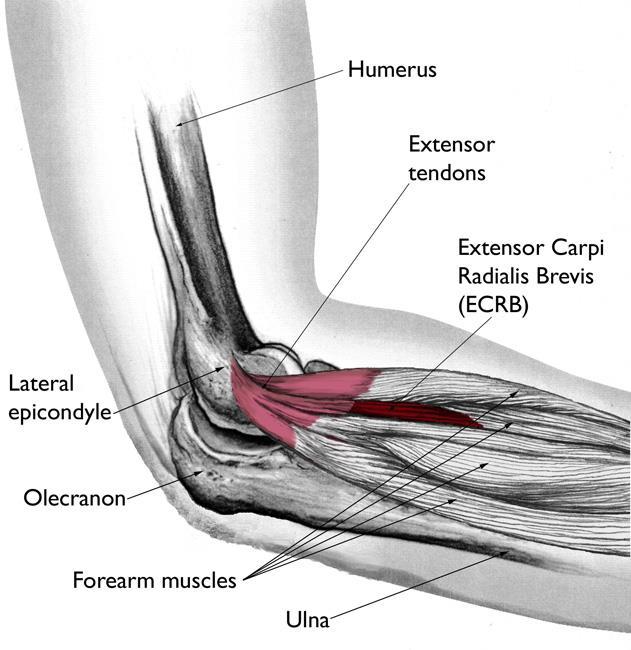
Tennis elbow or lateral epicondylitis is a condition which commonly occurs due to pain and inflammation of the extensor carpi radialis brevis tendon. It is usually diagnosed in people between ages 30-60. (https://www.hopkinsmedicine.org/health/conditions-and-diseases/lateral-epicondylitis-tennis-elbow)
What are the causes of TE?
Despite its name, most people who don`t play tennis get TE. The condition usually develops over time and is often linked to repetitive movements of the wrist and arm. People whose jobs or hobbies involve excessive and/or repetitive use and strain on the wrists and elbows such as:
- Racquetball
- Squash
- Fencing
- Weight lifting
- Carpentry
- Typing
- Painting
- Raking
- Knitting
- Musical instrument operators
- Professional cooks/chefs
- Fine artists
- Manual laborers
Tennis
What are the symptoms of TE?
The main symptom of TE is pain, tenderness and often swelling on the outer bony aspect of the elbow. Pain may radiate upwards in the arm or downwards in to the forearm and wrist. There may be a visible bump/lump on the elbow with associated redness and warmth due to swelling and inflammation of the underlying tendons. Weakness of grasp may develop after few weeks of having the symptoms either due to pain and muscle micro tears. This anatomical area is where the injured tendons insert into the bone (humerus).
Patients may experience intense symptoms while:
- Lifting objects with affected hand
- Making a fist or grasping objects
- Opening door, turning knob
- Opening jars
- Wringing wet clothes, twisting movements of forearm
- Carrying shopping bags with hands
- Working log hours on keyboards
Symptoms, if left untreated, usually worsen over time. Its is important to get the diagnosis for receiving appropriate treatment to prevent long term effects from TE.
How is TE diagnosed?
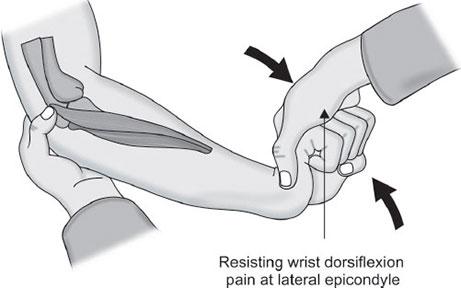
Tennis elbow is usually diagnosed during clinical examination based on patient history, symptoms and special tests viz. Cozens test and Mill`s test. In some cases, the doctor may require additional tests such as:
- An X-ray to rule out suspected fractures or arthritis in the elbow region.
- An MRI scan can show the extent of tendon damage at the lateral epicondyle. It can also help to rule out cervical spine conditions referring pain to the elbow.
- Electromyography can help to identify possible nerve involvement around the elbow.
What is the treatment of TE?
About 80-95% of TE cases can be successfully managed without surgery. Non-invasive treatments can be one ore more of below:
- Rest – taking a break from the activity that caused TE. Trying to use the unaffected arm more until condition heals.
- Ice pack application for 15 to 20 mins three to four times daily helps to reduce pain and swelling.
- Compression bandaging around the elbow helps support the joint and muscles. The therapist can demonstrate the wrapping technique.
- NSAIDs and acetaminophen helps to reduce pain and swelling temporarily. If symptoms persist for more than 10 days, the doctor can prescribe further pain-relieving medication.
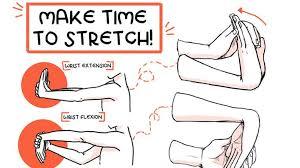
- Wrist flexion stretch
- Wrist extension stretch
- Wrist pronation stretch
- Wrist flexion strengthening
- Corticosteroids are prescribed as anti-inflammatory medication. Your doctor may use corticosteroid injection in the affected tendon for symptom relief.
- Platelet-rich plasma treatment involves injecting your own blood platelets into the affected tendon to promote healing.
- Tenotomy procedure involves needling the injured tendon with ultrasound guidance to break down and remove the damaged tissue and promote healing.
- Surgery – maybe needed if symptoms don`t improve after a year of treatment. It is either performed through a small scope inserted into the elbow (arthroscopically) or through larger incision made directly over the elbow (open surgery). Both methods are used to remove any dead tissue and to reattach healthy muscle into bone. Post-surgery, the arm maybe immobilized with a splint to allow healing which may lead to some loss of muscle strength. (https://my.clevelandclinic.org/health/diseases/7049-tennis-elbow-lateral-epicondylitis)
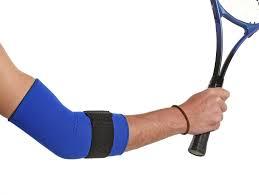
Bracing or Kinesio taping has been shown to provide symptomatic relief. The therapist can provide information and guidelines on using the brace or tape application.
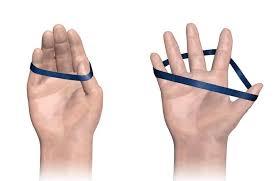
Finger extensor strengthening
Grip strengthening
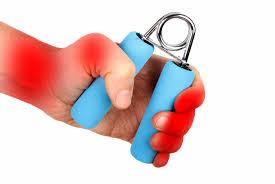
Wrist extensor strengthening
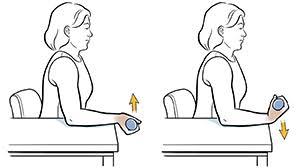
Radial deviation strengthening
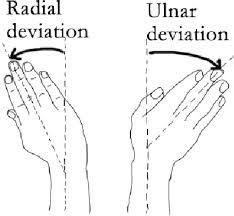
Wrist supination stretch
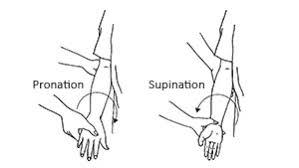
Physical therapy – Research supports use of ultrasound therapy, laser therapy, shock-wave therapy, soft tissue and joint mobilizations in the treatment of TE. Progressive stretch and strengthening exercises for the elbow and wrist are key to long-term recovery. (https://www.ncbi.nlm.nih.gov/pmc/articles/PMC10674892/)
Can we prevent TE?
The best way to prevent TE is to avoid overusing the arm and elbow. During activities that indicate over-use:
- Wear the right protective equipment
- Don`t “play through pain” during or after the activity
- Give your body time to recover after intense activity
- Stretch and warm up before playing sports or work-out
- Cool down and stretch after physical activity
- Do sport-specific exercises or exercises that keep your body healthy for your sports, hobbies or job.