
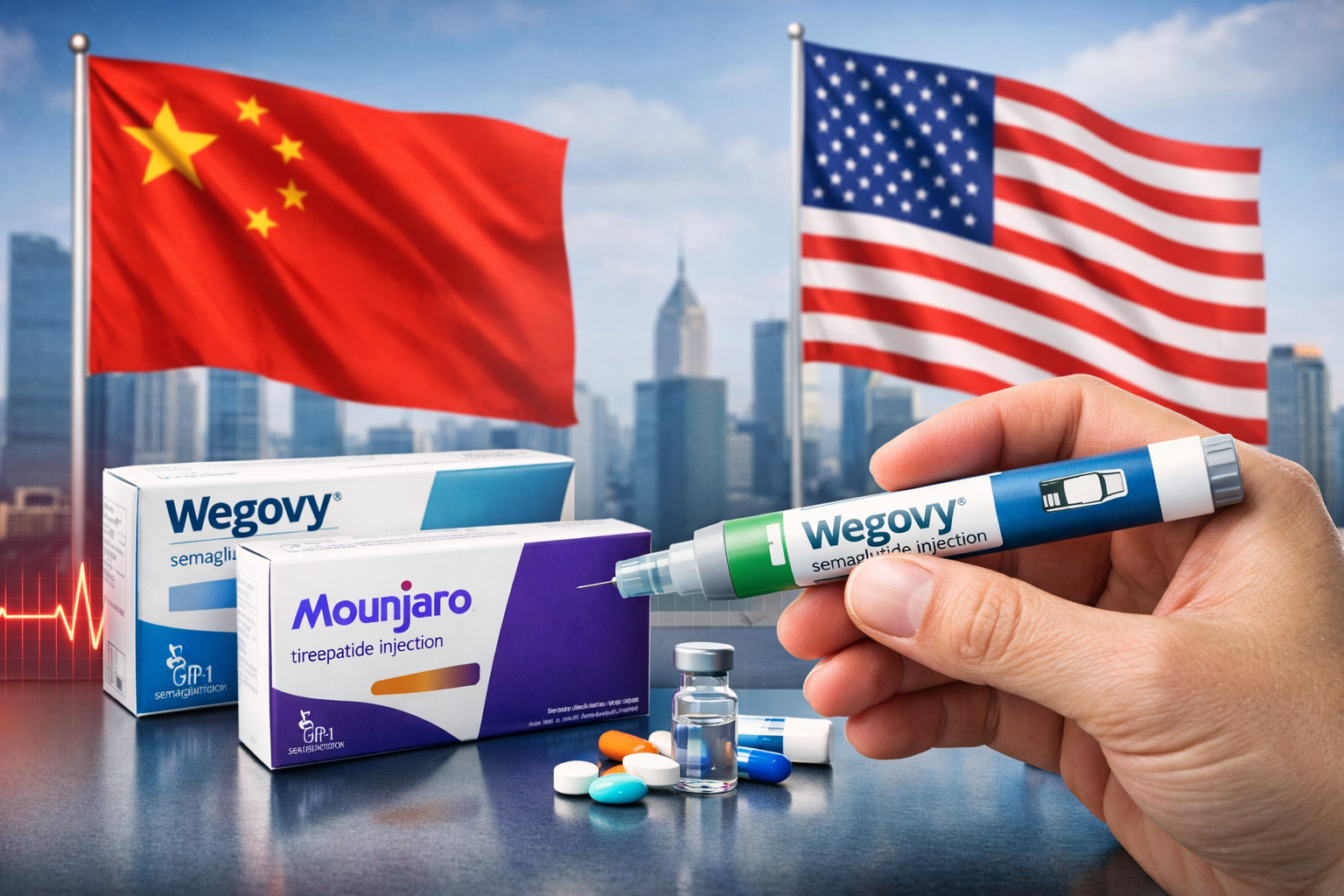
Novo Nordisk and Eli Lilly Shift GLP-1 Strategy Abroad: What It Means for U.S. Drug Pricing
The global pharmaceutical landscape is experiencing a major shift in the pricing of GLP-1 drugs, a class of medications primarily used for weight management and metabolic health. Recently, Novo Nordisk announced a significant reduction in the price of its popular weight-loss drug Wegovy in select Chinese provinces, with some areas seeing reductions of up to 48 percent. Eli Lilly is following suit, offering its own GLP-1 therapy, Mounjaro, at lower prices starting January 1, 2026. While these moves are taking place abroad, they have profound implications for the U.S. market, signaling potential changes in drug affordability, coverage, and overall access.
Understanding GLP-1 Medications
GLP-1, or glucagon-like peptide-1 receptor agonists, are a class of injectable medications that have been widely prescribed for the treatment of obesity and type 2 diabetes. Drugs such as Novo Nordisk’s Wegovy and Eli Lilly’s Mounjaro have gained widespread attention for their effectiveness in weight management and metabolic health improvement. These medications work by mimicking the GLP-1 hormone, which helps regulate appetite, insulin secretion, and blood sugar levels.
In the United States, GLP-1 drugs have become notoriously expensive. Many consumers face monthly costs exceeding $1,000, creating significant barriers to access despite the growing prevalence of obesity and metabolic conditions. However, recent international developments suggest that U.S. pricing may not remain in this high-cost range indefinitely.
Why Price Reductions in China Matter
China represents one of the fastest-growing markets for obesity and weight management drugs. Estimates suggest that by 2030, over 65 percent of the Chinese population could be overweight or obese. This makes it an attractive market for pharmaceutical companies seeking growth beyond the U.S.
By lowering prices in China, Novo Nordisk and Eli Lilly are not just offering relief to patients but are strategically positioning themselves to capture a larger market share in a highly competitive environment. Reduced pricing in China creates a global benchmark that other countries, including the United States, may use as leverage in negotiations over drug prices.
According to Reuters, the price of Wegovy in some Chinese provinces has been reduced by nearly half, making it more accessible to a broader population. Similarly, Mounjaro’s new pricing will make the medication significantly more affordable in these markets.
These reductions are not charity; they are strategic. By adjusting prices abroad, these pharmaceutical giants are signaling to global regulators, insurers, and payers that competitive pricing is both achievable and necessary.
The Subtle Shift in U.S. Pricing
While U.S. consumers have not seen dramatic price drops at the pharmacy counter, subtle changes are already underway. Both Novo Nordisk and Eli Lilly have launched direct-to-consumer programs that allow cash-paying patients to access their medications at lower rates.
For instance, NovoCare Pharmacy sells Wegovy for $349 per month for cash payments, with introductory offers reducing the price to $199 per month. LillyDirect offers Zepbound, a brand of tirzepatide like Mounjaro, for as low as $299 per month for eligible self-paying patients. These programs indicate that pharmaceutical companies are preparing for a market in which price competition will become increasingly significant.
The implications for U.S. consumers are clear. Even though the full benefits of international price reductions have yet to reach U.S. pharmacies, the groundwork is being laid for more affordable options in the near future.
Regulatory Influence on U.S. Drug Pricing
One of the most significant factors affecting GLP-1 pricing in the United States is the evolving regulatory landscape. The Centers for Medicare & Medicaid Services (CMS) recently introduced “maximum fair prices” for critical medications, including semaglutide-based drugs such as Wegovy, Ozempic, and Rybelsus.
These maximum fair prices, set to take effect in January 2027, establish reference points for insurers, pharmacy benefit managers, and government programs. CMS has determined a maximum fair price of $274 for a 30-day supply of these drugs, substantially lower than current retail prices approaching $950 per month. While this does not immediately reduce out-of-pocket costs for all consumers, it provides a benchmark that could influence broader negotiations and lead to more affordable pricing across the board.
In addition to CMS price mandates, the FDA has expanded indications for Wegovy. In March 2024, the agency approved the drug to help lower the risk of serious cardiovascular events in overweight individuals with heart disease. This shift removes Wegovy from the “lifestyle medication” category and positions it as a critical medical therapy, making it more likely for insurance coverage to expand, including employer plans and state Medicaid programs.
Implications for Insurers and Employers
As GLP-1 drugs gain broader approval and lower-cost options emerge, insurers and employers may see opportunities to improve access for their members and employees. Employer-sponsored health plans are likely to negotiate better prices with manufacturers, particularly as the CMS pricing benchmarks set expectations for the market.
In addition, cash-pay programs directly offered by Novo Nordisk and Eli Lilly create new pathways for patients who may not have comprehensive insurance coverage. This dual approach ensures that more individuals can access effective weight management medications, potentially reducing long-term healthcare costs associated with obesity-related diseases.
Global Benchmarks and U.S. Pricing Pressure
The reduction of GLP-1 prices in China and other international markets creates a precedent that U.S. policymakers and payers may use to pressure pharmaceutical companies. While the U.S. market has traditionally tolerated high prices, global trends indicate that drug companies are willing to adapt to competitive pricing environments when necessary.
By offering substantial discounts in a massive market like China, Novo Nordisk and Eli Lilly demonstrate that their profit margins can be maintained even with lower prices. U.S. legislators, patient advocacy groups, and large insurers may increasingly leverage these international benchmarks to argue for lower domestic pricing.
This dynamic suggests a potential tectonic shift in U.S. obesity drug pricing. While prices will not mirror China overnight, the assumption that GLP-1 therapies will remain in the $1,000-plus range indefinitely is being challenged.
Broader Implications for the Obesity Drug Market
The changes in GLP-1 pricing have ripple effects across the obesity drug market. Competitors and new entrants will need to consider international price trends when setting U.S. launch prices. Lower costs abroad also increase the likelihood of expanded access programs, encouraging more patients to seek treatment earlier in the course of their disease.
Moreover, the reclassification of drugs like Wegovy as cardiovascular therapies enhances their medical credibility. This shift can drive insurance coverage, increase patient uptake, and ultimately create a more competitive market that benefits consumers.
The Role of Direct-to-Consumer Programs
Direct-to-consumer programs, such as NovoCare and LillyDirect, are a crucial component of the evolving GLP-1 landscape. By bypassing traditional pharmacy networks and offering lower prices for cash payments, these programs provide an immediate way for patients to access life-changing medications without waiting for broader insurance adjustments.
These initiatives also signal to the market that pharmaceutical companies recognize the growing demand for price transparency and accessibility. Companies are increasingly acknowledging that affordability and patient access are critical for long-term market sustainability.
Potential Challenges and Considerations
While the global price reductions and regulatory changes are promising, several challenges remain.
- Market Fragmentation: Not all patients will have access to cash-pay programs or insurance coverage. Access disparities may persist for vulnerable populations, particularly in areas with limited healthcare infrastructure.
- Physician Adoption: Despite lower prices, some physicians may be cautious in prescribing GLP-1 therapies due to concerns about long-term effects, insurance coverage complexity, or patient adherence.
- Supply Chain and Demand Management: Increased demand resulting from lower prices may strain supply chains, potentially leading to temporary shortages or delayed access.
- International Influence: While China’s pricing sets a global benchmark, differences in regulatory frameworks, healthcare systems, and consumer behavior may limit the immediate transferability of these reductions to the U.S. market.
Nonetheless, these challenges are not insurmountable. The combination of regulatory oversight, global pricing trends, and direct-to-consumer programs positions the U.S. market for a gradual but meaningful shift toward more accessible obesity and metabolic therapies.
Looking Ahead: Key Trends to Watch
Several developments are likely to shape the GLP-1 market in the next two years:
- Further Price Adjustments: Companies may continue experimenting with international and domestic pricing strategies to balance profitability with accessibility.
- Expanded Insurance Coverage: As GLP-1 drugs gain medical credibility for cardiovascular and metabolic health, more insurers may provide coverage, including Medicare Advantage and state Medicaid programs.
- Legislative Pressure: Policymakers may increasingly use international benchmarks to negotiate lower prices and expand patient access.
- Market Competition: New entrants and generics may enter the market, further driving price competition and improving affordability.
- Public Awareness: Increased education about the health benefits of GLP-1 therapies may drive demand, incentivizing companies to maintain or reduce prices to capture market share.
Conclusion
The recent actions by Novo Nordisk and Eli Lilly to reduce GLP-1 drug prices in international markets mark a turning point in the global obesity treatment landscape. While U.S. consumers may not immediately see the same reductions, the changes abroad signal a broader shift toward affordability, accessibility, and medical legitimacy for these critical therapies.
With the combined influence of regulatory changes, direct-to-consumer programs, and international price benchmarks, the U.S. market is poised for a new era in GLP-1 therapy pricing. Patients, insurers, and policymakers should be prepared for more options, lower costs, and increased access in the coming years. The era of $1,000-per-month GLP-1 therapies may be slowly but steadily coming to an end.
Sources
- Reuters. “Novo Nordisk reduces price of Wegovy in China by up to 48 percent.” 2026.
- South China Morning Post. “Obesity projections in China.” 2025.
- Centers for Medicare & Medicaid Services. “Maximum fair prices for semaglutide-based medications.” 2025.
- U.S. Food and Drug Administration. “FDA approves Wegovy for cardiovascular risk reduction.” 2024.
Disclaimer
This blog is for informational purposes only and does not constitute medical, financial, or legal advice. Individuals should consult qualified professionals for guidance specific to their personal circumstances. Pharmaceutical pricing and availability are subject to change and may vary by location, insurance coverage, and regulatory updates.