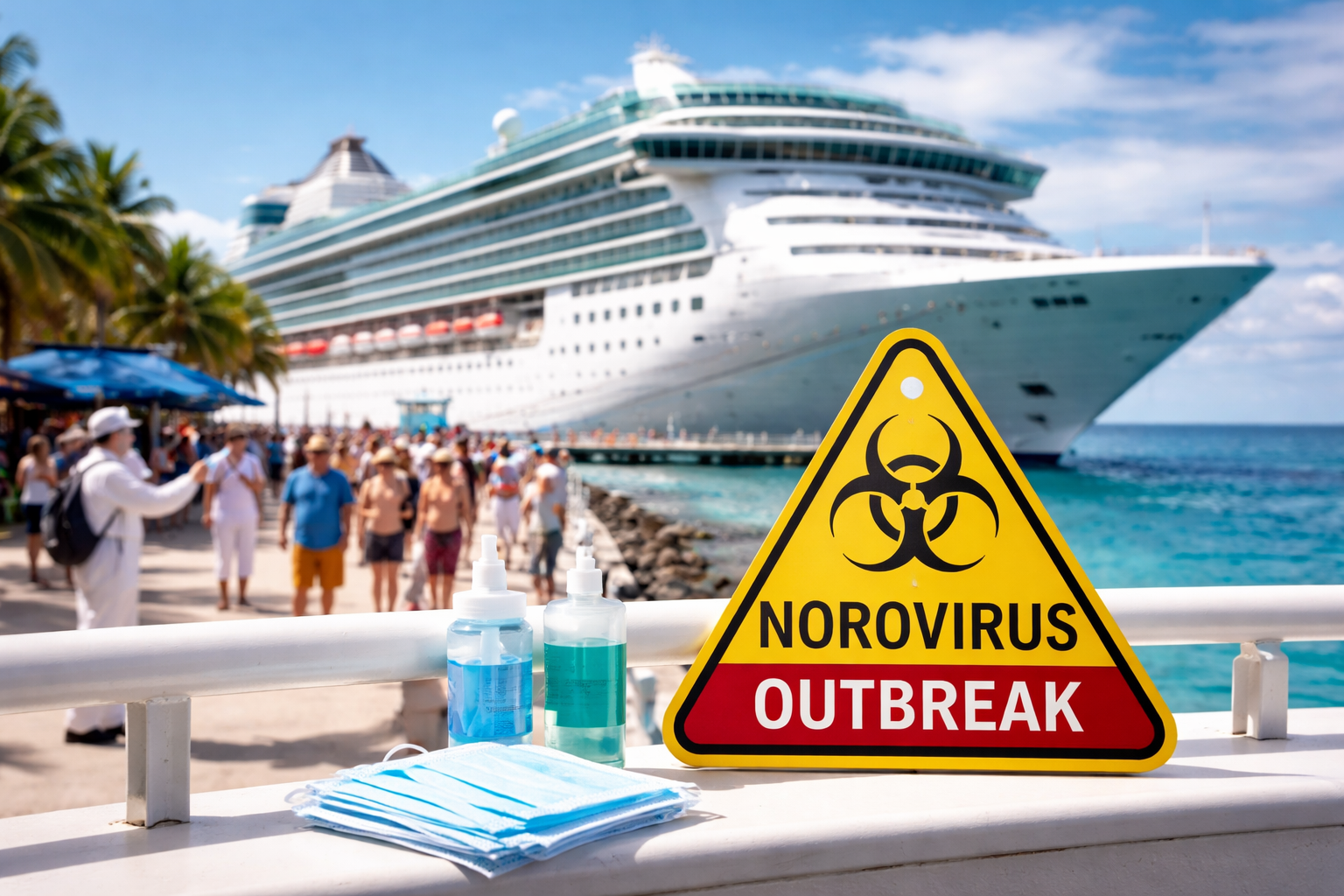
A relaxing Caribbean cruise recently turned into a difficult experience for many travelers after a fast-spreading stomach virus affected hundreds onboard. This situation shows how quickly infections can spread in shared environments and why health precautions are essential while traveling.
During a recent seven day Caribbean journey, close to 200 people aboard the Star Princess cruise ship reported symptoms linked to norovirus. According to the Centers for Disease Control and Prevention, a total of 193 individuals became ill, including 141 passengers and 52 crew members.
The voyage ended on March 14, after which the outbreak was reported through the Vessel Sanitation Program. This monitoring system helps track illnesses on cruise ships and ensures that proper response measures are followed. Health officials later reviewed the situation to confirm that safety protocols were implemented effectively.
Those affected mainly experienced vomiting and diarrhea, which are the most common symptoms of norovirus. Although the illness is usually not severe, it can cause significant discomfort and spreads very easily in confined settings such as cruise ships.
Norovirus is one of the most common causes of gastrointestinal illness worldwide. It spreads through several everyday interactions, including:
Cruise ships create an environment where the virus can spread rapidly due to shared dining spaces, close living quarters, and frequent social interaction. Even a small number of viral particles can cause infection, which makes outbreaks difficult to control once they begin.
In response to the situation, the cruise operator introduced stricter health and safety measures. These actions included:
These steps are standard in outbreak management and are designed to reduce transmission while protecting both passengers and staff.
After returning to Fort Lauderdale, the ship resumed its next scheduled trip, showing how cruise lines work to restore normal operations quickly after handling such incidents.
Understanding the symptoms can help travelers act quickly and reduce the spread. Typical signs include:
Symptoms usually appear within 12 to 48 hours after exposure and may last between one and three days. While most people recover without treatment, dehydration can be a risk, especially for older adults, children, and those with weaker immune systems.
Travelers can lower their risk by following simple but effective hygiene practices:
Wash hands often
Use soap and water regularly, especially before eating and after using the restroom.
Avoid touching your face
This helps prevent the virus from entering your body.
Be careful with shared surfaces
Items like handrails, elevator buttons, and buffet utensils may carry germs.
Eat safely prepared food
Choose freshly cooked meals and avoid questionable food sources.
Stay isolated if unwell
If symptoms develop, remain in your cabin and seek medical help if needed.
This outbreak highlights a broader issue in travel health. Enclosed and crowded environments such as cruise ships, airplanes, and hotels can increase the risk of infectious disease spread if precautions are ignored.
The Centers for Disease Control and Prevention continues to provide guidance and monitor such incidents to protect public health. Programs like the Vessel Sanitation Program help maintain hygiene standards in the cruise industry.
Although outbreaks receive significant attention, they are relatively uncommon compared to the number of people who travel safely each year. Millions of travelers enjoy cruise vacations without any health issues.
Being informed and prepared is the best way to stay safe. Following hygiene guidelines and paying attention to your health can greatly reduce the risk of infection.
Cruise companies follow strict health and safety procedures, including:
When an issue arises, immediate action is taken to control the situation and protect passengers. In this case, the response aligned with recommended public health practices.
The recent norovirus outbreak on a Caribbean cruise serves as a reminder that travel requires both excitement and responsibility. While vacations are meant to be enjoyable, staying aware of health risks is essential.
Simple steps such as proper handwashing, staying hydrated, and reporting symptoms early can make a major difference. As travel continues to grow worldwide, maintaining strong hygiene habits remains one of the most effective ways to stay safe.
Centers for Disease Control and Prevention, with additional context from NBC News, March 2026.
This article is intended for informational purposes only and should not be considered medical advice. Health information may vary between individuals. Always consult a qualified healthcare professional for advice tailored to your specific situation.

Most Accurate Healthcare AI designed for everything from admin workflows to clinical decision support.