Mitral Valve Stenosis: Causes, Symptoms, and Treatment
What is Mitral valve stenosis?
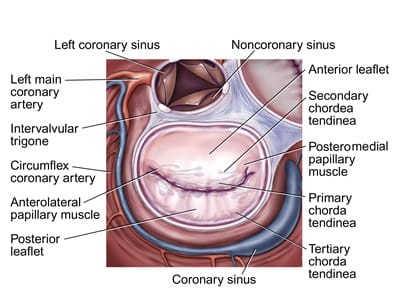
Mitral stenosis (MS) is a form of valvular heart disease characterized by the narrowing of the mitral valve orifice. The most common cause of mitral stenosis is rheumatic fever, though the stenosis typically does not become clinically relevant until several decades later.
What are the causes of mitral stenosis?
The other uncommon causes of MS include:
- Calcification of the mitral valve leaflets
- Congenital heart disease
- Infective endocarditis
- Mitral annular calcification
- Endomyocardial fibroelastosis
- Malignant carcinoid syndrome
- Systemic lupus erythematosus
- Whipple disease
- Fabry disease
- Rheumatoid arthritis
How common is MS?
The prevalence of rheumatic disease in developed countries is declining, with an estimated incidence of 1 in 100,000. The prevalence is higher in developing nations than in the United States. In Africa, for example, the prevalence is 35 cases per 100,000.
Rheumatic mitral stenosis is more common in females. The onset is usually between the third and fourth decades of life. [1]
What are the symptoms of MS?
- Shortness of breath: which usually happens during physical activity and exercise, but can also happen while lying down.
- Fatigue: to the extent that it interferes with your normal activities.
- Bronchitis: due to more than usual infections occurring in MS.
- Palpitations: mitral valve stenosis puts more pressure on the upper left chamber of your heart, causing an irregular heart rhythm called atrial fibrillation.
- Stroke: insufficient heart pumping can cause reduced blood flow to the brain, leading to a clot or an ischemic stroke.
- Cough with blood: when there is pulmonary hypertension due to back pressure in the left atrium and hence in the pulmonary blood vessels.
- Swelling in the abdomen, ankle, and feet as there is due to fluid buildup the heart struggling to pump the blood.
Children born with MS may present with the following symptoms:
- Trouble feeding or sweating while bleeding
- Cough and/or wheezing
- Slow growth
- Frequent respiratory infections
- Shortness of breath
What are the complications of MS?
- Difficulty swallowing from an enlarged upper chamber compressing on the esophagus
- Pulmonary hypertension
- Pulmonary oedema
- Heart failure
- Blood clots
- Atrial fibrillation
- Stroke
- Infective endocarditis
- Sudden death [2]
How is MS diagnosed?
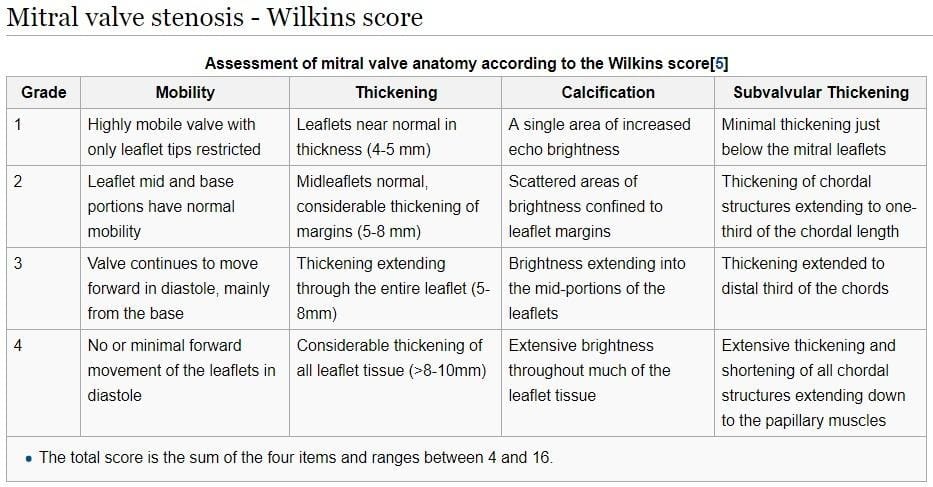
One of the easiest signs of picking up MS is hearing a heart murmur with the stethoscope. Following tests can help confirm the diagnosis.
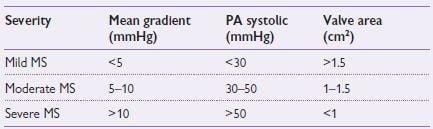
- Echocardiogram: it not only shows areas of poor blood flow and heart valve changes but also helps to find out the severity of mitral valve stenosis.
- Electrocardiogram (ECG or EKG): P wave changes suggest left atrial enlargement. The presence of right axis deviation and right ventricular hypertrophy suggests severe pulmonary hypertension. ECG frequently detects atrial arrhythmias such as atrial fibrillation.
- Exercise stress test: ECG monitoring is done while walking on a treadmill or bicycling to determine changes induced while exercising.
- Cardiac computerized tomography (CT)
- Cardiac Magnetic Resonance Imaging (MRI)
- Cardiac catheterization is done when other tests aren't able to diagnose the condition or determine its severity.
Chest X-ray: In severe MS, enlargement of all the chambers, pulmonary arteries, and pulmonary veins will be seen.
How is MS treated?
MEDICATION
- Diuretics, also called water pills, to reduce fluid buildup in the lungs or other areas of the body.
- Diuretics, also called water pills, to reduce fluid buildup in the lungs or other areas of the body.
- Beta blockers, calcium channel blockers, or other heart medicines to slow the heart rate.
- Medicines for irregular heartbeats are called antiarrhythmics.
- Antibiotics to prevent a return of rheumatic fever if that's what damaged the mitral valve.
SURGERY & OTHER PROCEDURES
- Balloon valvuloplasty: Balloon valvuloplasty uses a flexible tube called a catheter and a tiny balloon. The doctor inserts the balloon-tipped catheter into an artery, usually in the groin. It's guided to the mitral valve. The balloon is inflated, widening the mitral valve opening. The balloon is deflated. Then the catheter and balloon are removed.
- An open-heart surgery called open valvotomy removes calcium deposits and other scar tissue blocking the mitral valve opening.
- Mitral valve replacement: The damaged valve is replaced with a mechanical one or a valve made from cow, pig, or human heart tissue. A valve made from animal or human tissue is called a biological tissue valve. [3]
People with mechanical valves need lifelong blood thinners to prevent blood clots.