
Measles: Symptoms, Risks, and Prevention
Measles is a highly contagious viral infection that can lead to serious health complications in some individuals. It spreads easily through the air when an infected person coughs or sneezes. Despite being preventable through vaccination, measles remains a public health concern in many countries, including the United Kingdom. Vaccines such as the MMR (measles, mumps, and rubella) and MMRV (measles, mumps, rubella, and varicella) are the most effective ways to protect against measles.
This blog aims to provide a detailed overview of measles, its symptoms, possible complications, and practical steps for prevention and care, based on information from the NHS and other trusted sources.
Early Symptoms of Measles
Measles usually begins with cold-like symptoms, which can appear about 10 to 14 days after exposure to the virus. The initial symptoms include:
- High temperature
- Runny or blocked nose
- Sneezing
- Persistent cough
- Red, sore, watery eyes
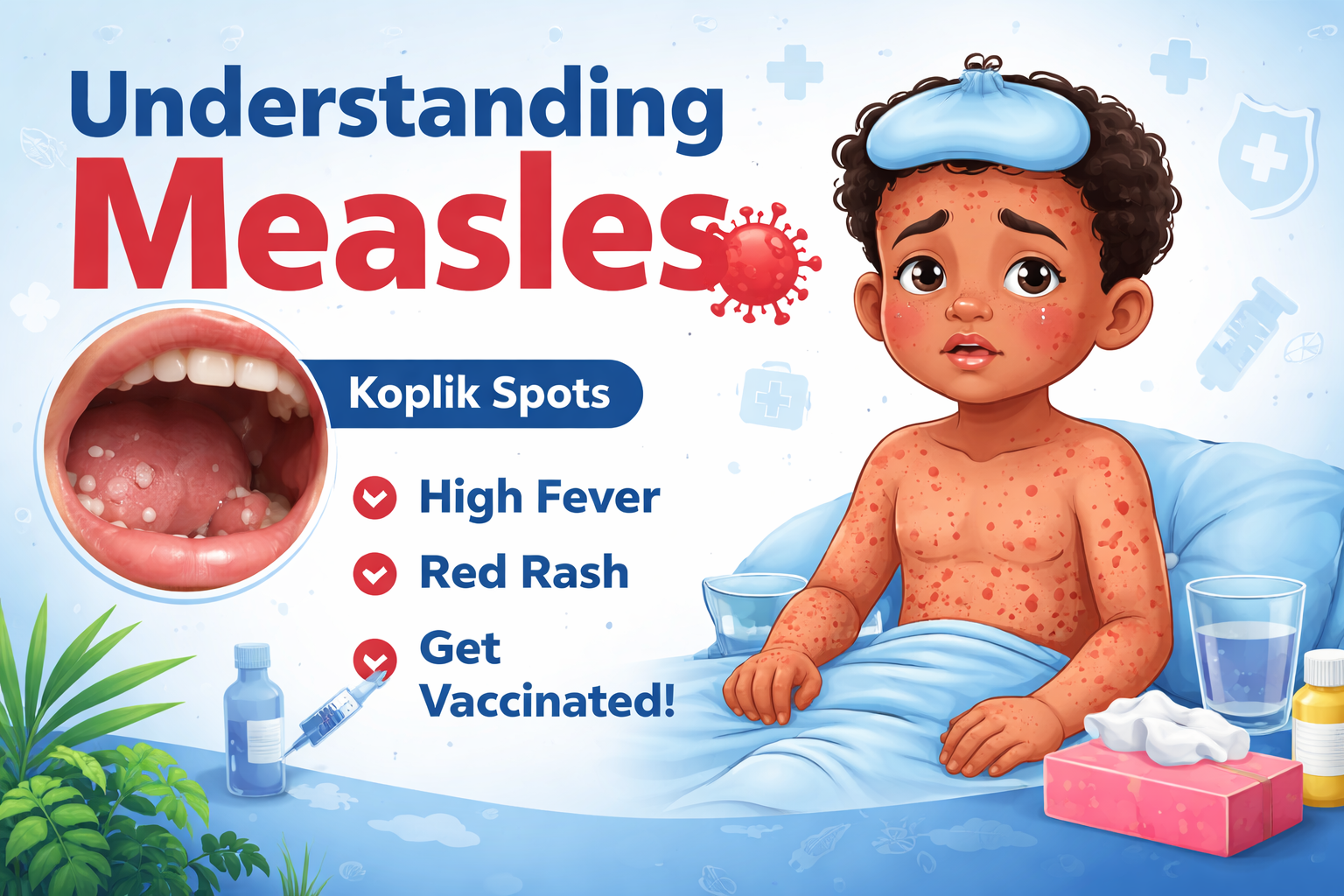
In addition to these symptoms, small white spots may appear inside the mouth, on the cheeks, and on the back of the lips. These are sometimes referred to as Koplik spots and are an early sign of measles infection. They generally last a few days and can help distinguish measles from other common viral illnesses.
The Measles Rash
A few days after the initial cold-like symptoms, a measles rash typically appears. The rash often begins on the face, particularly around the hairline and behind the ears, before spreading to the rest of the body. On light skin, the rash may appear red and blotchy, sometimes raised, and can merge into larger patches. On darker skin tones, the rash may appear pale red, brown, or dark red, and may be slightly raised.
The rash is generally not itchy but serves as a visible sign of measles infection. The spread of the rash can help healthcare providers confirm the diagnosis.
Vaccination and Immunity
Individuals who have received both doses of the MMR or MMRV vaccines, or who have previously had measles, are unlikely to contract the disease. Vaccination is especially important for children, adults who were not vaccinated as children, and anyone who has not had measles before.
The MMRV vaccine also offers protection against chickenpox in addition to measles, mumps, and rubella. These vaccines are available free of charge through the NHS. Adults and older children should consult their GP if they are unsure about their vaccination status.
When to Seek Urgent Medical Advice
Measles can become serious, particularly in babies, pregnant individuals, and people with weakened immune systems. Urgent medical advice should be sought if any of the following situations arise:
- Suspected measles infection in yourself or your child
- Contact with a measles case in children under 1 year
- Exposure to measles during pregnancy or with a weakened immune system
- Persistent high temperature not responding to medication
- Difficulty breathing or shortness of breath
- Reduced feeding or fluid intake in babies or young children
- Significantly reduced urine output
- Feeling very unwell or showing signs of serious illness
Before visiting a GP surgery, it is advisable to call and discuss symptoms. Healthcare providers may suggest a telephone consultation or arrange a separate area to prevent spreading the infection. NHS 111 can also provide guidance and online support.
Caring for Someone with Measles
Measles symptoms generally improve within about a week. Supportive care can help reduce discomfort and prevent complications. Recommended measures include:
- Rest and drink plenty of fluids to avoid dehydration
- For children, give paracetamol or ibuprofen if they are uncomfortable or distressed. Always check the packaging for age-appropriate dosing or consult a GP or pharmacist.
- Adults can take paracetamol or ibuprofen to reduce fever
- Use cotton wool soaked in cooled, boiled water to gently clean the eyes if they are crusty
It is important to stay away from school, nursery, or work for at least four days after the rash appears. Additionally, avoid contact with babies, pregnant people, or those with compromised immune systems.
Preventing Measles Transmission
Measles spreads through respiratory droplets from coughs and sneezes. People with measles are infectious from around four days before the rash appears until four days after it develops. Measures to prevent transmission include:
Do:
- Open windows and doors to increase ventilation. Use safety catches or only open top windows if young children are present.
- Wash hands frequently with soap and warm water
- Use tissues when sneezing or coughing and dispose of them immediately
Do not:
- Share cutlery, cups, towels, clothing, or bedding
By taking these precautions, the risk of spreading measles to others can be minimized.
Complications of Measles
While most cases of measles resolve without severe issues, the virus can lead to complications if it spreads to other parts of the body, such as the lungs or brain. Complications can include:
- Pneumonia
- Meningitis
- Blindness
- Seizures or fits
Certain groups, such as babies and individuals with weakened immune systems, are at higher risk of these serious outcomes.
Measles and Pregnancy
Contracting measles during pregnancy can have serious consequences for both the mother and baby. Possible risks include:
- Miscarriage or stillbirth
- Premature birth before 37 weeks
- Low birthweight in the baby
Pregnant individuals who have been exposed to measles should seek medical advice promptly to reduce potential risks.
Emergency Symptoms Requiring Immediate Attention
Call 999 or go to the nearest accident and emergency department if someone with measles experiences:
- Seizures or fits
- Severe breathing difficulties, such as gasping or inability to speak
- Inability to stay awake or keep eyes open
- Sudden confusion or unusual behavior in children
- Limpness or abnormal responsiveness in children
- Rash that does not fade when pressed
- Stiff neck or light sensitivity with pain
Do not attempt to drive a person with severe measles symptoms. Ask someone else to drive or call an ambulance, and bring any current medications for reference.
Vaccination Recommendations
Vaccination remains the most effective method to prevent measles. The MMR and MMRV vaccines protect against measles, mumps, and rubella, with the MMRV vaccine also providing protection against chickenpox. Vaccines are offered routinely to young children in the UK. Adults and older children who missed earlier doses can receive vaccination through their GP.
For more information, visit:
Disclaimer
This blog is intended for educational purposes only. It should not replace professional medical advice, diagnosis, or treatment. Always consult a qualified healthcare provider if you have questions about measles or other health concerns. The information presented is based on publicly available NHS guidance and other reputable sources. Individual cases may vary, and medical attention should be sought when urgent or severe symptoms occur.