
Measles Cases Accelerate in South Carolina as Outbreaks Spread Across the United States
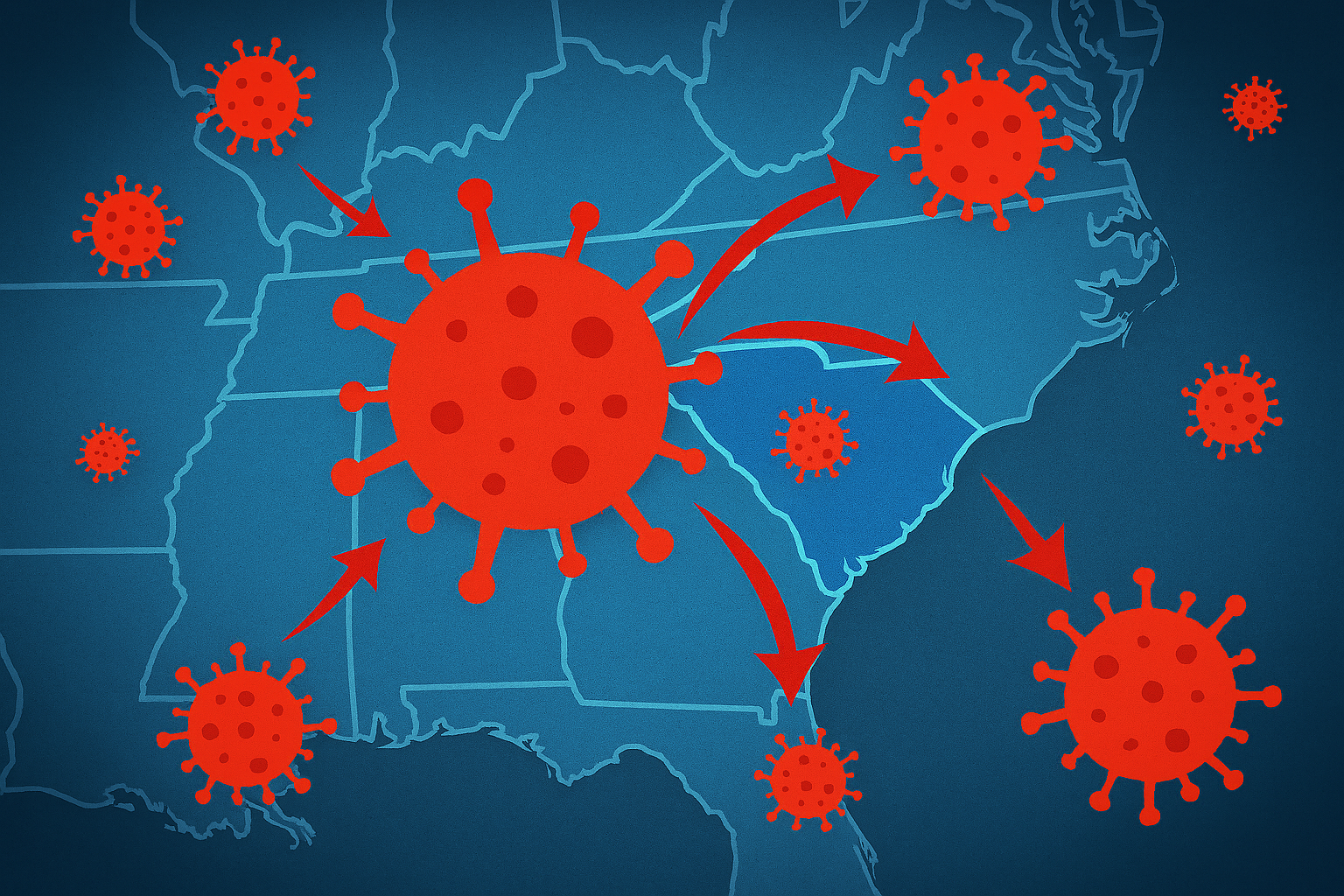
Measles cases are rising rapidly in South Carolina and spreading to other U.S. states. Learn where outbreaks are occurring, why measles spreads so fast, and how vaccination plays a critical role in prevention.
Measles, a highly contagious viral disease once considered largely eliminated in the United States, is resurging at an alarming pace. Health officials report a sharp increase in measles cases in South Carolina, with confirmed spread to several other states. The outbreak highlights growing public health concerns about vaccination gaps, interstate travel, and community transmission.
According to recent health department updates, measles cases are no longer isolated events. Instead, they are appearing across multiple regions, affecting children and adults alike. As the virus spreads, public health agencies are urging renewed attention to vaccination and early symptom recognition.
South Carolina Reports Rapid Increase in Measles Cases
The South Carolina Department of Public Health has confirmed a significant jump in measles infections in early January. Since January 6, officials have reported 99 new cases, bringing the statewide total to 310 confirmed infections. Approximately 200 individuals who were exposed to the virus are currently under quarantine as a precautionary measure.
Most reported cases are concentrated in Spartanburg County, located in the northwestern region of the state. Health officials have determined that some infections are linked to travel or direct contact with known cases. However, a concerning number of cases have no identified source of exposure.
When measles spreads without a clear chain of transmission, it suggests that the virus is circulating within the community. Community transmission significantly increases the risk of further spread, especially in areas with lower vaccination coverage.
Measles Outbreak Spreads Beyond South Carolina
The outbreak in South Carolina is no longer confined within state borders. Health officials in North Carolina confirmed that three siblings in Buncombe County were diagnosed with measles after visiting Spartanburg. This cluster demonstrates how easily measles can spread through routine travel.
Washington state has also reported cases connected to travel from South Carolina. Public health authorities in Snohomish County confirmed that three individuals who traveled from South Carolina were later diagnosed with measles. One case involved an adult who had received at least one dose of the measles mumps rubella vaccine, while the other two cases involved unvaccinated children.
Officials stated that the infected family visited multiple public locations while contagious, including restaurants, a church, and a trampoline park. These settings are considered high risk environments for measles transmission due to close contact and shared airspace.
Separate Measles Outbreaks in Arizona and Utah
At the same time, a separate measles outbreak is ongoing along the Arizona and Utah border. This outbreak has reached a combined total of 390 cases, with 214 reported in Arizona and 176 in Utah. Health authorities have indicated that there is no evidence linking this outbreak to the South Carolina cases.
Utah health officials reported several exposure events in recent weeks. These include activities at a high school in St. George and a drill competition near Salt Lake City. Large gatherings such as school events increase the likelihood of rapid virus spread when unvaccinated individuals are present.
The presence of multiple unconnected outbreaks across the country suggests a broader vulnerability to measles resurgence in the United States.
Ohio Reports Measles Cases Among Children
Ohio has also confirmed measles cases involving young children. State officials reported that three children aged 10, 7, and 2 have been diagnosed with measles. A fourth child is currently showing symptoms consistent with the disease.
According to the Ohio Department of Health, the affected children were unvaccinated at the time of exposure and had traveled to a region of the country experiencing an active measles outbreak. Pediatric cases are particularly concerning because children face a higher risk of complications from measles.
Why Measles Is So Contagious
Measles is one of the most contagious viruses known to medical science. The virus spreads through respiratory droplets released when an infected person coughs, sneezes, or even breathes. These droplets can remain suspended in the air for up to two hours, allowing the virus to infect people who enter the area later.
This airborne persistence makes measles especially dangerous in enclosed spaces such as schools, healthcare facilities, churches, and entertainment venues. Even brief exposure can result in infection if a person is not immune.
Before widespread vaccination, measles infected millions of Americans annually and caused thousands of hospitalizations and deaths. The introduction of the measles mumps rubella vaccine dramatically reduced cases and led to measles elimination status in the United States in 2000. However, elimination does not mean eradication. The virus can still be reintroduced and spread rapidly when vaccination coverage declines.
Vaccination and Measles Prevention
Vaccination remains the most effective method for preventing measles. Two doses of the measles mumps rubella vaccine provide approximately 97 percent protection against infection. High vaccination rates also create herd immunity, protecting individuals who cannot receive vaccines due to medical conditions.
Data from recent outbreaks show that the majority of measles cases occur in unvaccinated individuals or those with unknown vaccination status. In 2025, the United States recorded 2,144 measles cases, the highest annual total since 1991. Approximately 93 percent of those cases involved people who were unvaccinated or not fully vaccinated.
These statistics reinforce the importance of maintaining high vaccination coverage to prevent future outbreaks.
Public Health Response and Challenges
Containing measles outbreaks requires rapid identification of cases, extensive contact tracing, quarantine measures, and clear public communication. Health departments also work to ensure vaccine availability and address misinformation surrounding immunization.
Outbreaks that span multiple states present additional challenges. Travel related infections complicate contact tracing efforts and require coordination between state and local health agencies. Healthcare providers are also encouraged to recognize measles symptoms early to prevent exposure in clinical settings.
Common early symptoms include fever, cough, runny nose, red eyes, and a distinctive rash that typically appears several days after initial symptoms.
What This Means Going Forward
The rise in measles cases across the United States serves as a reminder that infectious diseases can quickly reemerge when prevention measures weaken. Public health officials emphasize the importance of staying up to date on recommended vaccinations and following guidance during outbreaks.
For families and individuals, knowing vaccination status and seeking medical advice promptly when symptoms appear can reduce the risk of severe illness and further transmission. Communities with strong vaccination coverage are better equipped to protect vulnerable populations, including infants and immunocompromised individuals.
Measles is preventable, but prevention requires collective effort. The current outbreaks underscore the need for sustained public health vigilance and community participation.
Source
NBC News, January 9, 2026.
Disclaimer
Statistical and medical information in this article reflects general trends and is provided for educational purposes only. It does not substitute for professional medical advice, diagnosis, or treatment. Individual health circumstances vary. Always consult a qualified healthcare provider for personalized medical guidance.