
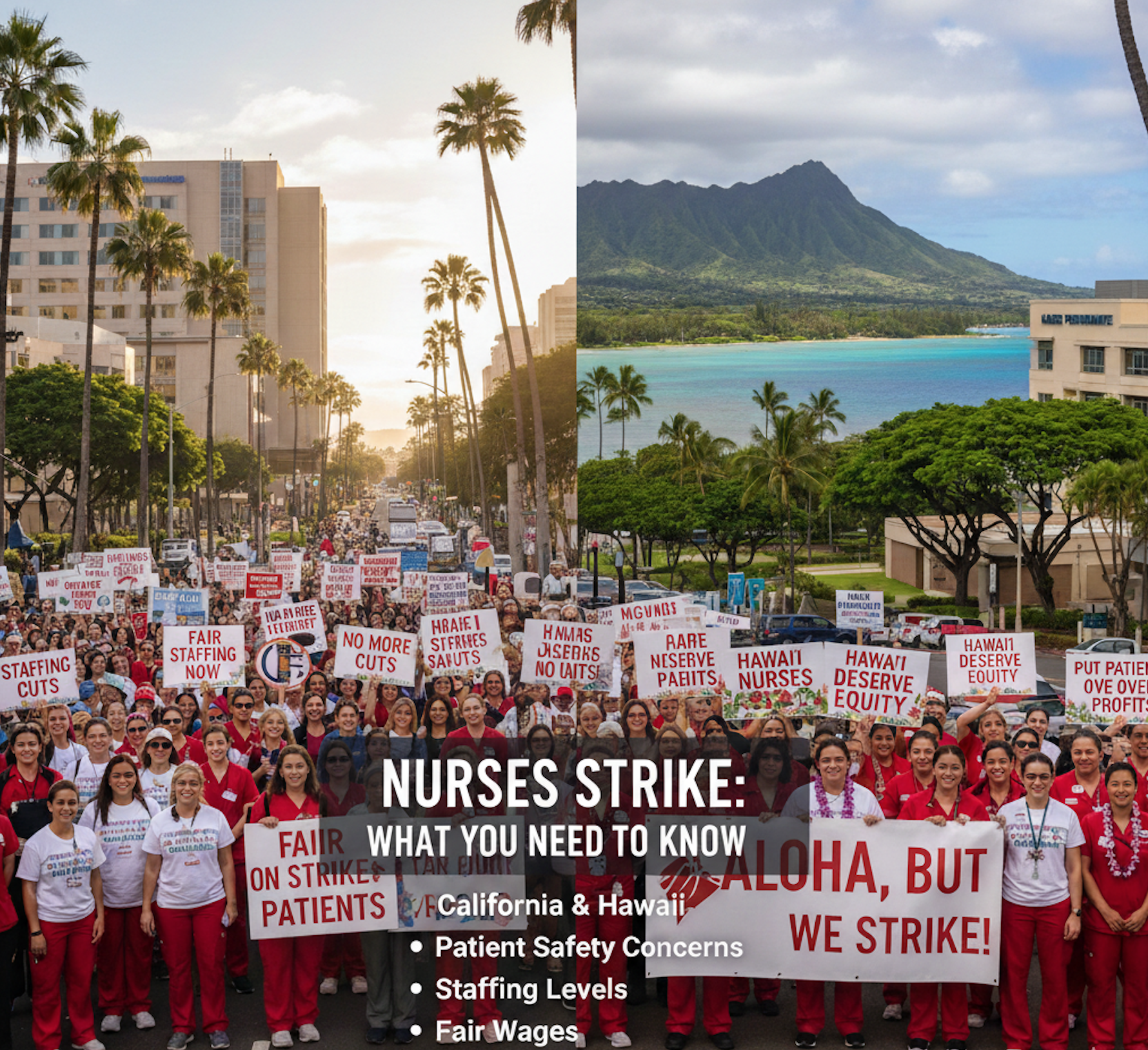
Kaiser Permanente Nurses Strike in California and Hawaii: What You Need to Know
On Monday, January 26, 2026, over 31,000 nurses and healthcare workers walked off the job at Kaiser Permanente facilities across California and Hawaii. This strike represents the largest healthcare worker walkout so far this year, affecting at least two dozen hospitals and hundreds of clinics. The workers, members of the United Nurses Associations of California/Union of Health Care Professionals (UNAC/UHCP), are demanding safer staffing levels and better pay.
Background of the Strike
According to the union, many Kaiser facilities have been operating with staffing shortages for an extended period. This shortage has led to delayed patient care, increased risk of errors, and staff burnout. Union leaders also claim that Kaiser is pushing for reductions in wages, benefits, and retirement plans, including medical coverage and pensions.
Charmaine Morales, president of UNAC/UHCP, explained, "Kaiser's own communications to employees reveal exactly why we are striking. Instead of addressing unsafe staffing and patient care concerns, Kaiser is issuing messages that pressure workers not to strike, exaggerate the risks of participation, and encourage employees to report one another. That is intimidation."
Negotiations between the union and Kaiser began in May 2025 but stalled in December, leading the union to file an unfair labor practice complaint with the National Labor Relations Board.
Union Concerns
Earlier this month, UNAC/UHCP released a report claiming that Kaiser, a nonprofit health system, made significant profits. The report criticized Kaiser for investments connected to private prisons and immigration detention centers. Morales stated, "Kaiser is not strapped for resources. It is making choices, and those choices are hurting people. It is time for accountability."
The union emphasizes that the strike is not simply about wages. Their main goal is to improve patient care by ensuring safe staffing levels and protecting workers from burnout and unsafe working conditions.
Kaiser’s Response
Kaiser Permanente responded to the strike by calling it unnecessary, stating that the organization had already presented a generous offer to the union. A company spokesperson said, "Despite the union’s claims, this strike is about wages. The strike is designed to disrupt the lives of our patients, the very people we are all here to serve."
Kaiser has assured that all hospitals and nearly all medical offices will remain open during the strike. However, some appointments may be shifted online, and elective procedures or surgeries may be delayed. This is not the first time Kaiser workers have walked out. In October 2025, thousands of employees staged a five-day strike over staffing and pay concerns.
Broader Context
The Kaiser strike comes amid a wave of healthcare worker walkouts across the United States. Nearly 15,000 nurses in New York City are currently on strike at five hospitals. Their strike has already lasted two weeks, with the union reporting that at least two hospitals have agreed to protect health benefits for their staff.
Healthcare strikes like these highlight the ongoing challenges faced by medical workers in maintaining safe working conditions while providing high-quality patient care. Staffing shortages, long hours, and concerns over compensation are common factors driving these labor actions.
Impact on Patients
While Kaiser has stated that its hospitals will remain operational, patients should anticipate potential disruptions. Elective surgeries or non-urgent procedures may be rescheduled, and routine appointments might be conducted virtually. Those seeking care should check directly with their facility to confirm appointment times and procedures.
The Importance of Safe Staffing
Safe staffing in healthcare is not only a labor concern but also a patient safety issue. Studies show that adequate nurse staffing levels reduce the risk of medical errors, improve patient outcomes, and lower rates of staff burnout. When facilities are understaffed, nurses face increased pressure, which can lead to mistakes and slower response times.
Healthcare organizations, including Kaiser, have a responsibility to balance operational efficiency with patient safety and employee well-being. Strikes often serve as a last resort when negotiations fail to achieve these goals.
Labor Relations in Healthcare
The strike at Kaiser also sheds light on the broader issues of labor relations in the healthcare industry. Unions like UNAC/UHCP advocate for fair wages, benefits, and working conditions for their members. They also push for policies that ensure high standards of patient care.
Disputes between management and unions can be complex, involving negotiations over salaries, benefits, staffing levels, and organizational priorities. In this case, the conflict escalated when negotiations stalled, and the union perceived that Kaiser’s actions prioritized profits over patient care.
Economic Considerations
Kaiser Permanente is a nonprofit organization, yet the union’s report indicates that the system has achieved substantial profits. Critics argue that these profits could be better allocated toward improving staffing levels and protecting employee benefits rather than investments in controversial areas such as private prisons.
From an economic standpoint, labor strikes can have both short-term and long-term effects on an organization. Short-term impacts include service disruptions and reputational challenges, while long-term consequences may involve changes in labor agreements, increased labor costs, or improvements in employee satisfaction and retention.
Lessons for Healthcare Workers
For healthcare professionals, the Kaiser strike serves as a reminder of the importance of collective bargaining and advocacy. Strikes are a legal tool that workers can use to advocate for better working conditions and patient care standards. They also highlight the need for healthcare organizations to listen to their staff and address concerns before they escalate.
Patient Guidance During Strikes
Patients impacted by strikes should plan ahead and maintain open communication with their healthcare providers. Key recommendations include confirming appointments, considering telehealth alternatives for routine visits, and being aware of potential delays in elective procedures.
Healthcare consumers can also stay informed by monitoring updates from official sources, including hospital websites, union communications, and local news outlets. Staying proactive helps ensure that patient care remains uninterrupted as much as possible during labor disputes.
Conclusion
The Kaiser Permanente strike in California and Hawaii reflects ongoing challenges in healthcare labor relations. With over 31,000 workers demanding safer staffing levels, better pay, and secure benefits, the strike underscores the importance of employee advocacy and patient safety. Both the union and Kaiser have presented their positions, yet the resolution remains uncertain.
As the situation evolves, healthcare professionals, patients, and policymakers will continue to monitor the strike’s impact. The event highlights the delicate balance between maintaining operational efficiency, ensuring patient safety, and supporting the workforce that delivers critical care every day.
Sources
- ABC News. January 26, 2026. Kaiser Nurses Walk Out Over Staffing and Pay.
Disclaimer
This article is for informational purposes only. It is based on publicly available news sources and does not constitute medical or legal advice. Individual circumstances may vary, and readers should seek professional guidance regarding personal healthcare decisions or employment concerns.