
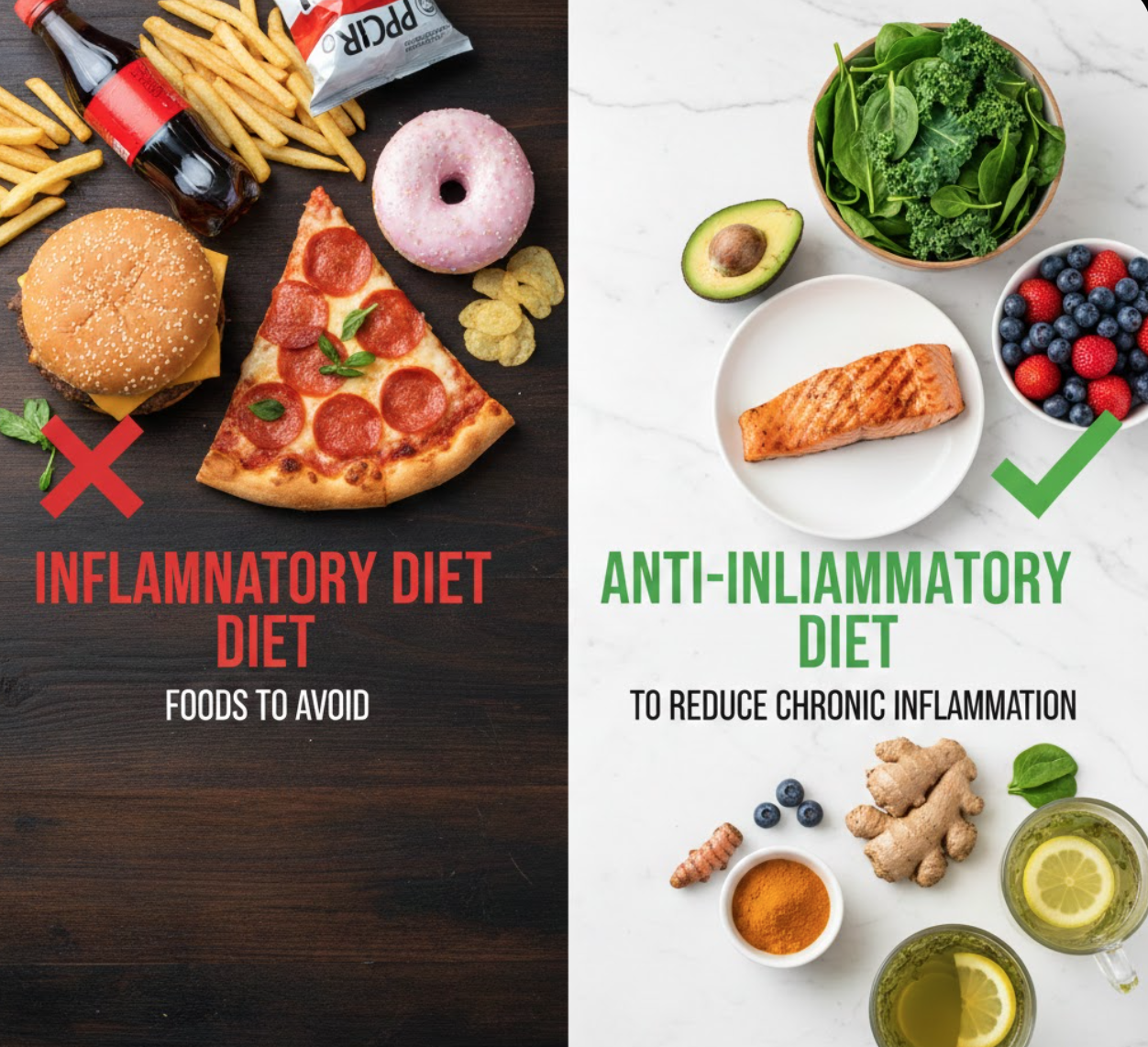
Inflammatory Diet: Foods to Avoid to Reduce Chronic Inflammation
Inflammatory diet foods to avoid, foods that cause inflammation, inflammatory foods list, chronic inflammation and diet, anti-inflammatory diet, foods that increase inflammation
Inflammation is a natural process that helps the body fight infection and heal injuries. However, when inflammation becomes chronic, it can quietly damage tissues and organs over time. Chronic inflammation is strongly linked to many modern diseases, including heart disease, type 2 diabetes, arthritis, autoimmune disorders, obesity, digestive issues, and even certain cancers.
One of the most powerful drivers of chronic inflammation is diet. What you eat every day can either calm inflammation or fuel it. An inflammatory diet is characterized by foods that spike blood sugar, disrupt gut health, promote oxidative stress, and activate inflammatory pathways in the body.
In this article, you will learn which foods contribute most to inflammation, why they are harmful, and how avoiding them can support better long-term health.
What Is an Inflammatory Diet?
An inflammatory diet consists primarily of processed and refined foods that are low in nutrients and high in added sugars, unhealthy fats, artificial additives, and refined carbohydrates. These foods trigger inflammatory responses by increasing insulin resistance, damaging the gut lining, and promoting the release of pro-inflammatory cytokines.
Over time, consistently eating inflammatory foods can lead to low-grade chronic inflammation that often goes unnoticed until symptoms such as fatigue, joint pain, bloating, brain fog, or weight gain appear.
Why Reducing Inflammatory Foods Matters
Chronic inflammation is not just associated with pain or swelling. It affects nearly every system in the body. Research shows that inflammation plays a key role in:
- Cardiovascular disease and atherosclerosis
- Type 2 diabetes and metabolic syndrome
- Rheumatoid arthritis and osteoarthritis
- Inflammatory bowel disease
- Alzheimer’s disease and cognitive decline
- Hormonal imbalances
- Skin conditions such as acne and eczema
By removing foods that drive inflammation, many people experience improvements in energy levels, digestion, mental clarity, and overall well-being.
Inflammatory Foods to Avoid
The following table outlines the most common inflammatory foods, examples, and why they contribute to inflammation.
| Food Category | Common Examples | Why They Increase Inflammation |
|---|---|---|
| Refined sugars | Soda, candy, pastries, cookies, sweetened cereals | Cause blood sugar spikes, increase insulin resistance, and promote inflammatory markers |
| Refined carbohydrates | White bread, white pasta, white rice, baked goods | Rapidly convert to glucose and raise inflammatory cytokines |
| Processed meats | Bacon, sausage, hot dogs, deli meats | Contain nitrates, preservatives, and advanced glycation end products |
| Fried foods | French fries, fried chicken, doughnuts | High in trans fats and oxidized oils |
| Trans fats | Margarine, shortening, packaged snacks | Directly linked to systemic inflammation and heart disease |
| Excess omega-6 oils | Corn oil, soybean oil, sunflower oil | Disrupt omega-6 to omega-3 balance, promoting inflammation |
| Ultra-processed foods | Fast food, frozen meals, chips | High in additives, sodium, and unhealthy fats |
| Artificial sweeteners | Aspartame, sucralose, saccharin | May alter gut microbiota and increase inflammation |
| Excess alcohol | Beer, spirits, sugary cocktails | Damages gut lining and increases inflammatory responses |
Detailed Breakdown of Inflammatory Foods
1. Refined Sugars
Added sugars are one of the biggest contributors to inflammation. High sugar intake leads to spikes in blood glucose and insulin levels, which activate inflammatory pathways. Excess sugar also feeds harmful gut bacteria and promotes oxidative stress.
Common sources include soft drinks, fruit juices with added sugar, candy, desserts, and flavored yogurts. Even products marketed as healthy can contain large amounts of hidden sugar.
2. Refined Carbohydrates
Refined carbohydrates lack fiber and essential nutrients. They are quickly digested and converted into sugar, which increases inflammation. Studies have shown that diets high in refined carbs are associated with elevated C-reactive protein levels.
Examples include white bread, pasta, crackers, pastries, and many breakfast cereals.
3. Processed and Red Meats
Processed meats contain preservatives such as nitrates and nitrites that are linked to inflammation and oxidative stress. High consumption of red and processed meats has been associated with increased risk of heart disease and inflammatory conditions.
Examples include bacon, sausages, hot dogs, salami, and deli meats.
4. Fried Foods
Fried foods are cooked in oils at high temperatures, which creates harmful compounds such as advanced glycation end products. These compounds increase oxidative stress and inflammation in the body.
Regular consumption of fried foods has been linked to higher levels of inflammatory markers and increased risk of chronic disease.
5. Trans Fats
Trans fats are artificially created fats that significantly increase inflammation. They raise bad cholesterol, lower good cholesterol, and promote insulin resistance.
They are commonly found in margarine, shortening, packaged baked goods, and many processed snacks.
6. Excess Omega-6 Fatty Acids
Omega-6 fats are not inherently bad, but modern diets contain them in excessive amounts while lacking omega-3 fats. This imbalance promotes inflammation.
Common sources include corn oil, soybean oil, sunflower oil, and many processed foods.
7. Ultra-Processed Foods
Ultra-processed foods are engineered for convenience and shelf life, not health. They often contain artificial flavors, emulsifiers, preservatives, and excessive sodium.
These additives can disrupt gut health and increase intestinal permeability, leading to systemic inflammation.
8. Artificial Sweeteners
Artificial sweeteners may seem like a healthy alternative, but research suggests they can negatively affect gut bacteria and glucose metabolism.
Examples include aspartame, sucralose, and saccharin, which are commonly found in diet sodas and sugar-free products.
9. Excess Alcohol
Moderate alcohol intake may have some benefits, but excessive consumption increases inflammation, damages the liver, and weakens the gut barrier.
Sugary alcoholic drinks are especially inflammatory due to their combined sugar and alcohol content.
Signs Your Diet May Be Causing Inflammation
Some common symptoms associated with an inflammatory diet include:
- Persistent fatigue
- Joint pain or stiffness
- Digestive discomfort such as bloating or gas
- Brain fog or difficulty concentrating
- Frequent headaches
- Weight gain or difficulty losing weight
- Skin flare-ups
If these symptoms improve after reducing inflammatory foods, it is a strong indicator that diet plays a role.
What to Eat Instead
Avoiding inflammatory foods is only half the solution. Replacing them with anti-inflammatory foods can further reduce inflammation and support healing.
Anti-inflammatory foods include:
- Leafy green vegetables
- Berries and citrus fruits
- Fatty fish such as salmon and sardines
- Extra virgin olive oil
- Nuts and seeds
- Whole grains like oats and quinoa
- Herbs and spices such as turmeric and ginger
Sources
- Harvard Health Publishing. Foods that fight inflammation. Harvard Medical School
- Cleveland Clinic. Inflammatory Foods to Avoid
- National Institutes of Health. Diet and inflammation
- American Heart Association. Trans Fats and Health
Disclaimer
This article is for informational and educational purposes only and does not constitute medical advice. Always consult a qualified healthcare provider, registered dietitian, or physician before making dietary changes, especially if you have a medical condition, food allergy, or are taking medication.