
Company
Most Accurate Healthcare AI designed for everything from admin workflows to clinical decision support.
Most Accurate Healthcare AI designed for everything from admin workflows to clinical decision support.
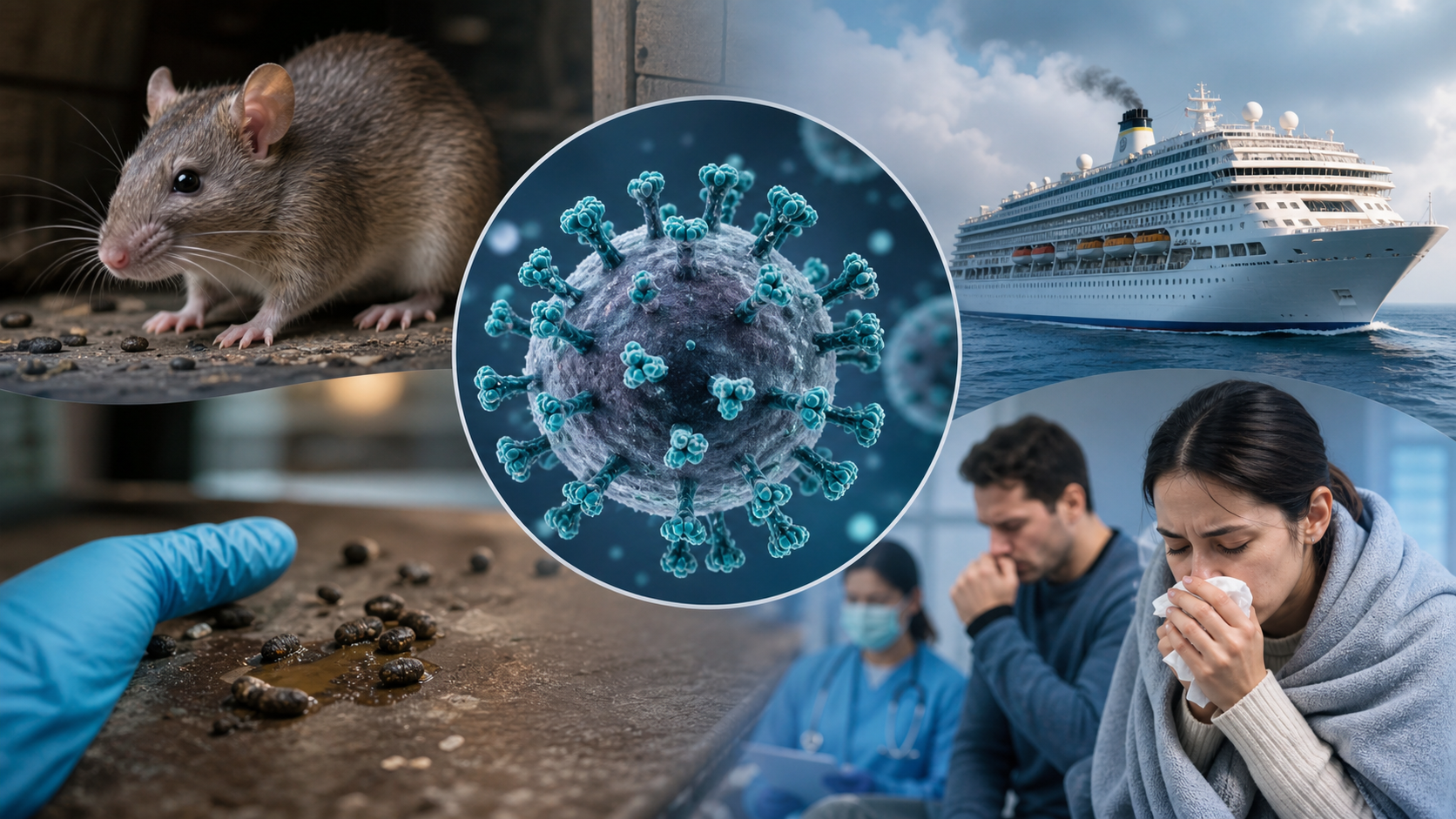
Hantavirus has recently come into the spotlight following reports of an outbreak linked to a Dutch cruise ship. Health authorities are closely monitoring the situation, and questions about how the virus spreads, its symptoms, and the risks to the public are becoming more common. This article provides a clear overview of hantavirus, including what is currently known about the outbreak and what it means for people in the UK and beyond.
As of 5 May 2026, the UK Health Security Agency is actively tracking cases associated with a cruise ship that entered waters near Cape Verde. Reports indicate that six individuals have fallen ill, with two confirmed cases of hantavirus infection. Among those affected is a British national receiving medical care in Johannesburg, South Africa. Tragically, three deaths have been linked to this outbreak.
Authorities, including the World Health Organization, are working alongside international partners to investigate the situation. At present, the specific strain of hantavirus involved has not been confirmed, which is an important factor in determining how the virus spreads and the level of risk involved.
Hantavirus is not a single virus but a group of viruses carried primarily by rodents such as mice and rats. These viruses are found in various parts of the world, including Europe, Asia, and Africa. Depending on the strain, infections can range from mild illness resembling the flu to severe and potentially life threatening respiratory disease.
Different strains are associated with different health outcomes. Some cause haemorrhagic fever with renal syndrome, while others can lead to hantavirus pulmonary syndrome, a serious lung condition.
Human infection typically occurs in environments where people come into contact with rodents or their waste. This is more common in rural or agricultural areas, but exposure can also happen in enclosed spaces like sheds, barns, or holiday homes where rodents may have nested.
In the UK, a specific strain known as Seoul hantavirus has occasionally been identified. This strain has been linked to pet rats rather than wild rodent populations.
In most cases, hantavirus does not spread between people. Infection usually happens when someone inhales microscopic particles contaminated with rodent urine, droppings, or saliva. Less commonly, the virus can enter the body through cuts, the eyes, or a rodent bite.
There are rare exceptions. Certain strains, such as the Andes virus, have shown the ability to spread from person to person through very close and prolonged contact. However, this type of transmission is uncommon and limited to specific strains.
At this stage, it is not yet confirmed whether the cruise ship outbreak involves a strain capable of human to human transmission. Investigations are ongoing.
Symptoms of hantavirus can vary widely depending on the strain and severity of infection. Common early symptoms include:
As the illness progresses, additional symptoms may develop, such as:
In more severe cases, individuals may experience significant respiratory distress requiring hospital treatment. Symptoms typically appear between one and four weeks after exposure, although in some cases they may take up to eight weeks to develop.
Currently, there is no specific antiviral treatment or vaccine available for hantavirus. Medical care focuses on managing symptoms and providing supportive treatment. This may include oxygen therapy or intensive care in severe cases involving breathing difficulties.
Early medical attention can improve outcomes, especially for severe forms of the disease.
The UK Health Security Agency is working in coordination with several organisations, including the World Health Organization and the UK government, to respond to the outbreak. Efforts include monitoring cases, supporting affected individuals, and providing public health guidance.
International collaboration is essential in managing outbreaks like this, especially when travel is involved. Authorities are also working to trace contacts and prevent further spread.
Despite the seriousness of hantavirus infections, the risk to the general public in the UK remains very low. Historically, only the Seoul strain has been detected in the UK, and this strain does not spread between people.
Hantavirus is not transmitted through casual contact, such as being in public places, workplaces, or schools. Even in rare cases where human transmission has occurred, it has required close and extended contact with an infected individual.
At present, no additional precautions are recommended for the general public.
It is highly unlikely that most people will be exposed to hantavirus. However, if you believe you may have been in a high-risk environment or are experiencing symptoms consistent with the virus, it is important to seek medical advice.
Staying informed through official public health channels is the best way to keep-up with any new developments. Monitoring updates from trusted sources can help ensure you have accurate and timely information.
While the overall risk is low, some general precautions can reduce the chance of exposure:
These simple steps can significantly reduce the likelihood of infection.
The hantavirus outbreak linked to the Dutch cruise ship highlights the importance of global health monitoring and rapid response. While the situation is still developing, health authorities are actively investigating and managing the risks.
For most people, there is no cause for alarm. Understanding how hantavirus spreads and recognizing its symptoms can help individuals stay informed without unnecessary concern.
Source: UK Health Security Agency, published on 5 May 2026.
Disclaimer: This article is for informational purposes only and does not constitute medical advice. For professional guidance, please consult a qualified healthcare provider or refer to official public health resources.