
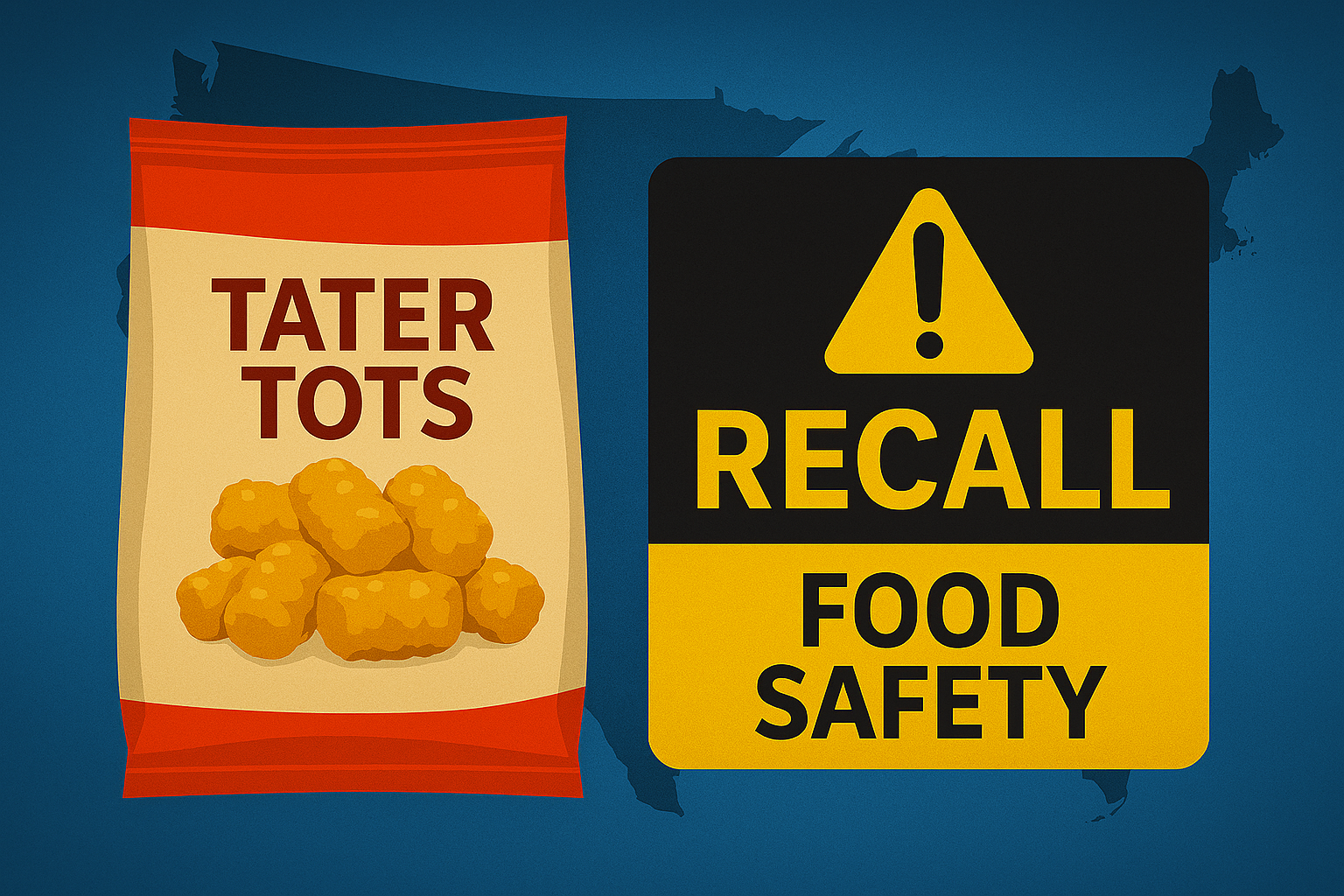
Frozen Tater Tots Recall 2026: FDA Warns of Possible Plastic Contamination in Popular Brands
Frozen Tater Tots Recall Raises Food Safety Concerns Across the US
Frozen tater tots are a staple in many American households. Easy to prepare, affordable, and kid friendly, they are often seen as a convenient comfort food. That sense of ease was shaken in January 2026 after federal health officials announced a large scale recall involving tens of thousands of cases of frozen tater tots that may contain hard plastic fragments.
According to reports from the US Food and Drug Administration, the recall affects frozen potato products manufactured by McCain Foods USA Inc. and distributed under well known brand names. While no injuries or illnesses have been reported so far, the recall has sparked renewed conversations about food safety, quality control, and what consumers should do when a recall impacts items already sitting in their freezer.
This article breaks down what happened, which products are affected, the potential health risks, and how consumers can protect themselves. It also explains how FDA recalls work and why even a Class II recall should be taken seriously.
What Prompted the Frozen Tater Tots Recall
The recall was initiated after clear, hard plastic fragments were discovered in certain frozen potato products. Plastic contamination can occur for several reasons during food production, including equipment wear, broken machine parts, or packaging line failures. When foreign material enters food products, even in small pieces, it poses a risk of injury if consumed.
McCain Foods USA Inc. began the recall voluntarily on December 3, 2025. The FDA later listed the action as ongoing in its enforcement report, signaling that the issue was still being actively managed and monitored as of early January 2026.
The recall involves more than 38,000 cases of frozen tater tots shipped to distribution centers and retailers across 26 states. Because frozen foods often remain in consumer freezers for months, officials are urging people to check their products carefully.
Brands and Products Included in the Recall
Two specific frozen potato products are included in the recall. Consumers should look closely at product packaging, item numbers, and UPC codes to determine whether they are affected.
Ore-Ida Tater Tots
- Packaged in large clear plastic bags
- Item number: OIF00215A
- UPC: 1 00 72714 00215 8
- Approximately 21,256 cases recalled
Sysco Imperial Potato Tater Barrels
- Distributed by Sysco Corporation
- Item number: 1000006067
- UPC: 1 07 34730 62740 0
- Approximately 17,597 cases recalled
These products were distributed to Alaska, Arizona, California, Colorado, Florida, Hawaii, Iowa, Idaho, Illinois, Kansas, Kentucky, Louisiana, Michigan, Minnesota, Missouri, Mississippi, Montana, Nebraska, New Mexico, North Dakota, Nevada, Oregon, Texas, Utah, Washington, and Wisconsin.
If you live in one of these states and recently purchased frozen tater tots in bulk or through food service suppliers, it is especially important to double check your freezer.
Understanding the FDA Class II Recall Classification
The FDA classified this action as a Class II recall. Many consumers are unfamiliar with what recall classes mean, so understanding the distinction can help clarify the level of risk.
A Class II recall is issued when a product may cause temporary or medically reversible health problems, or when the probability of serious adverse health consequences is remote. In this case, the concern centers on choking hazards, dental damage, or gastrointestinal irritation if plastic fragments are swallowed.
While a Class II recall is considered less severe than a Class I recall, which involves potentially life threatening risks, it still requires prompt action from both retailers and consumers.
Potential Health Risks of Plastic Contamination
Foreign objects in food can pose different levels of risk depending on their size, shape, and hardness. Hard plastic fragments are particularly concerning because they may not soften during cooking and can be difficult to detect once mixed into food.
Possible health risks include:
- Choking, especially in children or older adults
- Cuts or damage to the mouth, teeth, or throat
- Gastrointestinal discomfort or injury if swallowed
- Risk of infection if internal tissue is damaged
Even if no injuries have been reported so far, health officials emphasize that prevention is key. Discarding or returning affected products eliminates the risk entirely.
What Consumers Should Do Right Now
If you believe you may have purchased one of the recalled products, the FDA recommends taking immediate action.
Steps to follow include:
- Check your freezer for the listed products and compare item numbers and UPC codes.
- Do not prepare or consume the product if it matches the recall information.
- Dispose of the product safely or return it to the place of purchase if a return option is available.
- Clean any surfaces or utensils that may have come into contact with the product.
Consumers who experience unusual symptoms after consuming frozen potato products should contact a healthcare provider and report the incident to the FDA MedWatch system.
How Food Recalls Are Discovered and Managed
Food recalls often begin with internal quality checks, consumer complaints, or reports from retail partners. In this case, plastic fragments were identified before any reported injuries, which suggests that monitoring systems worked as intended.
Once a potential hazard is confirmed, manufacturers typically notify the FDA and initiate a voluntary recall. The FDA then evaluates the risk, assigns a recall classification, and publishes the information publicly so consumers and retailers can take action.
Ongoing recalls remain listed until the FDA is confident that affected products have been removed from the supply chain.
Why Frozen Foods Pose Unique Recall Challenges
Frozen foods like tater tots present a unique challenge during recalls. Unlike fresh products with short shelf lives, frozen items can remain in freezers for extended periods. This increases the likelihood that recalled products may still be consumed weeks or months after the initial announcement.
Bulk packaging also complicates recalls, especially for food service providers, schools, and restaurants that may store large quantities.
For this reason, food safety experts recommend routinely checking recall notices and labeling frozen items with purchase dates to make tracking easier.
The Role of Major Brands in Food Safety Accountability
Brands like Ore-Ida and distributors like Sysco play a significant role in the US food supply. When recalls involve household names, they tend to draw more public attention and scrutiny.
Voluntary recalls, while disruptive and costly, are generally seen as a responsible step. They help prevent harm and demonstrate compliance with food safety standards. Transparency, timely communication, and cooperation with regulators are essential to maintaining consumer trust.
Staying Informed About Food Recalls
Consumers can stay informed by:
- Checking FDA recall announcements regularly
- Subscribing to food safety alerts
- Following reputable health news outlets
- Registering for retailer notifications when available
Being proactive about recalls is one of the simplest ways to reduce food related health risks at home.
Broader Implications for Food Manufacturing Standards
This recall highlights the ongoing importance of equipment maintenance, quality assurance, and inspection processes in food manufacturing facilities. Even small lapses can result in widespread recalls affecting thousands of consumers across multiple states.
As food production becomes increasingly centralized and automated, manufacturers must balance efficiency with rigorous safety controls. Incidents like this one serve as reminders that continuous monitoring is essential.
Conclusion
The 2026 frozen tater tots recall serves as a cautionary example of how everyday foods can become safety concerns without warning. While the FDA has classified this as a Class II recall and no injuries have been reported, consumers should not ignore the risks associated with plastic contamination.
Checking your freezer, following recall guidance, and staying informed can help protect you and your family. Food recalls are an unfortunate but necessary part of maintaining safety in a complex food system, and prompt consumer action plays a vital role in preventing harm.
Sources
- U.S. Food and Drug Administration, Recall Enforcement Report, January 6, 2026
- The Independent, January 10, 2026
Disclaimer
This article is for informational and educational purposes only. It does not provide medical advice, diagnosis, or treatment. Statistical and safety information reflects general findings and may not apply to individual situations. Individual health risks can vary. Always consult a qualified healthcare professional for personalized medical guidance and follow official FDA recall instructions when handling recalled food products.