
FORWARD HEAD POSTURE | Causes, and Effective Treatments
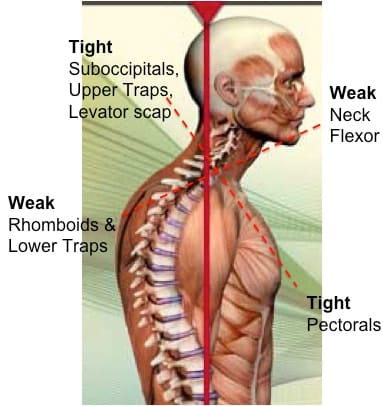
Forward head posture (FHP) is one of the most common cervical postural deviations and is characterized by head protrusion or forward head placement in relation to the shoulder in the sagittal plane. Sustained FHP is associated with an imbalance in muscles around the cervical spine, such as the shortened (or tightened) upper trapezius (TPZ), sternocleidomastoid (SCM), levator scapulae, suboccipital muscles, and lengthened (or weakened) deep neck flexor muscles.
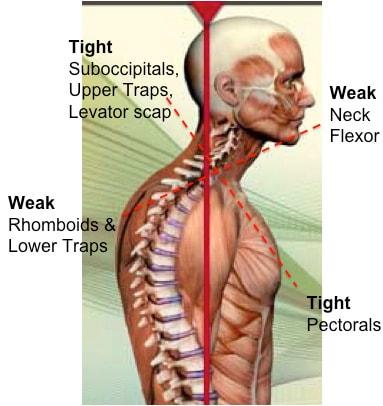
FHP is associated with various disorders, such as trigger points in the suboccipital muscles, temporomandibular disorder, tension-type headache, and dyskinesia. Additionally, previous systematic reviews have demonstrated that a significant relationship exists between FHP and neck pain and that FHP increases the risk of neck pain. Therefore, correcting or minimizing FHP may be helpful in the management of neck pain.
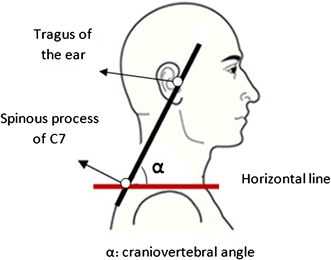
A craniovertebral angle of <50° (typically between 44°-53°) forms one of the diagnostic criteria for FHP. (https://www.ncbi.nlm.nih.gov/pmc/articles/PMC10572307/)
What are the causes of FHP?
FHP often results from hunching over an electronic device or slumping over the desk to look at the computer screen for prolonged periods. Other possible causes of FHP may include:
- Driving hunched over the wheel for long periods
- Occupations that require leaning over or hunching such as sewing
- Poor eyesight
- Carrying a heavy backpack
- Long-term poor posture, such as slouching
- Sleeping with head up too high or reading in bed
- Injury, such as whiplash
- Accommodation to pain
- Muscle weakness in the upper back
- Disease such as arthritis or bone degeneration
- Congenital anomalies around the cervical spine (https://www.healthline.com/health/bone-health/forward-head-posture#causes)
What are the associated symptoms or side effects of FHP?
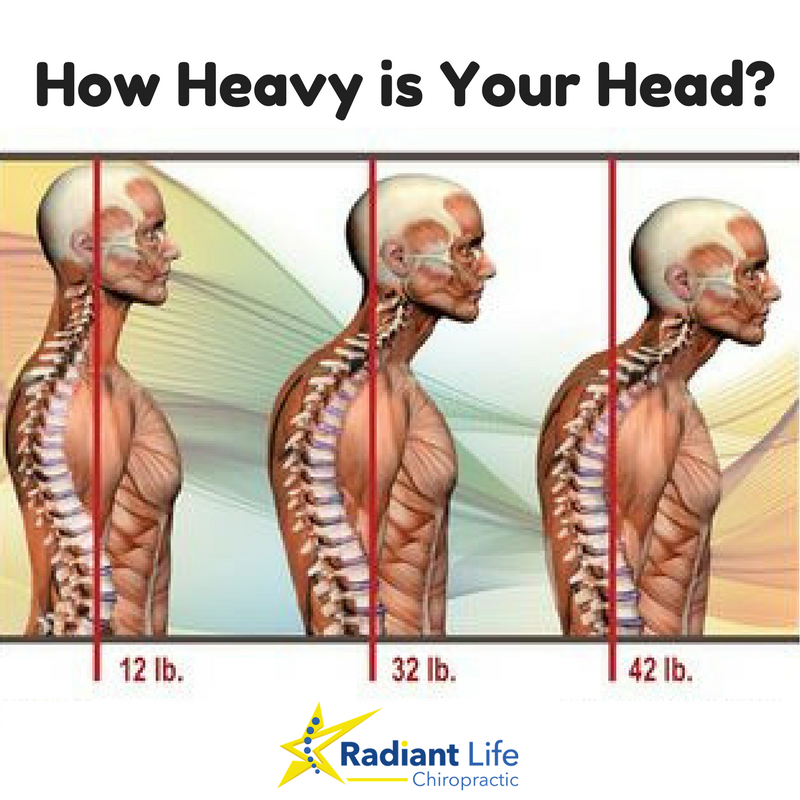
With changing alignment in FHP, there is biomechanical overload to the adjacent joints such as the thoracic spine, shoulders and temporo-mandibular joint. The total head weight increases exponentially with every unit of anterior translation from the body`s central axis. This changes the muscle length and strength around the cervical spine. The muscle anterior to the neck get shorter and weaker, and those behind the neck lengthen and tighten. FHP symptoms or side effects may include:
- Stiff or tight muscles around the neck
- Decreased neck range of movement
- Headaches
- Mid-back/ mid-scapular pain
- Jaw pain in temporo-mandibular joint
- Numbness and tingling in arms and hands
- Decreased balance control
- Muscle spasms
- Herniated or other disc problems (https://www.healthline.com/health/bone-health/forward-head-posture#side-effects)
Chronic neck pain
What is the treatment for FHP?
Physical therapy is the first line of treatment with a huge number of research studies indicating promising outcomes in the management of FHP. There is strong evidence to support the inclusion of following exercises to manage FHP:
- Neck stability exercises
Deep neck flexor strengthening
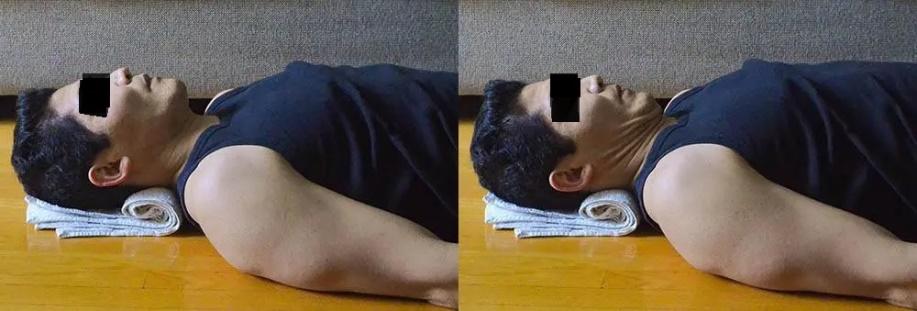
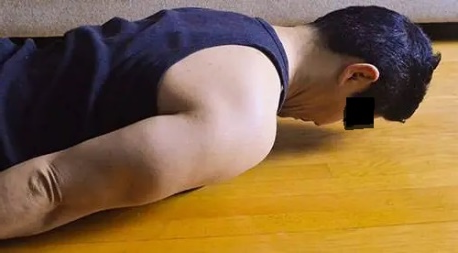
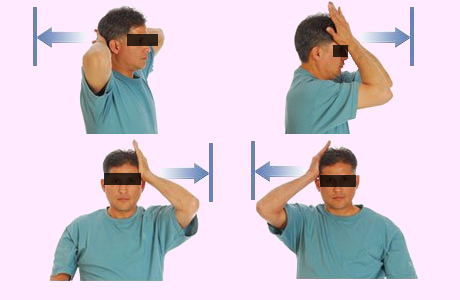
Thoracic extension exercises
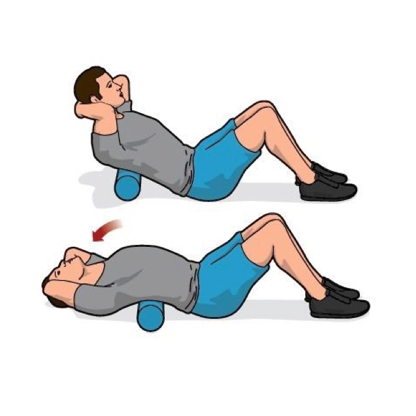
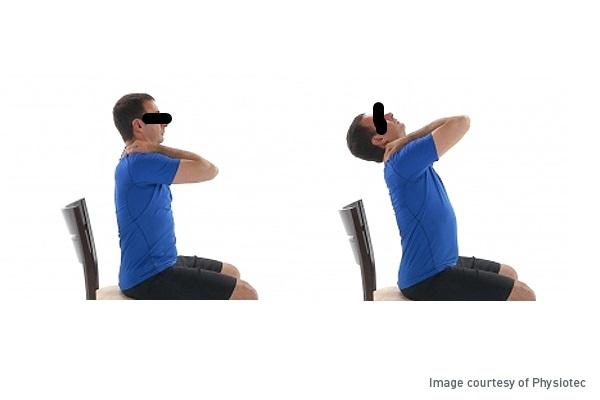
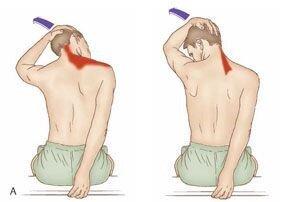
- Lateral neck stretches
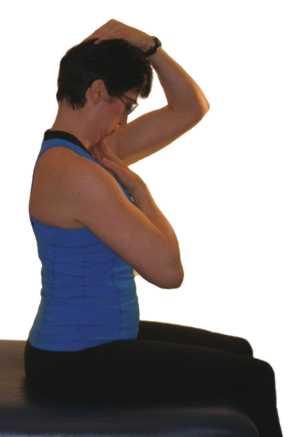
Upper cervical extensor release/stretch
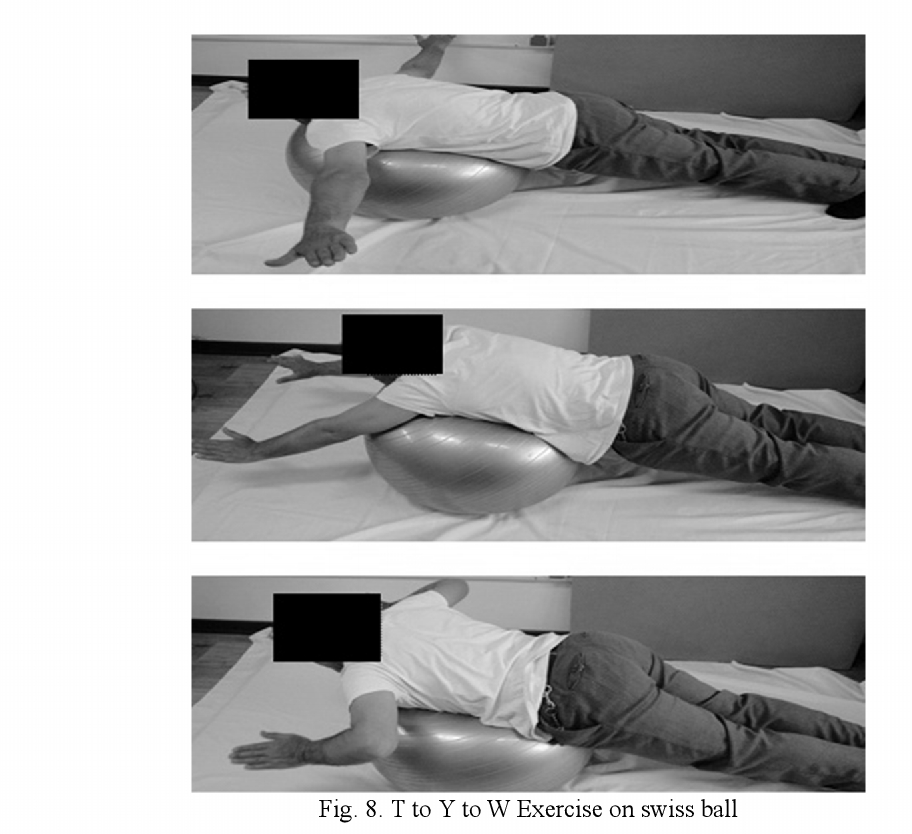
Scapular stability exercises
- Pectoral stretches
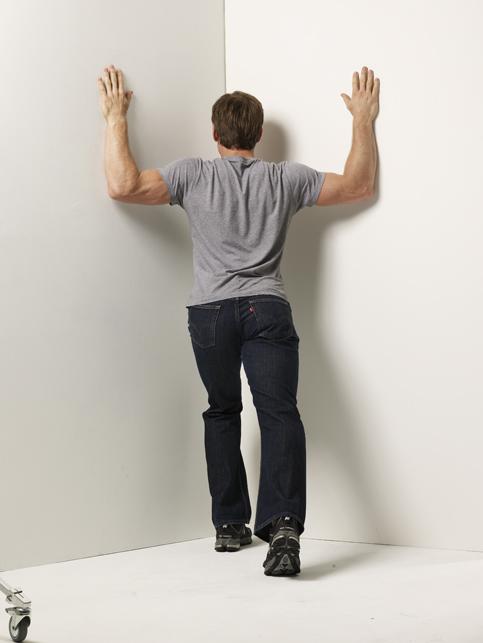
- Shoulder retractor strengthening
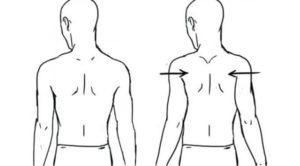
In addition to exercises, a physical therapist can help mobilise the cervical and thoracic spine to improve range of movements and reduce pain. Pain relief modalities like hot packs, ultrasound therapy, TENS machine have poor evidence to achieve the outcomes in comparison with exercises and mobilisation techniques.