
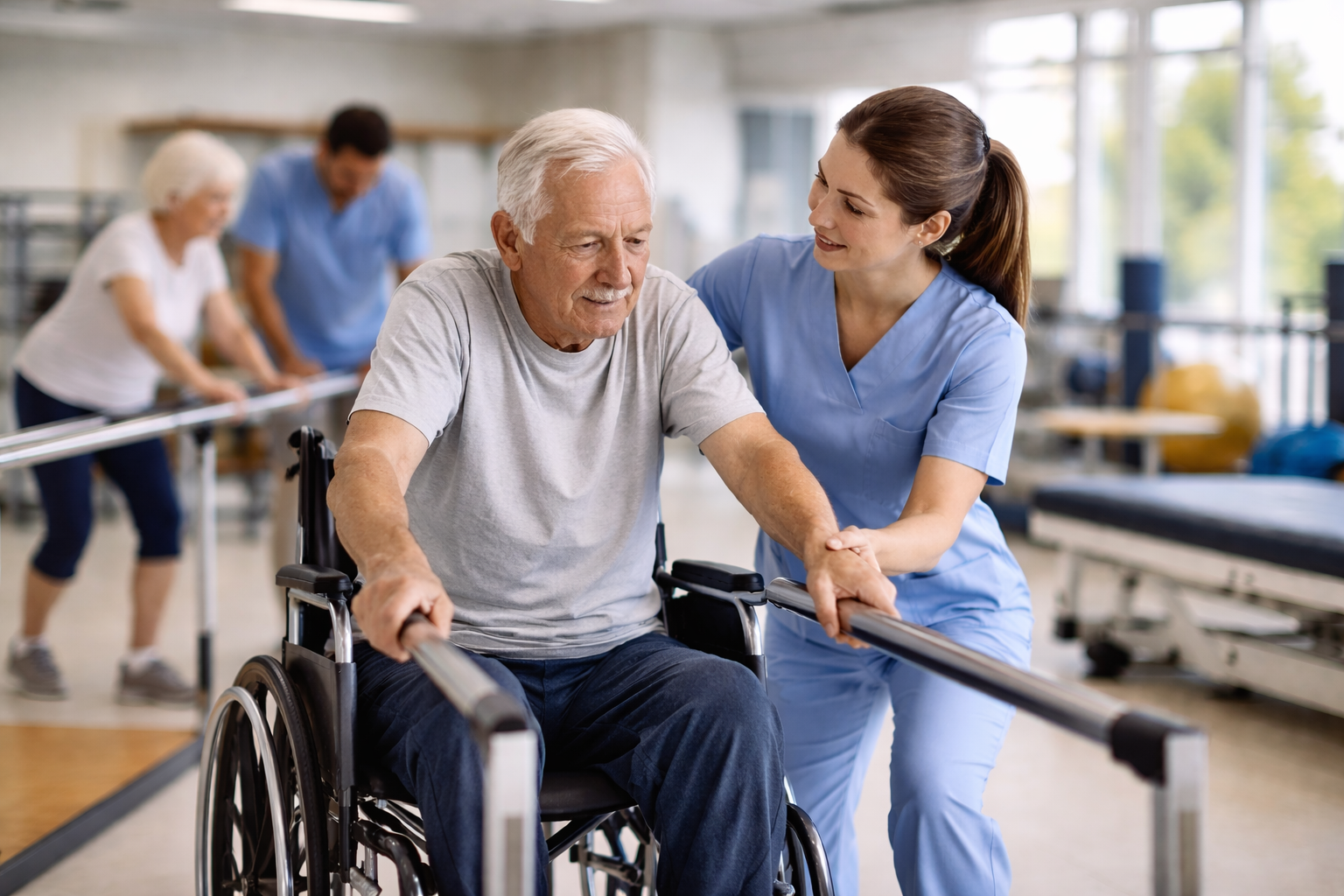
Challenges in Spinal Cord Injury Recovery for Seniors
Spinal cord injuries affect thousands of people each year, and recovery can be a long and challenging process. While modern medicine has improved treatment outcomes, age plays a critical role in determining how well a person regains independence and functional abilities after an injury.
Recent research highlights that older adults face unique recovery challenges that younger patients may not experience. Understanding these differences is essential for caregivers, healthcare providers, and seniors themselves.
Key Findings from Recent Research
A study led by Dr. Chiara Pavese of the University of Pavia in Italy tracked nearly 2,200 European patients for one year after a spinal cord injury. The study revealed:
- Older adults can regain nervous system function, including strength and sensory abilities, at levels comparable to younger people.
- Despite this, seniors struggle more with functional recovery, which involves performing essential daily tasks such as feeding, bathing, managing bathroom needs, and walking.
- Functional recovery scores, measured on a scale of 0 to 100, increased only slightly over a year. Each decade of age corresponded to a 4.3-point lower score after rehabilitation.
These findings underscore the need for age-specific rehabilitation approaches to maximize recovery potential.
Strength and Sensory Recovery
One positive takeaway is that seniors retain the capacity to recover nervous system function:
- Strength: Older patients regained upper and lower body strength similar to younger individuals.
- Sensory function: Seniors could sense light touch and pinpricks at comparable levels.
This demonstrates that the nervous system can heal well into later life. However, regaining strength and sensation does not automatically translate to full independence, which is where challenges remain.
Functional Recovery and Independence
Functional recovery refers to the ability to perform daily activities and live independently. This area shows more pronounced age-related differences:
- Older adults often experience slower recovery in activities like walking, self-care, and managing household tasks.
- Seniors over the age of 70 showed particularly reduced improvements in mobility and functional independence.
Factors contributing to these challenges include natural muscle loss, joint stiffness, arthritis, balance issues, and slower adaptation to therapy.
The Role of Comorbidities
Seniors often face other health conditions that complicate recovery. Common comorbidities include:
- Cardiovascular disease
- Diabetes
- Osteoporosis
- Cognitive decline
These conditions can slow healing and reduce participation in rehabilitation programs. For instance:
- Muscle loss makes it harder to regain strength.
- Arthritis limits joint mobility and causes pain during exercises.
- Cognitive decline can affect the ability to follow therapy instructions.
Comorbidities highlight the need for rehabilitation plans that address the overall health of older patients, not just the spinal cord injury.
Age-Specific Rehabilitation Strategies
Effective recovery programs for seniors should consider age-related challenges. Key strategies include:
- Customized exercise plans: Adjust the intensity and pace of physical therapy based on age and health.
- Balance and mobility training: Focus on exercises that reduce fall risk and improve walking ability.
- Daily living activities: Incorporate occupational therapy to regain self-care skills.
- Comorbidity management: Adapt rehabilitation for conditions like diabetes or cardiovascular disease.
These approaches help seniors achieve better functional outcomes and improve their quality of life.
Psychological and Social Support
Recovery from a spinal cord injury is not only physical. Emotional and social factors are crucial, especially for older adults:
- Seniors may experience frustration, anxiety, or depression during recovery.
- Family support, counseling, and community programs improve motivation and engagement.
- Social interaction can prevent isolation and enhance mental well-being.
Integrating psychological support alongside physical rehabilitation is essential for holistic recovery.
Implications for Healthcare Providers
Healthcare teams must recognize that older adults face unique challenges during recovery. Recommendations include:
- Creating individualized treatment plans based on age, physical condition, and comorbidities.
- Monitoring progress closely and adjusting therapies as needed.
- Encouraging a multidisciplinary approach, combining physical, occupational, and psychological support.
Tailoring interventions in this way can help older patients regain as much independence as possible.
Future Research Directions
Dr. Pavese emphasizes the need for research that addresses age-specific recovery:
- Clinical trials should include seniors to evaluate therapies designed for older patients.
- Emerging treatments, such as regenerative medicine, electrical stimulation, and advanced physical therapy techniques, may improve outcomes for seniors.
- Research should focus on functional recovery and daily living capabilities, not just strength and sensory function.
Developing therapies with older adults in mind can help maximize independence and quality of life.
Conclusion
Recovery from a spinal cord injury is complex, and age plays a significant role. While seniors can regain strength and sensory abilities similar to younger individuals, functional recovery often lags due to comorbidities, age-related physical changes, and slower adaptation to therapy.
Tailored rehabilitation programs that account for these factors are essential. By combining physical, psychological, and social support, older adults can improve their chances of regaining independence and enjoying a higher quality of life.
The study conducted by Dr. Pavese highlights the importance of understanding how age affects recovery. With continued research and age-specific therapies, seniors with spinal cord injuries can face their rehabilitation journey with hope and greater potential for success.
Quick Tips for Supporting Senior Recovery
- Encourage participation in age-appropriate therapy programs.
- Monitor and manage existing health conditions closely.
- Provide emotional support and opportunities for social engagement.
- Focus on daily living activities, not just strength or mobility.
- Adapt rehabilitation goals to each patient’s individual capabilities.
Sources: American Academy of Neurology. (2025, December 23). Recovery tougher for seniors with spinal cord injury