
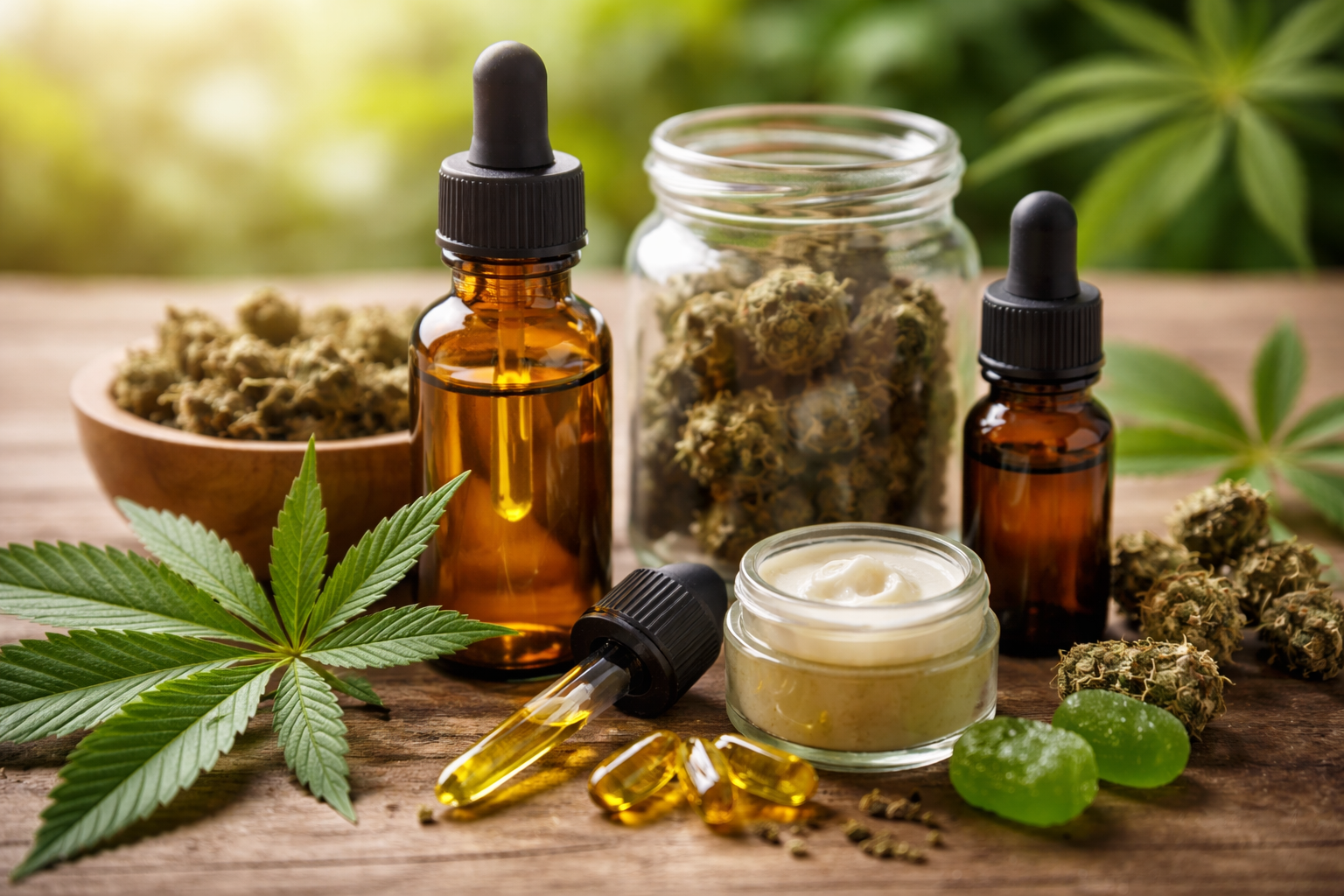
CBD and Pain Relief: What the Latest Research Really Shows
Cannabidiol, or CBD, has become one of the most talked-about wellness products in recent years. Many people turn to CBD hoping it will help with pain, sleep issues, or anxiety. However, recent research provides important insights about its effectiveness, especially for pain relief. Here’s what you need to know.
What is CBD and How is it Different from THC?
CBD is a compound found in cannabis that does not cause intoxication or euphoria, unlike THC, the compound responsible for the “high” in marijuana.
- CBD: Non-psychoactive, widely used for wellness purposes.
- THC: Psychoactive, can produce a “high,” but may provide some pain relief.
Because CBD does not cause a high, many believed it could offer medicinal benefits without side effects. New evidence, however, challenges this assumption, especially regarding pain relief.
The Latest Research on CBD and Pain
A recent evidence review led by Dr. Roger Chou from Oregon Health & Science University analyzed 25 clinical trials on cannabis products and chronic pain.
Key findings include:
- CBD-based products showed almost no effect on chronic pain.
- THC-containing products had minor short-term benefits, with pain reductions of about 0.5 to 1 point on a 10-point pain scale.
- THC products also carried moderate to high risk of side effects, including dizziness, sleepiness, and nausea.
Why CBD Does Not Work as Expected
CBD interacts with the body’s endocannabinoid system, which plays a role in regulating pain, mood, and sleep. Despite this, the review concluded that CBD alone is not effective for pain relief.
Dr. Chou explained that the belief in CBD’s pain-relieving properties may stem more from popular opinion and anecdotal evidence than from scientific data.
How THC Compares
While CBD may be largely ineffective, THC-containing products show some potential:
- May provide short-term improvement in pain and physical function.
- Side effects include:
- Dizziness
- Nausea
- Fatigue or sleepiness
Even FDA-approved THC drugs like dronabinol and nabilone, used for chemotherapy-related nausea, only showed small improvements in pain, emphasizing that THC is not a magic solution.
Why Cannabis Products are Complicated
Unlike standard medications like ibuprofen, cannabis products are plant-derived and contain multiple chemical compounds.
Factors that affect the potency and effects of cannabis include:
- Strain of the plant
- Cultivation methods
- Preparation techniques
This variability makes it difficult to predict how cannabis products will work for any individual, and standard dosing is challenging.
What the Medical Community Thinks
The medical profession is divided on cannabis for pain management:
- American College of Physicians: Does not recommend smoking cannabis for chronic pain.
- Other experts: May allow cannabis when standard treatments fail.
CBD-based products remain popular in dispensaries and online, but scientific evidence does not support their use for chronic pain.
Safety Considerations
CBD is generally considered safe when used properly, and it does not produce intoxication. Possible mild side effects include:
- Fatigue
- Diarrhea
- Changes in appetite
THC-containing products, while sometimes effective, carry a higher risk of side effects and may affect daily activities.
Consumers should also be aware that:
- Many CBD products are not standardized.
- Labeling may be inaccurate.
- Dosages can vary widely between products.
Practical Advice for People with Chronic Pain
If you are considering CBD for pain management, keep these points in mind:
- Evidence does not support CBD as an effective pain relief method.
- THC may offer modest relief but comes with side effects.
- Explore other evidence-based options:
- Over-the-counter medications
- Prescription therapies
- Physical therapy
- Lifestyle changes such as exercise and diet
- Always consult a healthcare provider before trying cannabis products.
What the Future Holds
Recent changes in U.S. law, such as the reclassification of marijuana to a Schedule III drug, may increase opportunities for research. Standardized clinical trials could help clarify the role of cannabis compounds in medical treatment.
Ongoing research is needed to determine:
- Optimal dosing for THC and CBD
- Long-term effects on pain and other conditions
- How different cannabis compounds interact in the body
Summary
- CBD does not effectively reduce chronic pain.
- THC-containing products may provide minor short-term relief, but with side effects.
- Cannabis products are complex and variable, making dosing and effects unpredictable.
- Evidence-based treatments should be prioritized for chronic pain management.
- Patients should consult medical professionals before using cannabis-derived products.
The popularity of CBD highlights the need for scientific guidance. While it may have some applications in wellness routines, it should not replace proven pain management therapies. Educating consumers about its limitations ensures safer and more informed choices.
Key Takeaways
- Don’t rely on CBD alone for pain relief.
- THC may help slightly but carries side effects.
- Standard medications and therapies remain the most effective approach.
- Always consult a healthcare professional for chronic pain management.
By focusing on evidence rather than anecdotal claims, individuals can make informed choices about their health while navigating the growing market of cannabis-based products.
Source: Oregon Health & Science University. (2025, December 22). CBD No Good For Pain Relief, Experts Conclude. News release.