
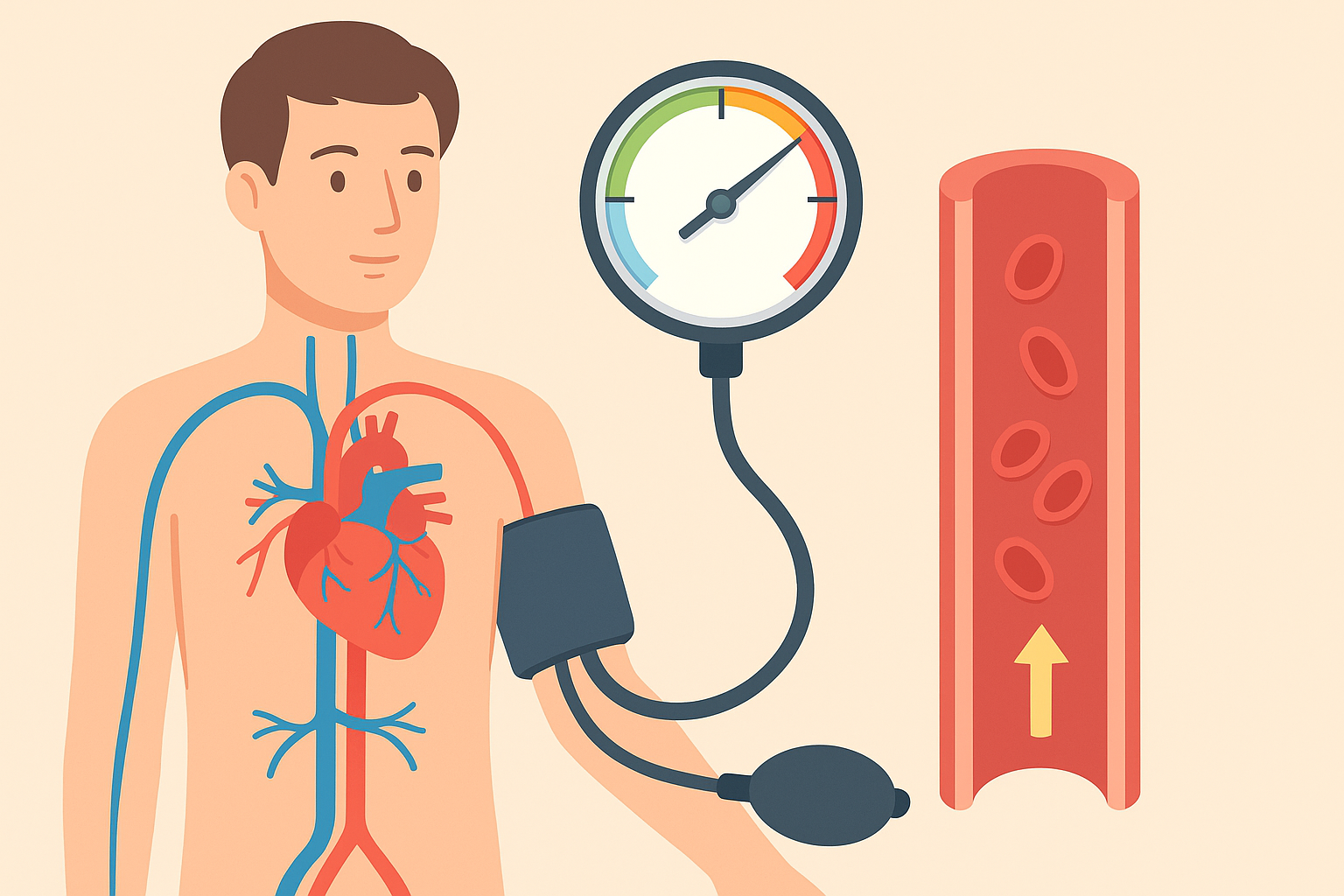
Blood Pressure: Understanding the Lifeline of Circulation
Blood pressure is one of the most fundamental indicators of human health. It represents the force exerted by circulating blood on the walls of the arteries, the vessels that carry oxygen-rich blood from the heart to all parts of the body. Measuring blood pressure gives doctors crucial insight into how well the heart and blood vessels are functioning. Understanding blood pressure, what it is, how it changes, and how to keep it in a healthy range is essential for maintaining cardiovascular health and preventing life-threatening diseases.
What Is Blood Pressure?
Blood pressure is the pressure that blood exerts against the walls of arteries as it flows through them. It is generated primarily by the pumping action of the heart. Each time the heart beats, it contracts (a process called systole) and pumps blood into the arteries. This causes a temporary increase in pressure, known as systolic pressure. Between beats, when the heart relaxes (called diastole), the pressure in the arteries falls, producing the diastolic pressure.
When blood pressure is measured, it is recorded as two numbers, for example, 120/80 millimeters of mercury (mmHg). The top number (120) is the systolic pressure, and the bottom number (80) is the diastolic pressure. Together, these values describe the overall force of blood flow and the resistance of the arteries.
How Blood Pressure Works
The cardiovascular system is an intricate network that includes the heart, blood vessels, and the blood itself. Blood pressure depends on two main factors:
- Cardiac output: the amount of blood the heart pumps per minute.
- Peripheral resistance: the resistance the arteries offer to the flow of blood.
If the heart pumps more blood or the arteries narrow, blood pressure increases. Conversely, if the heart pumps less blood or the arteries widen, blood pressure decreases. The body continuously adjusts these factors through complex mechanisms involving the brain, kidneys, hormones, and nervous system to maintain stable pressure.
For example, when a person stands up quickly, gravity causes blood to pool in the legs, briefly lowering blood pressure. Sensors in the arteries, called baroreceptors, detect this change and send signals to the brain, which in turn prompts the heart to beat faster and the blood vessels to constrict. This reflex helps restore normal pressure almost instantly.
Normal and Abnormal Blood Pressure Ranges
According to the World Health Organization (WHO) and the American Heart Association (AHA), blood pressure categories are as follows:
- Normal: Less than 120/80 mmHg
- Elevated: Systolic between 120 - 129 and diastolic less than 80 mmHg
- Hypertension (Stage 1): Systolic between 130 - 139 or diastolic between 80 - 89 mmHg
- Hypertension (Stage 2): Systolic 140 or higher or diastolic 90 or higher
- Hypertensive Crisis: Systolic above 180 and/or diastolic above 120 mmHg (requires immediate medical attention)
A consistently high blood pressure reading is known as hypertension, while unusually low readings are termed hypotension. Both conditions can cause significant health problems if not properly managed.
Causes of High Blood Pressure
High blood pressure, or hypertension, is often called the “silent killer” because it may not cause symptoms for many years, yet it steadily damages the arteries and vital organs. Hypertension can be primary (essential) or secondary.
- Primary hypertension develops gradually over time and has no single identifiable cause. It’s often linked to a combination of genetic, lifestyle, and environmental factors such as:
- Obesity
- Excess salt intake
- Lack of physical activity
- Stress
- Smoking
- Alcohol consumption
- Aging
- Secondary hypertension results from an underlying condition, such as:
- Kidney disease
- Hormonal disorders (like hyperthyroidism or Cushing’s syndrome)
- Use of certain medications (like birth control pills or decongestants)
- Sleep apnea
Because high blood pressure can go unnoticed for years, routine monitoring is essential to detect and control it early.
Effects of Hypertension
Uncontrolled hypertension puts strain on the cardiovascular system and leads to severe complications. Some of the major consequences include:
- Heart disease: High blood pressure forces the heart to work harder, leading to thickening of the heart muscle (left ventricular hypertrophy), which increases the risk of heart failure.
- Stroke: When high pressure damages or weakens blood vessels in the brain, it can cause a rupture or blockage, resulting in a stroke.
- Kidney damage: The kidneys filter waste from the blood, but hypertension can damage their delicate vessels, leading to chronic kidney disease.
- Vision loss: Hypertension can harm the tiny blood vessels in the eyes, leading to retinopathy.
- Aneurysm: Prolonged high pressure can cause artery walls to weaken and bulge, forming an aneurysm that could rupture and cause internal bleeding.
Causes and Effects of Low Blood Pressure
Low blood pressure (hypotension) occurs when the blood pressure is too low to supply adequate oxygen and nutrients to vital organs. Symptoms may include dizziness, fainting, blurred vision, or fatigue. Common causes include:
- Dehydration
- Blood loss
- Heart problems
- Endocrine disorders
- Severe infection (septic shock)
- Certain medications
Although mild hypotension may not be dangerous, sudden or severe drops in blood pressure can be life-threatening.
How Blood Pressure Is Measured
Blood pressure is usually measured using a sphygmomanometer, a device with a cuff that inflates around the upper arm. The cuff pressure temporarily stops blood flow through the artery. As the pressure is released, the point at which blood starts to flow again corresponds to the systolic pressure, and the point where it flows freely again corresponds to the diastolic pressure. Measurements can be taken manually with a stethoscope or electronically using automatic monitors.
For the most accurate results, the person should be seated, relaxed, and not talking, with the arm supported at heart level. It’s also important to avoid caffeine, exercise, or smoking for at least 30 minutes before the measurement.
Managing Blood Pressure
Maintaining healthy blood pressure involves a combination of lifestyle changes and, when necessary, medication. Effective strategies include:
- Healthy diet: Reducing salt intake, eating plenty of fruits and vegetables, and choosing whole grains can help regulate blood pressure. The DASH diet (Dietary Approaches to Stop Hypertension) is specifically designed for this purpose.
- Regular exercise: Physical activity strengthens the heart, improves circulation, and helps control weight.
- Weight management: Losing even a small amount of weight can significantly lower blood pressure.
- Limiting alcohol and quitting smoking: Both alcohol and tobacco increase blood pressure and damage arteries.
- Stress reduction: Meditation, yoga, and deep breathing can lower stress-related spikes in blood pressure.
- Medication: For individuals with moderate to severe hypertension, doctors may prescribe drugs such as diuretics, ACE inhibitors, beta-blockers, or calcium channel blockers.
Monitoring blood pressure regularly at home can help track progress and ensure treatments are working effectively.
The Importance of Early Detection
Because high blood pressure rarely causes symptoms, many people are unaware they have it until it causes complications. Regular check-ups are therefore essential. Detecting hypertension early allows for lifestyle changes and treatment that can prevent heart attacks, strokes, and kidney disease.
Healthcare professionals also emphasize self-monitoring using home blood pressure devices. Keeping a record of readings helps doctors tailor treatment plans and provides a clearer picture of how blood pressure behaves throughout the day.
Conclusion
Blood pressure is a vital measure of health, reflecting the complex interactions between the heart, blood vessels, and the entire circulatory system. Maintaining it within a healthy range is crucial for preventing serious diseases and promoting long-term well-being. While both high and low blood pressure can pose risks, hypertension remains one of the leading causes of death worldwide, largely because it often goes unnoticed until damage is done. Through awareness, regular monitoring, healthy habits, and medical care when needed, individuals can take control of their blood pressure and protect their heart, brain, and overall health for years to come.