
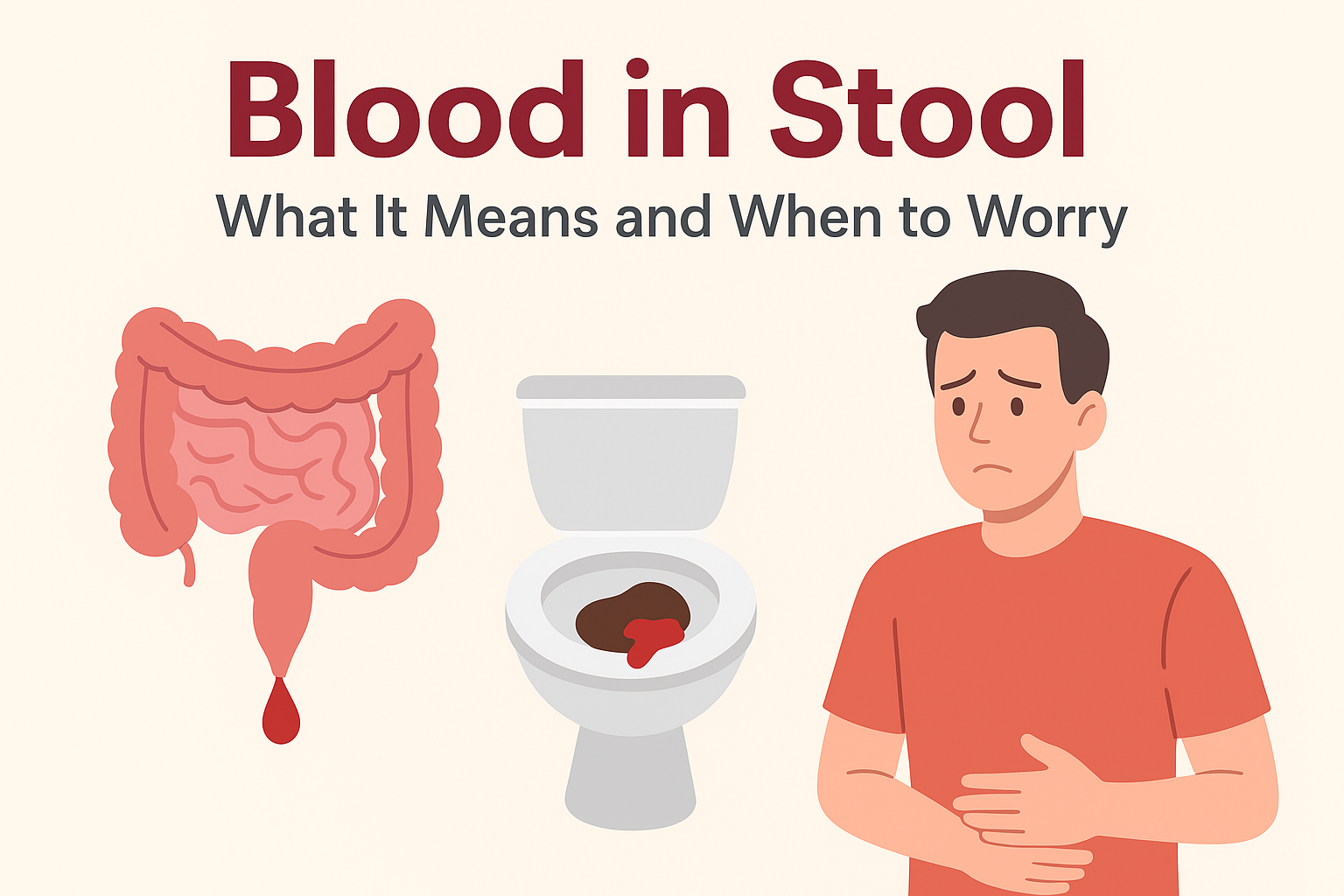
Blood in Stool: What It Means and When to Worry
Blood in stool can be alarming and even frightening. Many people feel immediate concern when they notice blood, but the truth is that the cause may range from something minor, like hemorrhoids, to a more serious medical condition, such as colorectal cancer. Understanding what blood in your stool could mean, when it’s a cause for concern, and what steps to take is essential for maintaining your digestive health.
What Does Blood in Stool Look Like?
Not all blood in stool appears the same, and the color, texture, and amount can give clues about the underlying cause.
- Bright red blood: Often indicates bleeding in the lower gastrointestinal (GI) tract, such as the rectum or anus. Common causes include hemorrhoids or anal fissures.
- Dark red or maroon blood: Suggests bleeding higher in the GI tract, such as the colon. Conditions like diverticulosis or inflammatory bowel disease may be involved.
- Black, tarry stool: This type of stool often points to bleeding in the upper GI tract, such as the stomach or small intestine, possibly due to ulcers.
- Blood mixed with stool: Can indicate irritation or inflammation within the colon.
- Blood on the surface of stool: Typically seen with hemorrhoids or minor fissures.
Recognizing the appearance of blood in your stool can help guide you and your healthcare provider toward the right diagnosis.
Common Causes of Blood in Stool
While blood in stool is always worth noting, not every case is serious. Causes generally fall into minor, moderate, and serious categories.
Minor Causes
- Hemorrhoids: Swollen veins in the rectum or anus, often caused by straining during bowel movements, pregnancy, or constipation. Bright red blood is usually noticed on the toilet paper or at the surface of stool.
- Anal fissures: Small tears in the lining of the anus, commonly due to passing hard or large stools. These can cause sharp pain during bowel movements and bright red blood.
- Minor trauma: Scratches or irritation from wiping too hard can occasionally cause bleeding.
Moderate Causes
- Gastrointestinal infections: Bacterial infections, such as Salmonella or E. coli, can cause inflammation and bleeding in the intestines, often accompanied by diarrhea or cramping.
- Inflammatory bowel disease (IBD): Conditions like Crohn’s disease and ulcerative colitis cause chronic inflammation in the digestive tract, which can lead to bloody stool along with other symptoms like abdominal pain, fatigue, and weight loss.
Serious Causes
- Colorectal cancer: Blood in stool may be a warning sign, especially if accompanied by unexplained weight loss, persistent change in bowel habits, or abdominal discomfort. Early detection is critical.
- Polyps: Benign growths in the colon may bleed and, if left untreated, can develop into cancer over time. Regular screening is essential for prevention.
When to Seek Medical Attention
While minor causes are common, certain signs should prompt immediate medical attention:
- Persistent or recurrent bleeding: Even small amounts of blood over time should not be ignored.
- Large amounts of blood: Indicates more serious bleeding and requires urgent evaluation.
- Associated symptoms: Severe abdominal pain, unexplained weight loss, fatigue, or changes in bowel habits.
- Age considerations: Individuals over 50, or with a family history of colorectal cancer, should be especially vigilant.
If any of these signs are present, scheduling an appointment with a healthcare provider is crucial. Early intervention can prevent serious complications.
Diagnosis and Tests
When you consult a doctor about blood in stool, they may recommend several tests to determine the cause:
- Physical examination: Includes checking for hemorrhoids, fissures, or other visible sources of bleeding.
- Stool tests: Used to detect hidden (occult) blood and infections.
- Colonoscopy or endoscopy: Allows direct visualization of the digestive tract to identify polyps, inflammation, or tumors.
- Blood tests: Can reveal anemia or other conditions related to chronic bleeding.
Your healthcare provider will tailor the testing plan based on your symptoms, medical history, and risk factors.
Treatment Options
Treatment depends on the underlying cause:
- Home remedies: For minor issues like hemorrhoids or fissures, increasing dietary fiber, staying hydrated, and using topical treatments can relieve symptoms.
- Medications: Antibiotics for infections, anti-inflammatory drugs for IBD, or other prescribed medications may be necessary.
- Surgical interventions: Required for large polyps, severe hemorrhoids, or cancers. Early detection significantly improves outcomes.
Consistent follow-up with your healthcare provider ensures that treatment is effective and complications are minimized.
Prevention Tips
While not all causes of blood in stool are preventable, lifestyle measures can reduce your risk:
- Eat a high-fiber diet: Fruits, vegetables, and whole grains help soften stool and prevent constipation.
- Stay hydrated: Adequate water intake promotes healthy bowel movements.
- Avoid straining: Regular bowel habits and proper posture during defecation reduce pressure on rectal veins.
- Routine screenings: Colonoscopy or other screenings after age 50 (or earlier if risk factors exist) can detect polyps or early cancer.
Implementing these habits supports long-term digestive health and can help prevent bleeding complications.
Conclusion
Not all blood in stool is a cause for alarm, but it should never be ignored. While minor issues like hemorrhoids are common, persistent, severe, or unexplained bleeding may indicate more serious conditions that require prompt medical evaluation. Understanding the possible causes, recognizing warning signs, and seeking timely medical advice can protect your digestive health and ensure early intervention when necessary.
If you notice blood in your stool, track the frequency, color, and any accompanying symptoms, and consult your healthcare provider to get an accurate diagnosis and appropriate treatment.