
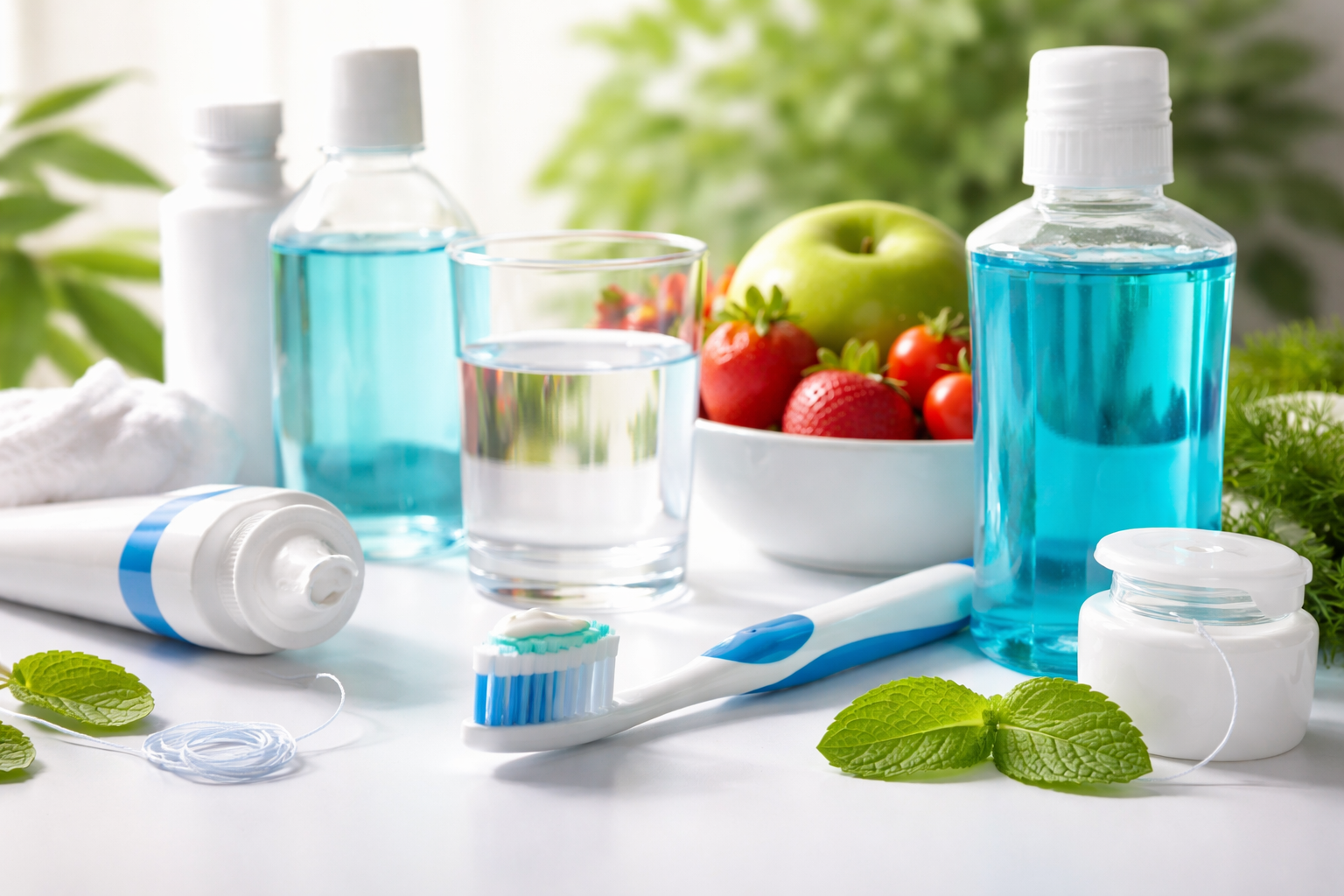
Best Practices to Maintain Good Oral Hygiene Every Day
Good oral hygiene is essential for overall health and well being. A healthy mouth allows you to eat comfortably, speak clearly, and smile with confidence. More importantly, proper oral care helps prevent tooth decay, gum disease, bad breath, and infections that can affect other parts of the body. Many people underestimate how closely oral health is connected to general health, but research shows that poor oral hygiene can contribute to conditions such as heart disease, diabetes complications, and respiratory infections.
Maintaining good oral hygiene does not require expensive treatments or complicated routines. It requires consistency, correct techniques, and awareness of habits that support a healthy mouth. This blog explains what oral hygiene means, why it matters, and how you can maintain it effectively throughout your life.
Understanding Oral Hygiene
Oral hygiene refers to the practice of keeping the mouth, teeth, gums, and tongue clean and healthy to prevent disease. It involves daily habits such as brushing and flossing, as well as regular dental visits and healthy lifestyle choices.
The mouth is home to millions of bacteria. Some bacteria are harmless, but others produce acids that damage tooth enamel and irritate the gums. When plaque, a sticky film of bacteria, builds up on teeth, it can lead to cavities and gum disease. If plaque hardens, it becomes tartar, which can only be removed by a dental professional. Good oral hygiene focuses on controlling plaque and maintaining a balanced environment in the mouth.
Brush Your Teeth Properly
Brushing your teeth is the foundation of oral hygiene. Dentists recommend brushing at least twice a day, once in the morning and once before bed. Brushing removes food particles and plaque from the surfaces of the teeth.
Use a soft bristled toothbrush that fits comfortably in your mouth. A brush with hard bristles may damage the gums and enamel over time. Apply a pea sized amount of fluoride toothpaste, which helps strengthen enamel and prevent cavities.
When brushing, hold the toothbrush at a slight angle toward the gum line. Use gentle circular motions rather than aggressive back and forth strokes. Brush all surfaces of each tooth, including the front, back, and chewing surfaces. Do not forget to brush the tongue, as bacteria on the tongue can cause bad breath.
Spend at least two minutes brushing. Many people rush through brushing, which reduces its effectiveness. An electric toothbrush can be helpful for maintaining consistent pressure and timing, but a manual toothbrush works just as well when used correctly.
Floss Daily
Flossing is just as important as brushing, yet it is often neglected. A toothbrush cannot reach the tight spaces between teeth where plaque and food debris accumulate. Flossing cleans these areas and helps prevent cavities and gum inflammation.
Use about eighteen inches of dental floss and wrap it around your fingers, leaving a small section to work with. Gently slide the floss between teeth and curve it around the side of each tooth, moving it up and down. Avoid snapping the floss, as this can injure the gums.
If traditional floss is difficult to use, alternatives such as floss picks, interdental brushes, or water flossers can be effective. The key is to clean between the teeth daily, regardless of the tool you choose.
Use Mouthwash Wisely
Mouthwash can be a helpful addition to your oral hygiene routine, but it should not replace brushing and flossing. A good mouthwash can reduce bacteria, freshen breath, and provide additional fluoride protection.
Choose a mouthwash that suits your needs. Antibacterial mouthwashes help control plaque and gingivitis, while fluoride mouthwashes strengthen teeth. Avoid mouthwashes with high alcohol content if you have dry mouth or sensitive tissues, as they can cause irritation.
Use mouthwash after brushing and flossing, following the instructions on the label. Swish for the recommended time and avoid eating or drinking for at least thirty minutes afterward.
Maintain a Tooth Friendly Diet
What you eat and drink has a significant impact on your oral health. Sugary and acidic foods promote tooth decay by feeding harmful bacteria and weakening enamel. Frequent snacking increases the amount of time your teeth are exposed to acids.
Limit sugary snacks, candies, sodas, and desserts. If you consume sweets, try to do so with meals rather than between meals, as saliva production increases during meals and helps neutralize acids.
Incorporate foods that support oral health into your diet. Crunchy fruits and vegetables like apples, carrots, and celery help stimulate saliva and clean the teeth naturally. Dairy products such as milk, cheese, and yogurt provide calcium and phosphorus, which strengthen teeth. Drinking plenty of water helps wash away food particles and keeps the mouth hydrated.
Avoid Tobacco and Limit Alcohol
Tobacco use is one of the most harmful habits for oral health. Smoking and chewing tobacco increase the risk of gum disease, tooth loss, oral cancer, and bad breath. Tobacco stains teeth and reduces blood flow to the gums, impairing healing and immune response.
Quitting tobacco significantly improves oral and overall health. If quitting is difficult, seek support from healthcare professionals or cessation programs.
Excessive alcohol consumption can also harm oral health. Alcohol dries out the mouth, reduces saliva production, and increases the risk of tooth decay and gum disease. Some alcoholic beverages are acidic and sugary, further damaging enamel. Moderation is key to maintaining a healthy mouth.
Visit the Dentist Regularly
Regular dental checkups are essential, even if you do not experience pain or visible problems. Dentists can detect early signs of cavities, gum disease, and oral cancer before they become serious.
Most dentists recommend visiting every six months for a checkup and professional cleaning. During a cleaning, plaque and tartar are removed from areas that brushing and flossing cannot reach. This helps prevent gum disease and keeps teeth looking their best.
If you have specific dental concerns such as gum disease, braces, or chronic conditions, your dentist may recommend more frequent visits. Follow their advice to maintain optimal oral health.
Take Care of Your Gums
Healthy gums are just as important as healthy teeth. Gum disease begins with gingivitis, which causes redness, swelling, and bleeding. If left untreated, it can progress to periodontitis, leading to gum recession and tooth loss.
Signs of gum problems include bleeding during brushing, persistent bad breath, tender gums, and loose teeth. Good oral hygiene practices help prevent gum disease, but early treatment is crucial if symptoms appear.
Gently massaging the gums while brushing and flossing helps improve circulation. Using toothpaste designed for gum health can also be beneficial. If you notice persistent gum issues, consult a dentist promptly.
Protect Your Teeth from Damage
Oral hygiene is not only about cleanliness but also about protecting teeth from physical damage. Avoid using your teeth as tools to open packages or bite hard objects. This can cause chips, cracks, or fractures.
If you grind your teeth at night, a condition known as bruxism, talk to your dentist about a mouthguard. Grinding can wear down enamel and cause jaw pain. Wearing a protective guard during sports is also important to prevent dental injuries.
Teach Good Oral Hygiene Early
Developing good oral hygiene habits should begin in childhood. Parents play a crucial role in teaching children how to brush and floss properly. Children should start brushing as soon as their first tooth appears, using a small amount of fluoride toothpaste.
Supervise brushing until children develop the coordination to do it effectively, usually around the age of seven or eight. Encouraging regular dental visits from an early age helps reduce fear and promotes lifelong oral health.
Understand the Link Between Oral and Overall Health
Oral health is closely connected to overall health. Infections in the mouth can spread to other parts of the body through the bloodstream. Gum disease has been linked to heart disease, stroke, and complications in pregnancy.
People with diabetes are more susceptible to gum disease, and poor oral health can make blood sugar levels harder to control. Maintaining good oral hygiene supports the immune system and contributes to better general health.
Create a Consistent Routine
Consistency is the key to good oral hygiene. Brushing and flossing occasionally is not enough to prevent problems. Make oral care a daily habit that fits into your routine.
Set reminders if needed, keep dental supplies easily accessible, and replace toothbrushes every three to four months or sooner if bristles are worn. A worn toothbrush is less effective at cleaning teeth.
Conclusion
Maintaining good oral hygiene is a lifelong commitment that pays off in many ways. It helps prevent dental problems, supports overall health, and enhances confidence and quality of life. By brushing and flossing daily, eating a balanced diet, avoiding harmful habits, and visiting the dentist regularly, you can keep your teeth and gums healthy for years to come.
Good oral hygiene does not require perfection, but it does require awareness and consistency. Small daily actions make a big difference. By taking care of your mouth, you are investing in your long term health and well being.