
Are Bottled Waters Really Safe? What New Research Reveals About Hidden Chemicals
In today’s fast-paced world, bottled water is often viewed as a safer and cleaner alternative to tap water. With convenience and portability, many consumers reach for bottled water assuming it is free of contaminants. However, recent research suggests that bottled water may not be as pure as we think, raising questions about its safety and long-term health effects.
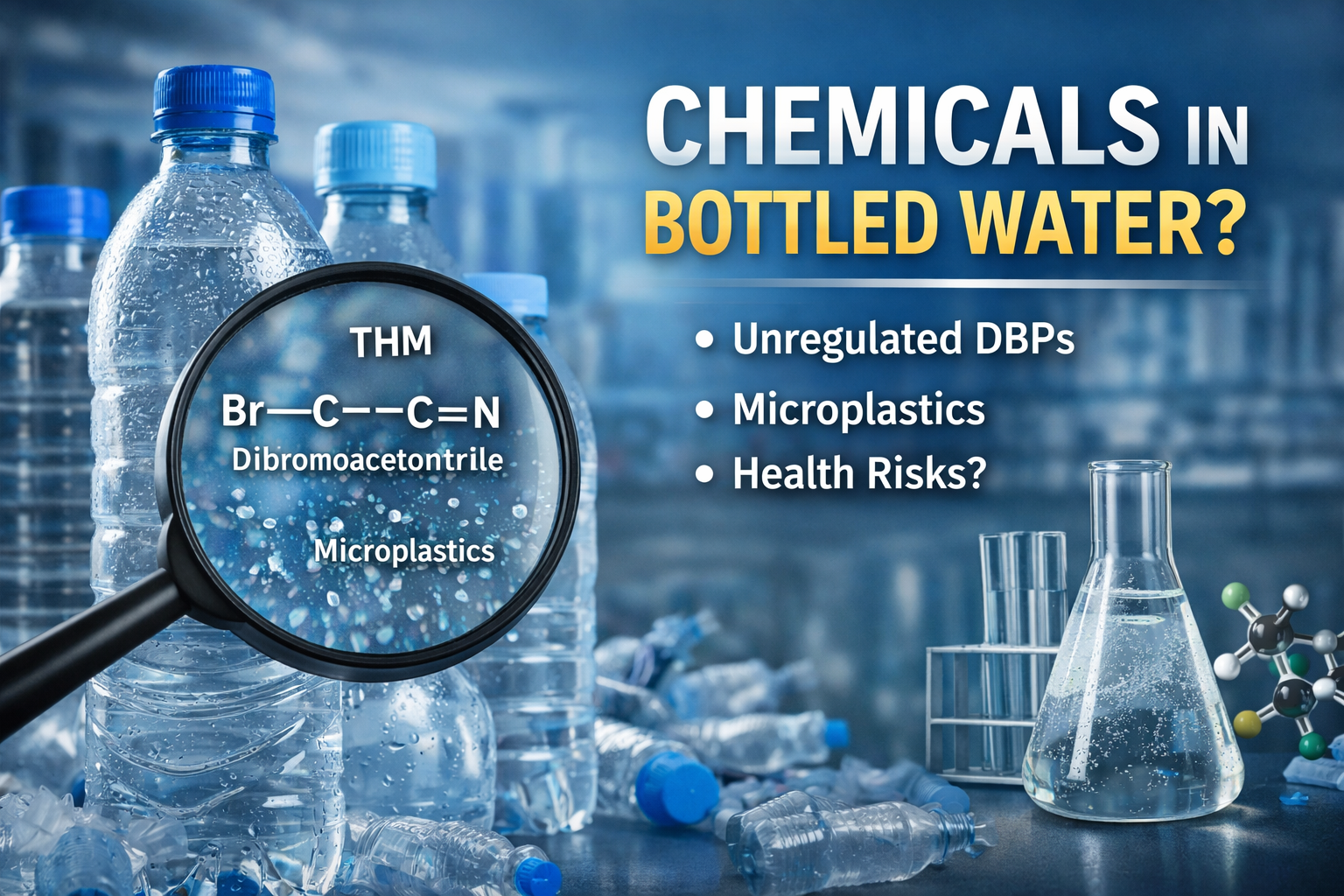
A study conducted by researchers at the University of South Carolina, scheduled for publication in the March issue of Water Research, analyzed ten popular bottled water brands. The research tested for 64 chemicals, including both regulated and unregulated substances known as disinfection byproducts or DBPs. Disinfection byproducts are formed when water is treated to remove harmful bacteria and pathogens but can result in potentially toxic compounds.
The findings revealed that all bottled waters contained DBPs, although at much lower levels than typically found in tap water. This is an important distinction because, while bottled water may have fewer types of DBPs than municipal tap water, the presence of unregulated chemicals can still pose a risk to consumers. Susan Richardson, co-author of the study and a chemistry professor, noted that before this research, there was little information available about many unregulated toxic DBPs.
Understanding Disinfection Byproducts
Disinfecting water is a crucial process to prevent waterborne illnesses such as cholera, typhoid, and dysentery. Chlorination and other disinfection methods have saved countless lives, but they are not without side effects. When disinfectants interact with naturally occurring organic matter in water, chemical byproducts are formed. Some of these byproducts have been linked to health issues including bladder cancer, colorectal cancer, miscarriages, and birth defects.
According to Richardson, bottled waters labeled as spring water generally showed lower levels of DBPs. Bottled waters made from purified tap water contained higher concentrations of these chemicals. Two grocery-store brands tested had particularly high toxicity, with DBP levels up to 43 and 83 times higher than other bottled waters. On average, researchers detected three types of DBPs in bottled water, compared to 37 types typically found in tap water.
One chemical of concern identified in the study is dibromoacetonitrile, a possible carcinogen that is not regulated by either the U.S. Food and Drug Administration (FDA) or the Environmental Protection Agency (EPA). While the study found its levels were low and comparable to tap water, its presence highlights the lack of regulation surrounding certain chemicals in bottled water.
Regulation of Bottled Water
The FDA regulates certain chemicals in bottled water, such as bromate and trihalomethanes, which are recognized as potential health hazards. However, many of the chemicals discovered in this study are not yet subject to government regulation. Natalie Exum, an assistant professor at Johns Hopkins Bloomberg School of Public Health, emphasized that unregulated DBPs are of particular concern because their toxicological profiles are not fully understood. She noted that consumers may be ingesting these chemicals without proper knowledge of their potential health effects.
This regulatory gap creates uncertainty for consumers. While bottled water is often marketed as a safer alternative to tap water, research indicates that this is not always the case. Sherri Mason, director of Project NePTWNE at Gannon University, pointed out that tap water is generally safer than bottled water due to frequent testing and monitoring. Tap water facilities conduct daily or even hourly testing, whereas bottled water is tested less frequently.
Microplastics and Chemical Exposure
Beyond DBPs, bottled water has been found in other studies to contain microplastics and chemical contaminants like benzene. Microplastics are tiny plastic particles that can enter water from bottle packaging, transport, or processing. Over time, these microplastics can accumulate in the human body, though the full extent of their health effects remains under investigation.
Benzene and other industrial chemicals can also leach into bottled water from the plastic containers themselves. Heat, sunlight, and prolonged storage can increase the likelihood of chemical migration. This combination of microplastics, chemical byproducts, and industrial contaminants suggests that bottled water may carry risks that consumers are not aware of.
Cost and Environmental Considerations
Another factor to consider is the environmental impact of bottled water. Globally, billions of plastic bottles are discarded each year, many of which are not recycled. Plastic pollution affects oceans, rivers, and wildlife. Richardson emphasized that bottled water has a high environmental cost, especially when compared to tap water. Beyond environmental damage, bottled water is considerably more expensive than municipal water, often costing hundreds of times more per gallon.
Given the potential health risks, high cost, and environmental impact, Richardson does not recommend switching from tap water to bottled water unless there is a known contamination issue in local water sources. For most consumers, properly filtered tap water remains a safer, more cost-effective, and environmentally responsible choice.
Tips for Safer Hydration
For those concerned about chemical exposure, several practical steps can help reduce risks from both tap and bottled water:
- Use a Certified Water Filter: Installing a certified water filter at home can reduce DBPs, microplastics, heavy metals, and other contaminants. Look for NSF-certified filters for best results.
- Check Local Water Quality Reports: Municipalities in the United States provide annual Consumer Confidence Reports that detail water quality, contaminants, and any health risks. Reviewing these reports can inform decisions about whether additional filtration is necessary.
- Avoid Long-Term Storage in Plastic: If you must store water, use glass or stainless steel containers and avoid prolonged exposure to heat or sunlight.
- Be Mindful of Labels: Bottled water labeled as spring water or mineral water may have fewer chemical byproducts than water purified from tap sources.
- Reduce Plastic Use: Consider reusable water bottles to limit environmental impact and reduce exposure to potential leaching chemicals.
The Bigger Picture
While the study highlights the presence of DBPs and other chemicals in bottled water, it also underscores the importance of ongoing research and regulation. Scientific understanding of unregulated chemicals is still evolving, and more studies are needed to determine safe consumption levels. Consumers should be aware of these findings and make informed choices about hydration.
Health experts caution that bottled water is not inherently unsafe, but it is not risk-free. Balanced consumption and awareness of water sources are key to maintaining long-term health. The broader public conversation must consider the interplay between cost, convenience, safety, and environmental responsibility.
In addition, policy changes may be required to ensure that bottled water companies provide greater transparency about chemical testing, ingredient disclosure, and quality control measures. Regulatory oversight should extend beyond the limited list of chemicals currently monitored by the FDA, addressing both health risks and environmental sustainability.
Conclusion
Bottled water offers convenience, but new research indicates that it may contain unregulated chemical byproducts, microplastics, and other contaminants. While the levels of these chemicals are generally low, the lack of regulation and limited understanding of their health impacts should prompt caution. Tap water, when properly treated and filtered, remains a safer, more sustainable, and cost-effective option for hydration.
Consumers should remain informed, review water quality reports, and consider using certified water filters at home. Reducing reliance on bottled water not only benefits individual health but also mitigates environmental damage caused by plastic waste. Ultimately, knowledge and awareness are key to making safe choices regarding the water we drink.
Sources
- Richardson S, et al. Water Research. March 2026 Issue.
- Exum N. Johns Hopkins Bloomberg School of Public Health. Commentary on Unregulated DBPs. 2026.
- Mason S. Project NePTWNE, Gannon University. Bottled Water Safety Analysis. 2026.
- U.S. Food and Drug Administration. Bottled Water Quality and Regulation. 2026.
Disclaimer
This article is for educational purposes only and is not intended to provide medical advice, diagnosis, or treatment. Individual health risks may vary, and readers should consult a healthcare professional for personalized guidance regarding water consumption or exposure to chemical contaminants.