
Rheumatoid arthritis causes, symptoms and treatments
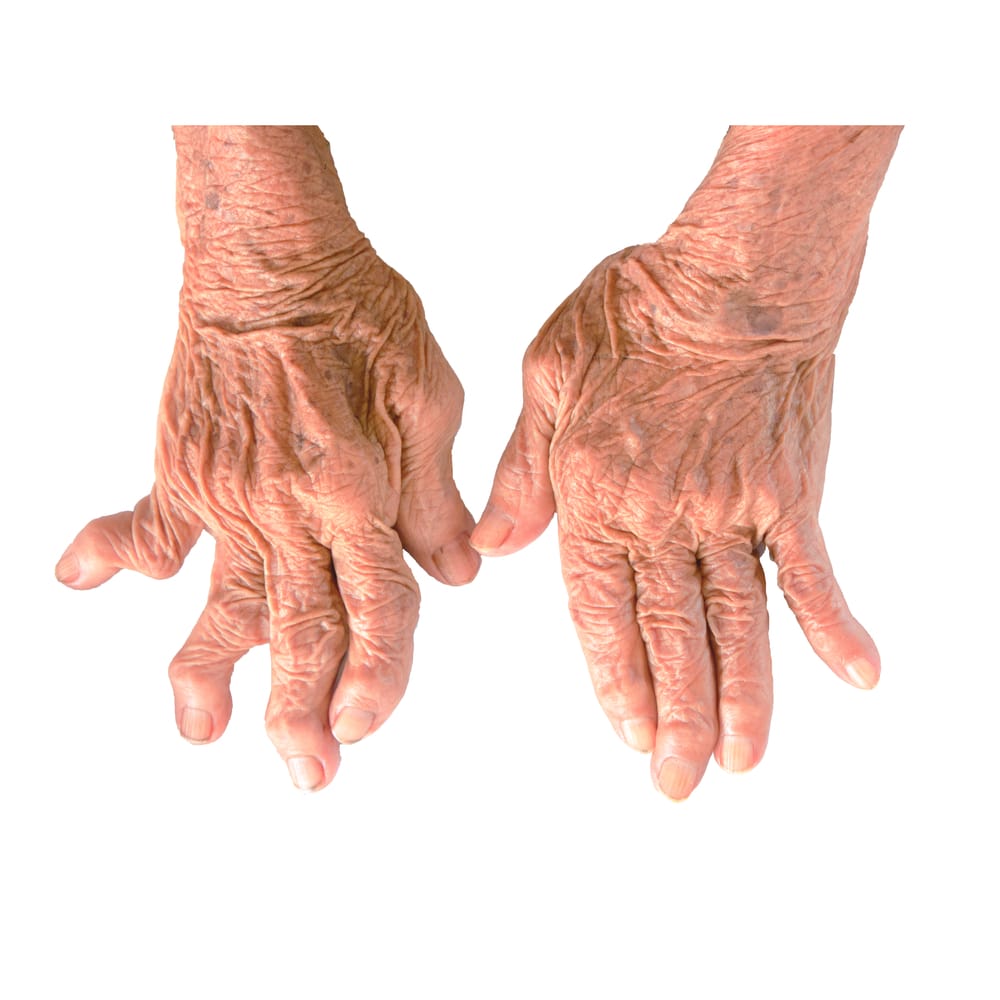
Rheumatoid arthritis (RA) is a chronic (long-lasting) autoimmune disease that mostly affects joints. RA occurs when the immune system, which normally helps protect the body from infection and disease, attacks its own tissues. The disease causes pain, swelling, stiffness and loss of function in joints. Uncontrolled inflammation damages cartilage, which normally acts as a “shock absorber” in the joints. In time, this leads to bone erosion, deformation and rarely bone fusion as an effort of body to protect itself from constant irritation.
What are the characteristic features of RA?
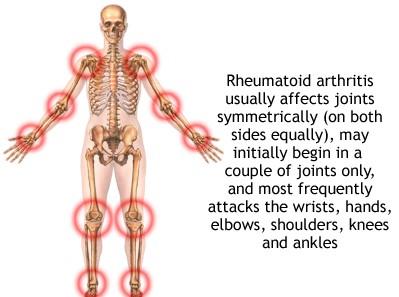
- RA often occurs in symmetrical pattern, meaning that if one knee or hand has the condition, the contralateral knee or hand is also likely to be affected.
- It can affect the joints in the wrists, hands, elbows, shoulders, feet, spine, knees and jaw.
- RA may cause fatigue, occasional fever and loss of appetite.
- RA may cause medical problems outside of the joints in areas such as heart, lungs, skin, blood, nerves and eyes.
It affects the tissues lining the joint at the surfaces of the bones that articulate to form the joint.
(https://www.niams.nih.gov/health-topics/rheumatoid-arthritis)
What causes RA and what is its pathophysiology?
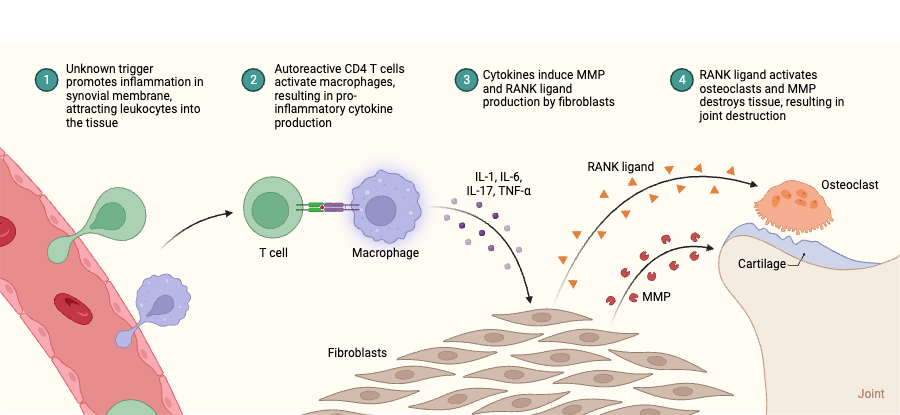
The reasons for occurance of RA is still unknown. However, certain predisposing factors can trigger physiologic changes which can predict onset of RA which may include –
- A combination of genes and exposure to environmental factors. Females are more predisposed than men to get RA.
- The immune system staying active for a very long time for various reasons.
- The start of autoimmune process may happen in other areas of the body, but the impact of the malfunction typically settles in joints.
- Immune cells cause inflammation of the inner lining of the joints called synovium.
- This inflammation becomes chronic, and the synovium thickens due to an increase of cells, protein production and other factors in the joint which can lead to pain, redness and warmth.
As the disease progresses, the inflammed synovium pushes further into the joint and destroys the cartilage and bone within the joint.
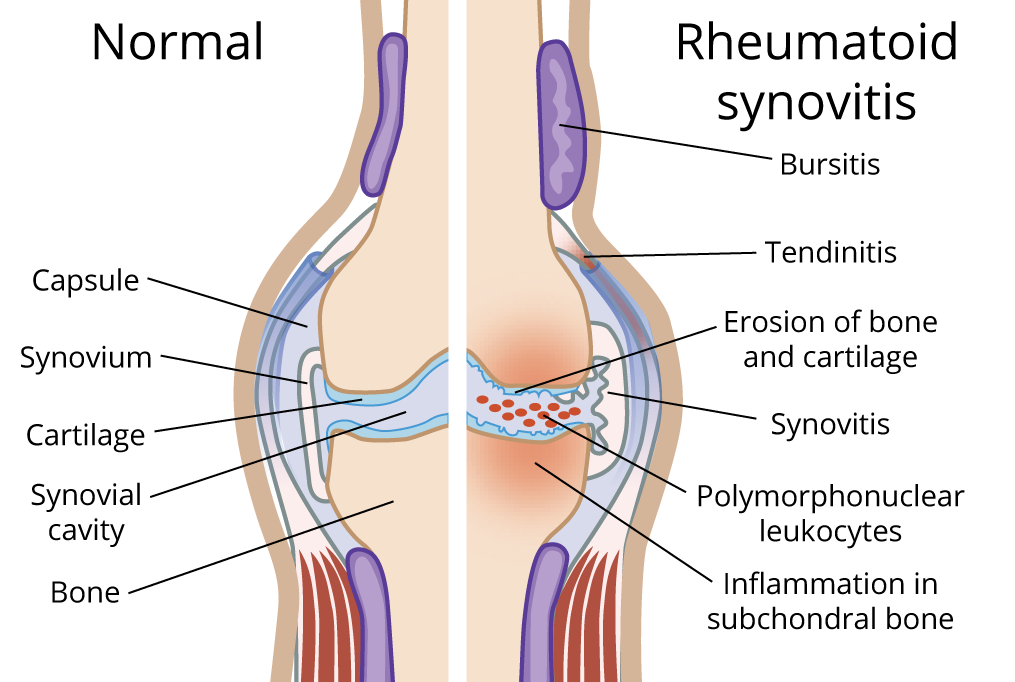
- As the joint capsule stretches, the forces cause changes within the joint structure.
- The surrounding muscles, ligaments and tendons that support and stabilize the joint become weak overtime and do not work as well. This can lead to more pain, further joint damage and functional limitations.
(https://www.niams.nih.gov/health-topics/rheumatoid-arthritis)
What are the symptoms of RA affecting the joints?
RA affects people differently. Typical presentation includes
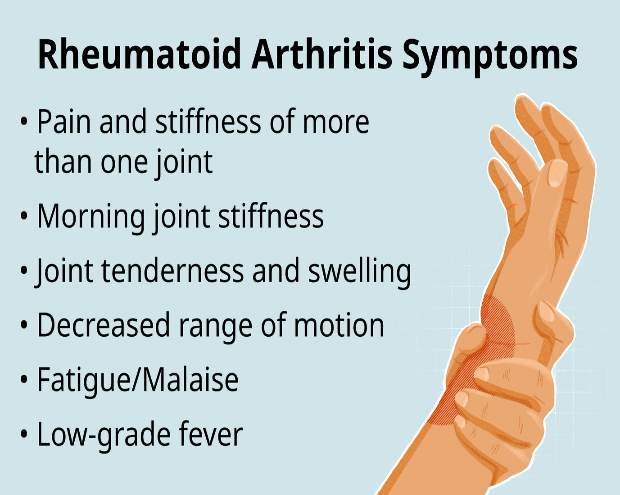
- Pain onset in the small joints that doesn’t get better over time.
- Swelling and redness along those joints which can worsen with stress, environmental factors such as cigarette smoke or viral infection or too much activity.
- Joint stiffness lasts 30 minutes or longer specially after waking in the morning or resting for long period of time.
- Joint pain, swelling and stiffness interferes with activities of daily living (ADLs) such as difficulty in making fist, combing hair, buttoning clothes or bending knees.
- Feeling of fatigue, occasional low grade fever or loss of appetite.
- Noticing changing of shape of few joints, specially of fingers and toes as RA progresses.
How is RA diagnosed?
Doctors will diagnose RA based on history, physical examination, lab testing and imaging. It can be difficult to diagnose RA in its early stages as there is no single test for diagnosing RA and clinical presentation may vary from person to person.
Diagnostic criteria for RA includes correlating clinical signs and symptoms with positive biomarker test results of rheumatoid factor and anti-cyclic citrullinated peptide (anti-CCP) antibody. Other laboratory tests include elevated levels of C-reactive protein, or Erythrocyte sedimentation rate (ESR). (https://my.clevelandclinic.org/health/diseases/4924-rheumatoid-arthritis)
X-rays help to check for RA in advanced stages where joint damage has occurred. Doctors may prescribe X-rays for monitoring the progress of RA. MRI and ultrasound may help diagnose and evaluate the extent of tissue damage in RA during early stages.
How can we manage RA?
- Medications – treatments are aimed predominantly to improve quality of life by improving joint function. This can be achieved by prescribing drugs that reduce pain, swelling, inflammation and joint structure damage. Joint damage can start as early as first or second year after disease diagnosis. Some of the commonly prescribed class of medicines for RA are a) anti-inflammatory medication to help provide pain relief and lower inflammation, b) corticosteroids that also help lower the inflammation and provide symptom relief, c) disease-modifying anti-rheumatic drugs (DMARDs) that might help retard the progression of RA and joint damage.
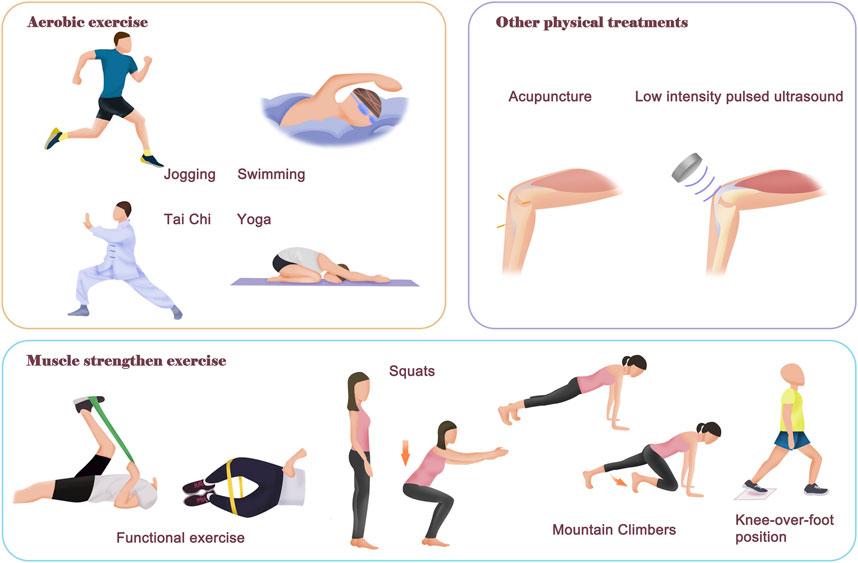
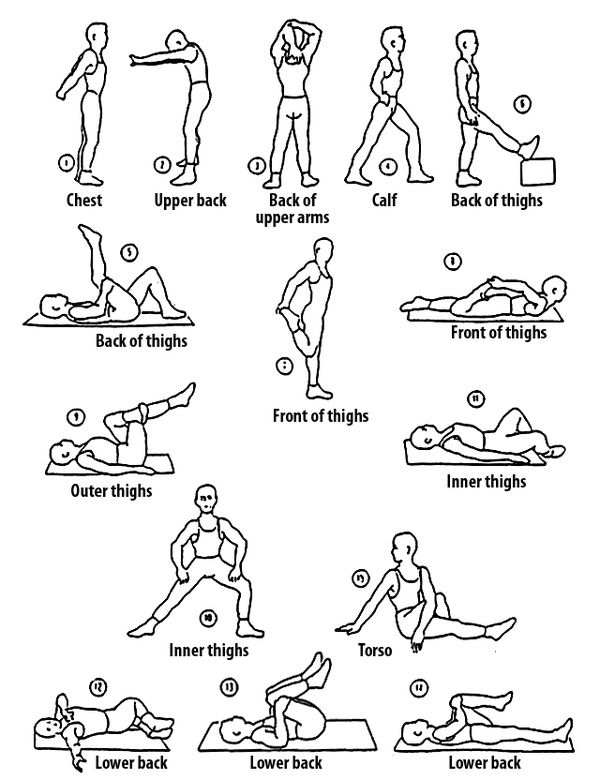
- Physical therapy and rehabilitation – is aimed at restoration of joint range of movement, muscle strength & flexibilty and pain relief.

- Occupational therapy – intervention in the form of adding braces to enhance joint alignment during functional activities can retard progression of joint damage and reduce pain during movements.
- Surgical intervention – for severely damaged joint is considered based on patient`s mobility expectations.
- Dietary modification – include avoiding all ultra-processed foods, salty diet, excess carbs and inflammation-causing foods along with weight management helps with RA symptoms of joint pains.
(https://www.niams.nih.gov/health-topics/rheumatoid-arthritis/diagnosis-treatment-and-steps-to-take)
What are the complications of having RA?
Rheumatoid arthritis increases the risk of developing
- Osteoporosis – a condition that makes bones brittle, increasing the risk of fractures
- Rheumatoid nodules – tissue bumps which can occur on the skin or internal organs
- Sjogren`s syndrome – is likely to develop in RA in which there is dryness of eyes and mouth
- Infections – can develop because of RA itself and medications used to combat body`s impaired immune system.
- Carpel tunnel syndrome – is likely to develop in patients with RA due involvement of wrists
- Heart disease – is more likely in RA due to involvement of the pericardium and chances of developing atherosclerosis of the arteries.
- Lung disease – may occur due to inflammation and scarring of lung tissue which leads to progressive shortness of breath.
- RA also increases the risk of developing LYMPHOMA, a group of blood cancers that develop in the lymphatic system. (https://www.mayoclinic.org/diseases-conditions/rheumatoid-arthritis/symptoms-causes/syc-20353648)