
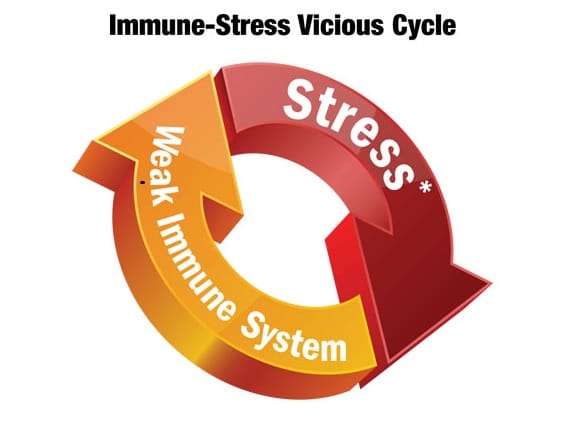
Impact of stress on the immune system
Various studies have led us to a convincing conclusion of links between stress and its impact on aspects of health.
What is stress for the human body?
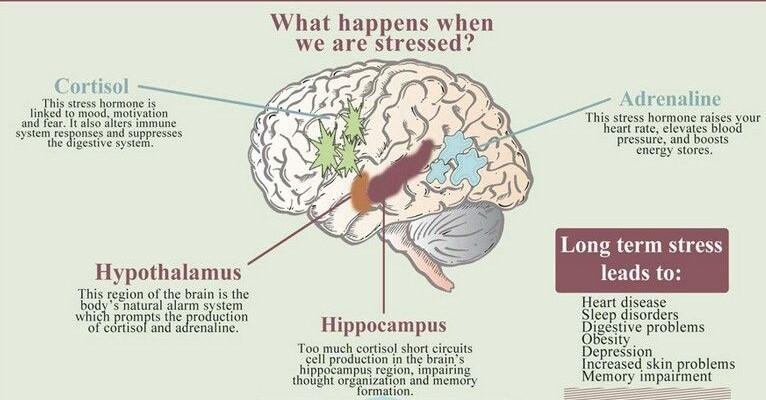
In medicine, stress is defined as the body`s response to physical, mental or emotional pressure or a perceived threat. Stress causes biochemical changes in the body that can raise blood pressure, heart rate and sugar levels. It may also lead to feelings of frustration, anger, anxiety and depression. Stress can be caused by normal life activities or events such as trauma or illness. A stress response can be necessary while trying to avoid an accident, fight pathogenic invasion or prepare escape in a life-threatening situation such as escaping fire. Long term or high levels of stress may lead to mental and physical health problems.
(https://www.cancer.gov/publications/dictionaries/cancer-terms/def/stress)
What are the causes of stress?
Some of the typical causes of acute or chronic stress could include
- Living through a natural or manmade disaster
- Suffering from chronic illness/disease
- Surviving a life-threatening accident
- Being a crime victim
- Living in an abusive relationship in family
- Living in poverty or without having a home
- Caregiving for a loved one with chronic illness e.g. dementia patient
- Dangerous job/profession e.g. military services
- Going through prolonged legal procedures such as in divorce or child custody
What are some of the common symptoms of stress?
- Chronic pain in muscles, joints, tension headaches.
- Insomnia and other sleep dysfunction.
- Digestive dysfunction, eating too much or too little, stress ulcers in stomach with Helicobacter pylori infection.
- Low sex drive, fatigue, lethargy.
- Inclination to alcohol or smoking as a way to cope stress and anxiety.
- Drug abuse, dependency on pain relief medication.
What is the function of the immune system?
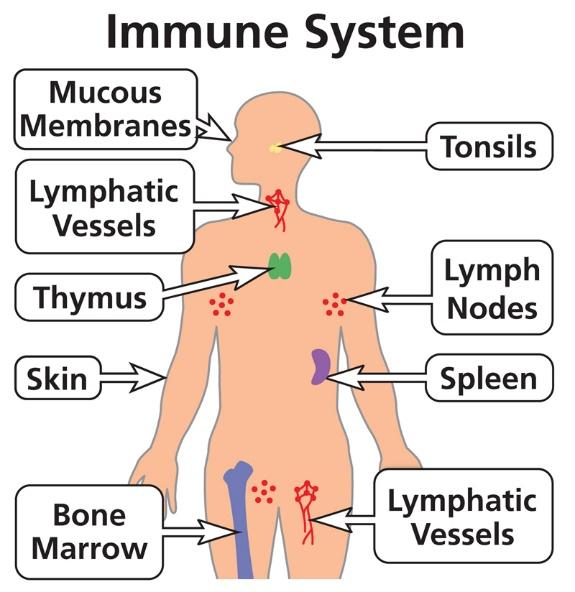
The function of the immune system is to protect us from organisms that cause disease and from other materials that are harmful to the body. When person perceives stress, the typical response of the brain is to flood the body with protective chemicals and hormones such as adrenalin and cortisol. Cells of the immune system, i.e. white blood cells circulate throughout the body and are also located in bone marrow, thymus, lymph nodes and spleen. Antibodies are proteins produced by certain lymphocytes (type of white blood cells) when harmful substances invade the body. Integrity of the immune system can be tested by
- White blood cell count.
- Antibody count.
- Lymphocyte proliferation – multiplying capacity of the lymphocytes.
- Natural killer cytotoxic activity especially in fighting against certain viral infections or cancers.
(https://iris.who.int/bitstream/handle/10665/326983/WH-1994-Mar-Apr-p4-5-eng.pdf)
What are the types of stress and its immune-response?
- Long-term stress suppresses or dysregulates innate and adaptive immune responses by altering the Type 1-Type 2 cytokine balance, inducing low-grade chronic inflammation, and suppressing numbers, trafficking, and function of immune-protective cells. Chronic stress may also increase susceptibility to some types of cancer by suppressing Type 1 cytokines and protective T cells and increasing regulatory/suppressor T cell function.
Short-term or acute stress lasting few minutes to few hours enhances innate/primary and adaptive/secondary immune responses. Mechanisms of immuno-enhancement include changes in dendritic cell, neutrophil, macrophage, and lymphocyte trafficking, maturation, and function as well as local and systemic production of cytokines.
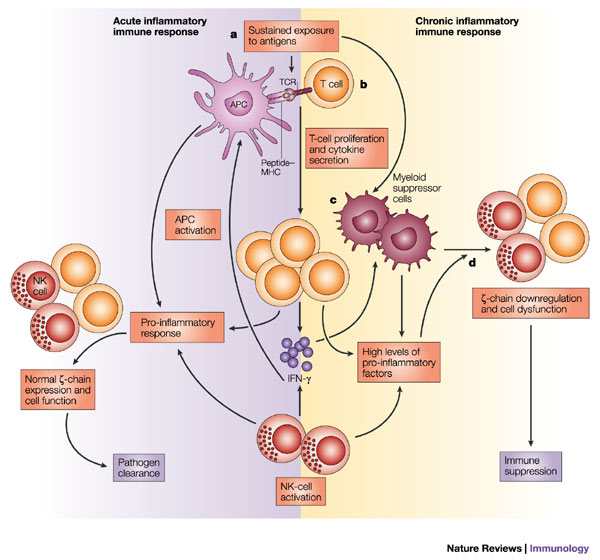
Thus, short-term stress can enhance the acquisition and/or expression of immune-protective (wound healing, vaccination, anti-infectious agent, anti-tumour) or immuno-pathological (pro-inflammatory, autoimmune) responses. In contrast, chronic stress can suppress protective immune responses and/or exacerbate pathological immune responses (https://pubmed.ncbi.nlm.nih.gov/24798553/).
What are some known health implications of chronic stress?
Chronic stress reduces the number of lymphocytes that puts the body at risk of getting infections. Unmanaged high levels of stress are linked to chronic inflammatory conditions of the immune system such as
- Arthritis
- Fibromyalgia
- Lupus
- Psoriasis
- Inflammatory bowel disease
Under sustained long-term stress, cardiovascular pathologies, gastric ulcers, type 2 diabetes, certain cancers and mental health decline can be seen.
How can I manage stress?
There is no one size fits all when it comes to stress management. For starters, following can be some basic ways that can help to set goals towards achieving better lifestyle and reducing harmful effects of stress on the body.
- Maintain a healthy diet content and regularity each day
- Aim for 7 to 8 hours of sleep each night
- Minimise use of caffeine and alcohol
- Try to build a routine of some form of moderate exercise at least 3 to 4 times/week
- Make time for rest, relaxation and self-care
- Stay socially connected to give and get support when needed
- Learn yoga, meditation or breathing techniques which helps mindfulness and relaxation
- Hydrate sufficiently as it helps flush out the toxins and maintain body homeostasis
When it is difficult to manage stress on your own, seek help from your therapist or a mental health professional to understand and explore more options.
In 2004, the American psychological association published an article as a part of press release highlighting how stress affects immunity. The authors discussed findings from 293 studies researched between 1960 and 2001 published in the peer-reviewed international scientific journals. The meta-analysis pointed to three major conclusions –
- Short term stress “revs-up” the immune system, an adaptive response preparing for injury and infection. Long term or chronic stress causes too much wear and tear and the system breaks down.
- Immune system of older people or those who are already sick are more prone to stress related change.
Stress alters immunity.