
GOUT cause and treatments
What is Gout?
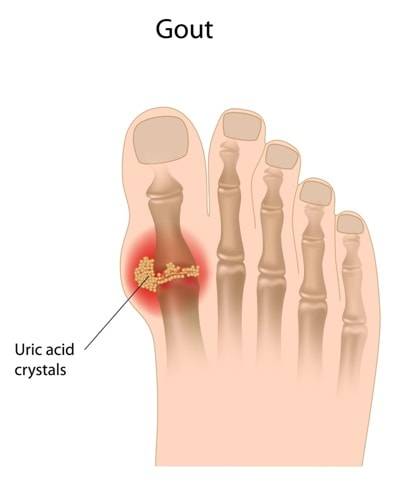
Gout is a type of inflammatory arthritis that causes pain and swelling in joints. It usually last for a week or two in the big toe or knee, and then resolve. Gout happens when high levels of uric acid builds up in the body over a period of time which can then form needle-shaped crystals around the joint. Areas of body which can get affected by gout are joints, bursa, tendon sheaths and kidneys. (https://www.niams.nih.gov/health-topics/gout)
What causes gout?
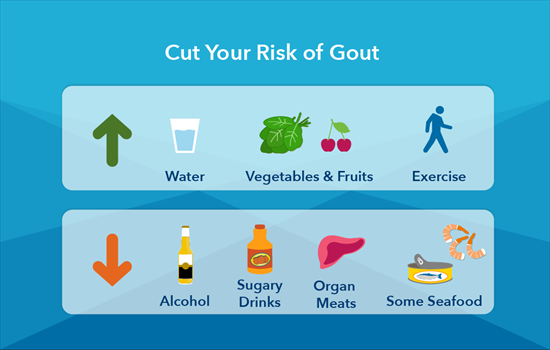
A build up of excess uric acid in the body causes gout. Body naturally makes uric acid when it breaks down chemicals called purines found in certain food and drinks. The kidneys usually filter uric acid out of blood and is elimination in urine. Sometimes body makes too much uric acid, or the kidneys fail to remove the excess uric acid in which case uric acid crystals can build up and settle in the joints. Gout developing risk factors are:
- Overweight or obesity
- Congestive cardiac failure
- Diabetes
- Hypertension
- Kidney disease
- Blood cancer
- Having high intake of animal protein in diet – beef, bacon, pork, lamb and certain sea foods
- Alcohol addiction or very high intake of fructose, corn syrup or sugary drinks
- Taking immunosuppressants, low dose aspirin or diuretics can raise chances of getting gout
Males are three time more likely to get gout compared with females. Female likelihood to get gout increases after menopause. Genetic history of gout in family is also a risk factor to get gout
(https://my.clevelandclinic.org/health/diseases/4755-gout)
What are the symptoms of gout?
Gout is a disease that can move through several stages.
- Hyperuricemia is when there is elevated urate levels in blood and uric acid crystals in the joint but patient does not present with symptoms.
- Gout flares, are episodes of attack with intense joint pain and swelling.
- Interval or inter-critical gout is the period between gout attacks without symptoms.
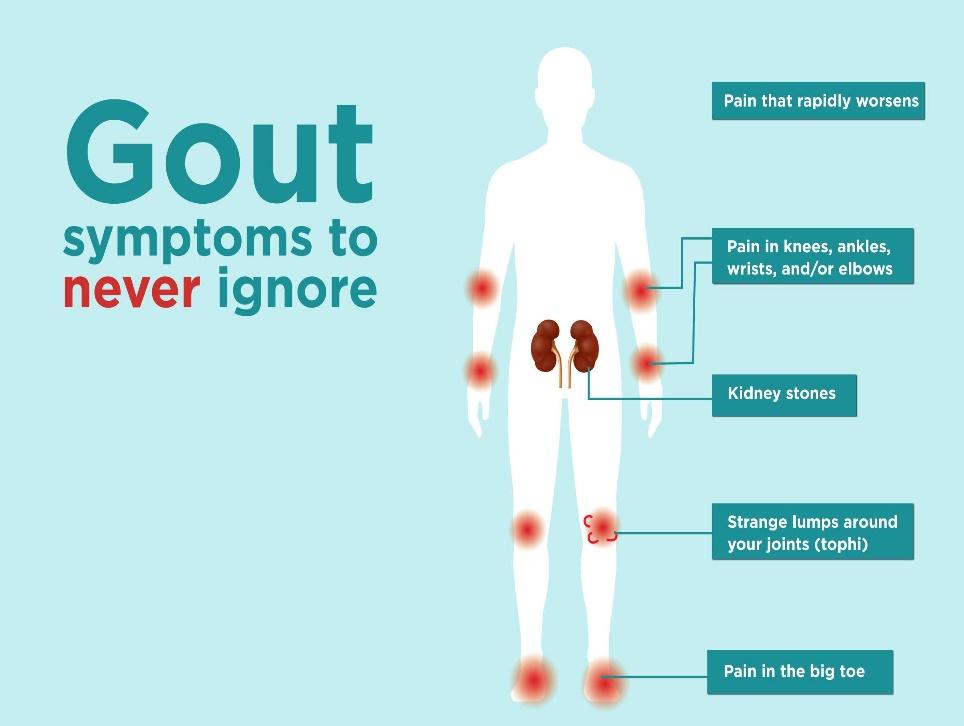
- Tophi is the late stage of gout when crystals build up in the skin and other areas of the body. Depending on the location, tophi can permanently damage the joint or organ such as kidney if not treated appropriately.
Gout is the most controllable form of arthritis which can be treated to reduce the episodes of acute attacks and in some cases eliminate them completely. (https://www.niams.nih.gov/health-topics/gout)
During an episode of attack the patient presents clinically with
- History of sudden and severe pain, usually in the middle of night or early morning
- Tenderness and warmth over the joint on palpation
- The area appears swollen, red or purple
- Patient reports of stiffness and the range of movement of the joint may be restricted (https://www.webmd.com/arthritis/understanding-gout-symptoms)
How is Gout diagnosed?
The physician will ask for history of symptoms along with physical examination of affected joints. The findings are correlated with
- Lab tests to check uric acid level in blood
- Joint aspiration test by using needle to draw fluid from the joint to detect uric acid crystals
- Ultrasound or CT scan which can detect uric acid crystal within the joint and rule out other diagnosis like pseudogout, psoriatic arthritis or other infectious arthritis (https://www.webmd.com/arthritis/do-i-have-gout)
What are the aims of treating Gout?
Various pharmacological and non-pharmacological treatments aim for:
- Reducing the pain from gout flares
- Prevention of future attacks
- Prevent and resolve tophi from damaging joints and organs
- Monitor other complications which can result from Gout such as heart and kidney disease (https://www.niams.nih.gov/health-topics/gout/diagnosis-treatment-and-steps-to-take)
Treating Gout includes:
- Medication – is always with physician`s recommendation.
- Anti-inflammatory medications like non-steroidal anti-inflammatory drugs (NSAIDs) can help with pain relief.
- Colchicine is usually prescribed during initial stages to help relieve gout symptoms.
- Corticosteroids are prescribed either orally or as joint injections to reduce inflammation and swelling. Allopurinol is prescribed during an acute attack of gout to reduce uric acid levels in the body.
- Managing hyperuricemia by Xanthine oxidase inhibitors which helps prevent production of urate. Uricosuric agents which helps kidneys flush urate out of the body maybe prescribed. In cases where the standard medications have not worked, Uricase is prescribed which breaks down urate into the form which can be easily eliminated by the body. (https://www.niams.nih.gov/health-topics/gout/diagnosis-treatment-and-steps-to-take)
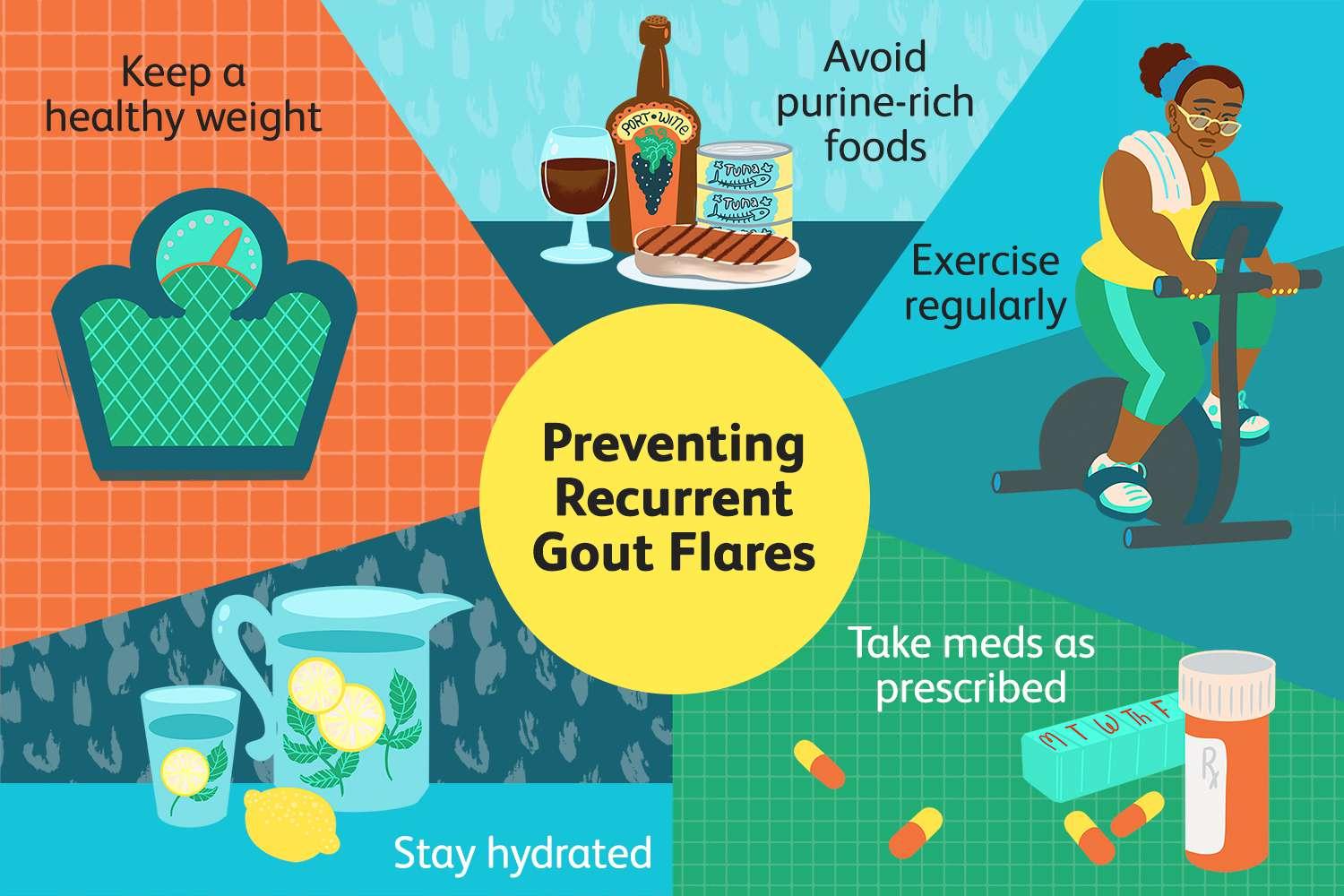
- Diet modification – eating less meat and sea food, staying away from sugary drinks, drinking lot of water may help prevent building up of uric acid in the body.
- Consulting with the physical therapist for exercises, weight loss and maintaining joint function. Choosing low impact activities like walking, swimming and bicycling can help keep body weight under check and reduce the impact on joints.
How to schedule an exercise program to manage gout?
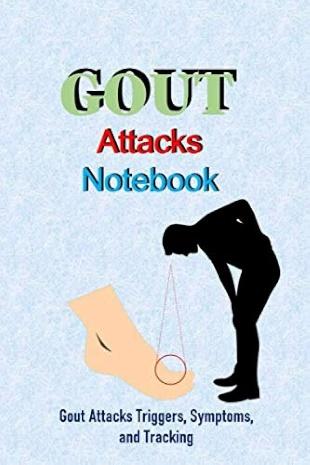
It is best not to exercise during a gout attack, but rather between flare-ups. Increased movements and weight bearing activities during gout flare-up can worsen symptoms. During a gout flare it is ideal to apply ice, elevate legs and take prescribed medication to reduce inflammation. Non-weight bearing and low intensity exercise that doesn`t increase pain maybe possible and may help reduce inflammation. In general, people with gout who maintain a routine of low- to moderate- intensity exercise have a better prognosis than those who are sedentary or those who exercise at high intensity. (https://www.ncbi.nlm.nih.gov/pmc/articles/PMC7529261/)
The following significant exercise protective physiological effects have proven to be extremely beneficial for gout according to research.
- Decreases uric acid levels
- Extends life span by 4-6 years in people who live with elevated uric acid levels
- Reduces inflammation
- Helps reduce weight and reduce the risk of gout flare ups
- Reduces insulin resistance, which helps reduce gout flare ups
- Restores strength, flexibility and functional performance after acute flare up
- Reduces risk of developing tophi
What are the best form of exercises for gout?
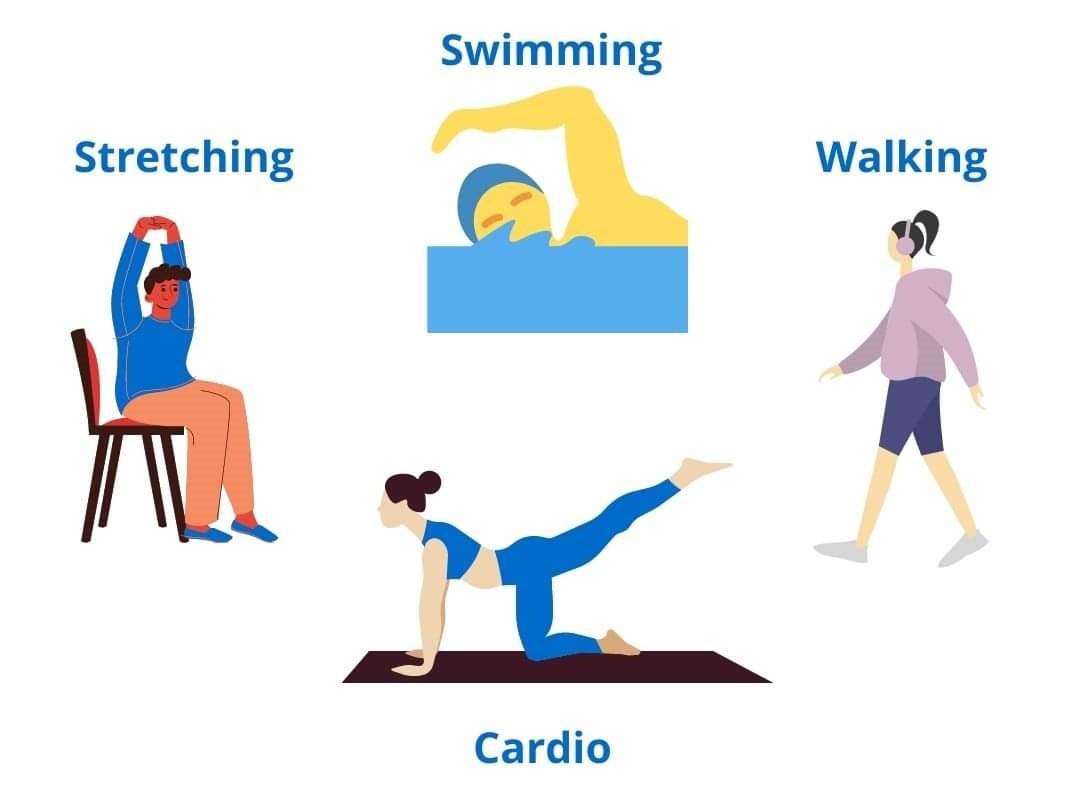
Exercises that work the cardiovascular system are best for managing uric acid levels and body weight. For example, walking, swimming and bicycling. Water based exercises are favored in advanced gout due to greater risk of joint damage and stress which is more in land based activities. Yoga has been shown to improve flexibility and reduce pain in gout. (https://www.ncbi.nlm.nih.gov/pmc/articles/PMC8971792/)