
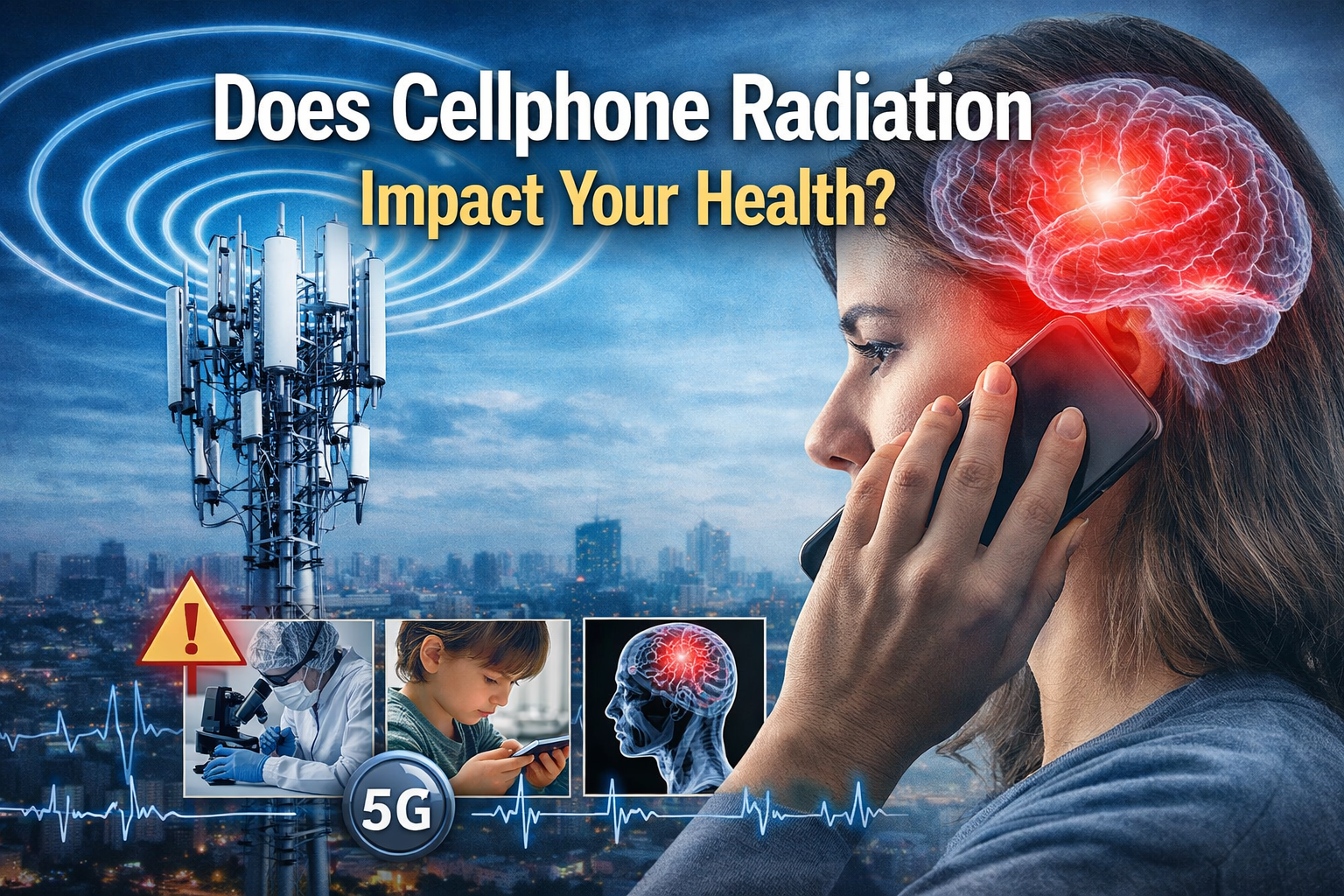
Does Cellphone Radiation Impact Your Health
In January 2026 the United States Department of Health and Human Services announced a major new scientific study designed to examine whether radiation from cellphones affects human health in meaningful ways. This announcement has sparked widespread discussion in the scientific community and among the general public. At the heart of the issue is the question of whether radiation from cellphones could lead to serious health issues including neurological damage or cancer.
In this comprehensive blog post we will lay out the background and context of the new study explore what current research says investigate why this new initiative was launched and provide practical recommendations for adults parents and caregivers.
This blog is optimized for search engines with clearly defined headings and key phrases like cellphone radiation health effects electromagnetic radiation research and public health concerns. The goal is to provide a thorough resource for anyone interested in understanding this complex topic.
What Is Cellphone Radiation
Cellphones communicate using electromagnetic radiation that transfers information between devices through radiofrequency energy. Radiofrequency energy is a type of non ionizing radiation that unlike x rays or gamma rays does not carry enough energy to break chemical bonds or directly damage DNA. Because cellphones are ubiquitous and often held close to the body there has been scientific and public concern that prolonged exposure could have long term health consequences.
Cellphone radiation falls under the broader category of electromagnetic fields that include radio waves microwaves and other forms of wireless communication energy. These types of energy are known to interact with biological tissue differently than ionizing radiation.
Understanding exactly how these interactions work and whether they can harm human health is central to the new study announced by the Department of Health and Human Services.
Why the New Study Is Being Conducted
The new study was initiated after considerable debate and several high profile statements from public figures including Health Secretary Robert F. Kennedy Jr. Kennedy has publicly raised concerns about cellphone radiation linking long term use to neurological damage and cancer in humans. These claims have driven calls for updated research and policy reviews.
The study aims to assess existing scientific data identify gaps in knowledge and focus on new technologies that have changed the way humans interact with wireless devices including the latest 5G and beyond wireless technologies. According to the HHS spokesperson Andrew Nixon the study will not only evaluate radiation itself but also look at how the science currently addresses health outcomes and where additional investigation is needed.
The strategy was directed by the Make America Healthy Again Commission which set objectives for improved public health protections. This new study represents a coordinated national effort to examine an issue that affects nearly every American adult and child.
What Current Evidence Shows
Despite ongoing public concern existing scientific research has not shown a clear link between cellphone radiation and significant adverse health effects. Major federal agencies such as the U.S. Food and Drug Administration and the Centers for Disease Control and Prevention state that based on current evidence there is no definitive harm identified from typical cellphone use.
Similarly the National Cancer Institute part of the National Institutes of Health has stated that the evidence to date does not support the idea that cellphone use directly causes brain or other types of cancer in humans.
It is important to recognize that science evolves over time and that conclusions about health risks are based on the best available evidence. As new technologies are introduced and usage patterns change researchers must continue to assess potential long term outcomes.
What the New Study Could Reveal
The new study is designed to fill in gaps in scientific knowledge and explore areas that have not been thoroughly studied. Some of the key questions it is expected to address include:
1. Long Term Exposure Effects
Most research to date has focused on short to medium term exposure to cellphone radiation. The new study may examine long term cumulative exposure over years or decades. This could be particularly important for understanding risks for people who have used cellphones extensively over many years.
2. Vulnerable Populations
Children and adolescents use cellphones differently than adults and their developing brains may respond differently to radiation. The study could explore whether this group is at increased risk compared to adults.
3. Emerging Wireless Technologies
Newer wireless technologies including 5G and future generations use higher frequencies and different modulation techniques. These technologies were not widely available when many of the foundational studies were conducted. Examining how these new technologies interact with human biology is a key part of the research agenda.
4. Biological Mechanisms
Identifying whether electromagnetic radiation at levels emitted by cellphones can cause cellular or molecular changes remains an open scientific question. The new study will likely look closely at potential biological mechanisms that could explain any observed health effects.
Public Response and Policy Implications
Since the announcement there has been considerable public response from health advocacy groups scientists parents and lawmakers. Many are calling for precautionary strategies including updated public health advisories improved labeling for cellphone radiation exposure and enhanced communication about safe usage practices.
Some states and school districts have already taken steps to reduce children’s exposure to wireless communication devices during school hours. These policies are aimed at improving student focus and physical well being but also reflect broader concerns about long term technology exposure.
Health officials have acknowledged these concerns even as they emphasize that current evidence does not show clear harm. The new study may influence future public health guidelines and inform regulatory decisions by entities such as the FDA and FCC.
Practical Tips for Reducing Exposure
While definitive evidence of harm is not established and research continues many people want to take simple steps to reduce their exposure to cellphone radiation. Here are practical tips supported by experts:
Use Speakerphone or Wired Earbuds
Keeping your phone away from your head by using speakerphone or wired earbuds can reduce direct exposure.
Text Instead of Calling
Text messages require less time with the phone next to the head and can lower total exposure.
Avoid Carrying Phones Close to the Body
Carrying a phone in a pocket close to the body can increase exposure. Use a bag or place your phone away from your body when possible.
Limit Long Calls
If you must talk for long periods consider switching to a landline or using a headset.
Reduce Use in Low Signal Areas
Cellphones tend to emit more radiation when signal strength is low. Avoid making calls in areas with poor reception.
Keep Phone When Not in Use
Don’t sleep with your phone next to your head. Place it further away or in another room overnight.
These simple adjustments can reduce exposure without significantly impacting the convenience of cellphone communication.
Summary of Key Points
- The U.S. Department of Health and Human Services has announced a new study examining cellphone radiation and human health based on concerns raised by public figures and gaps in current scientific research.
- Current evidence from major health agencies does not show clear harm from cellphone radiation though research continues.
- The new study will explore long term effects emerging technologies vulnerable populations and possible biological mechanisms.
- Public debate and policy decisions may be influenced by the study findings especially in areas such as education and consumer guidance.
- Practical steps to reduce exposure can be implemented easily by most cellphone users.
This topic remains under active investigation and is important because cellphone use is near universal in modern society. Understanding whether and how radiation affects health can help individuals families and policymakers make informed decisions.
Source
NBC News, January 16, 2026
Disclaimer
The content of this blog is for general educational purposes and should not be taken as medical advice. It does not substitute for professional medical consultation diagnosis or treatment. Individual health conditions and responses can vary. Always consult with a qualified healthcare professional for advice tailored to your situation. Information is based on publicly available sources current as of January 2026 and may change as new research emerges.