
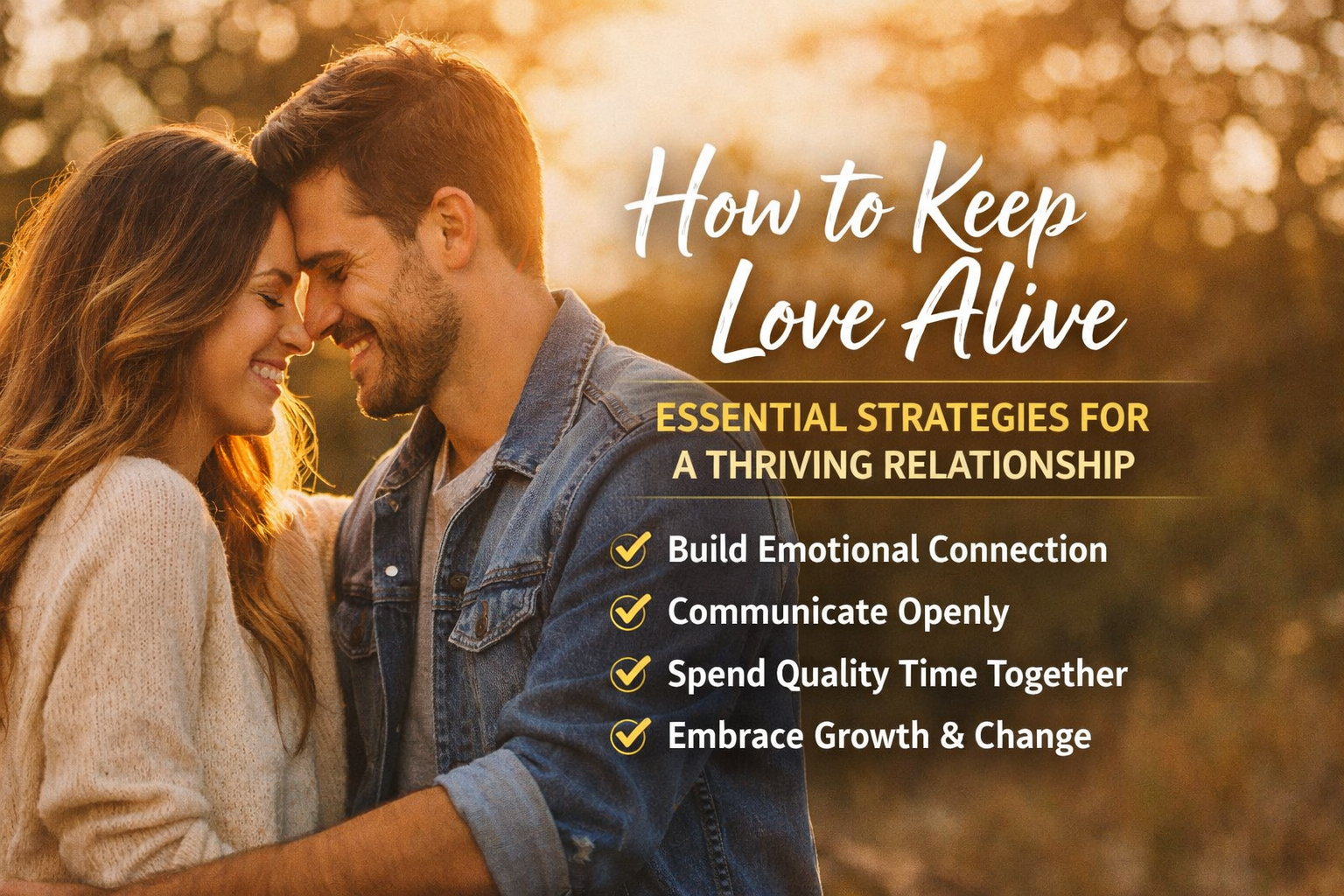
10 Proven Ways to Build a Healthy, Lasting Relationship Every Day
Valentine’s Day may celebrate love in a single moment, but sustaining a meaningful, lasting relationship requires daily effort. While love itself is essential, thriving partnerships are built on habits, communication, and emotional connection. Couples who maintain strong bonds understand that relationships are not static; they evolve over time and demand attention, empathy, and mutual respect.
In this article, we will explore practical strategies and key principles to nurture a healthy relationship year-round. These tips are based on insights from experts at HelpGuide.org and are supported by research on emotional well-being and human connection.
1. Build and Maintain Emotional Connection
A hallmark of healthy relationships is a strong emotional connection. Emotional connection goes beyond merely getting along; it involves feeling understood, accepted, and valued by your partner. According to HelpGuide.org, there is a significant difference between being loved and feeling loved. Emotional connection allows both partners to feel seen and appreciated, creating a foundation for long-term fulfillment.
Couples who prioritize emotional connection make a conscious effort to engage in meaningful conversations, share their feelings, and express empathy. Without this connection, even relationships that seem peaceful may feel distant and unfulfilling over time.
Actionable Steps:
- Share daily reflections about your day and emotions.
- Ask questions that reveal your partner’s thoughts and feelings.
- Acknowledge each other’s achievements, frustrations, and challenges.
2. Embrace Respectful Disagreement
Conflict is inevitable in any relationship, yet the ability to handle disagreements respectfully is a key factor in long-term happiness. Healthy couples do not avoid conflict; instead, they address differences calmly and openly. Avoiding conflicts or responding with criticism or humiliation can damage trust and intimacy.
Respectful disagreement involves listening actively, validating your partner’s perspective, and seeking compromise rather than insisting on being right. This approach encourages mutual respect and fosters problem-solving skills that strengthen the partnership.
Actionable Steps:
- Set aside time to discuss sensitive topics without distractions.
- Use “I” statements to express feelings without blaming.
- Agree on boundaries for discussions and avoid raising your voice.
3. Maintain Individual Interests and Relationships
No single person can meet all the emotional and social needs of their partner. A healthy relationship requires space for individuality, hobbies, and friendships outside the couple dynamic. Maintaining outside interests allows each partner to remain fulfilled, independent, and energized.
When both partners pursue personal goals and engage with friends or family, they bring renewed energy and fresh perspectives to the relationship. This independence strengthens the partnership rather than creating distance.
Actionable Steps:
- Continue hobbies that bring personal joy and growth.
- Invest time in friendships and family connections.
- Encourage your partner to pursue their interests as well.
4. Prioritize Honest and Open Communication
Effective communication is the backbone of any thriving relationship. Honest, open communication allows both partners to express needs, fears, and desires, fostering trust and deepening intimacy. According to HelpGuide.org, when both individuals feel comfortable expressing themselves, the bond grows stronger.
Miscommunication or unspoken feelings often lead to frustration and distance. Active listening and expressing oneself clearly are crucial in maintaining a healthy relationship.
Actionable Steps:
- Set aside dedicated time for meaningful conversations.
- Practice active listening, reflecting back what your partner says.
- Share feelings and concerns without judgment or blame.
5. Learn and Use Love Languages
Understanding your partner’s love language is essential for expressing affection effectively. According to the bestselling book The Five Love Languages, there are five common types: words of affirmation, acts of service, receiving gifts, quality time, and physical touch. Each person feels loved differently, and aligning your expressions of love with your partner’s preferred language enhances intimacy and emotional satisfaction.
For example, if your partner’s love language is quality time, they will feel most appreciated through undivided attention rather than gifts or verbal compliments. Tailoring your actions to their love language fosters understanding and emotional resonance.
Actionable Steps:
- Identify your partner’s primary love language.
- Intentionally express love in ways that resonate with them.
- Discuss your own love language to ensure mutual understanding.
6. Spend Quality Time Together
In today’s fast-paced world, technology often replaces in-person interaction. While messaging and emails serve practical purposes, face-to-face communication has a unique impact on emotional and neurological health. Sharing activities and creating memorable experiences together strengthens bonds.
Whether it is a morning coffee ritual, a daily walk, or a shared hobby, quality time allows couples to enjoy each other’s presence and reinforce their emotional connection. Volunteering together or tackling new challenges can also create shared experiences that deepen intimacy.
Actionable Steps:
- Schedule regular date nights or weekend outings.
- Choose activities that both partners enjoy and can participate in together.
- Engage in conversations without distractions from phones or devices.
7. Physical Affection Strengthens Relationships
Physical affection is a cornerstone of intimacy and connection. While sex plays an important role in many relationships, frequent, affectionate touch such as hugging, kissing, and holding hands is equally significant. Regular physical contact reinforces trust, lowers stress, and promotes emotional closeness.
Creating intentional moments for physical touch can improve relationship satisfaction, even outside the bedroom. Couples who prioritize physical affection report feeling more connected and emotionally supported.
Actionable Steps:
- Integrate small acts of physical touch throughout the day.
- Schedule time for intimacy and connection.
- Be responsive to your partner’s comfort level and preferences.
8. Manage Relationship Ups and Downs
Every relationship experiences challenges. Life changes, stress, and personal growth can create periods of conflict or emotional distance. Healthy couples accept that difficulties are natural and approach them with problem-solving and empathy.
Being prepared for ups and downs involves maintaining open communication, practicing patience, and seeking help when necessary. Couples who address problems early are less likely to experience prolonged tension or resentment. Professional counseling or relationship coaching can provide valuable support during difficult times.
Actionable Steps:
- Regularly check in with each other about the relationship.
- Develop strategies to address conflicts constructively.
- Consider professional support when challenges feel overwhelming.
9. Express Gratitude and Appreciation
Small gestures of appreciation can have a profound impact on relationship satisfaction. Expressing gratitude, complimenting your partner, and acknowledging their contributions fosters positivity and reinforces emotional bonds.
Daily expressions of gratitude help partners feel valued and understood. Over time, this practice strengthens trust, reduces resentment, and encourages ongoing emotional investment.
Actionable Steps:
- Verbally acknowledge your partner’s efforts.
- Write notes or messages expressing appreciation.
- Celebrate small victories and milestones together.
10. Foster a Culture of Mutual Growth
Healthy relationships involve mutual growth and support. Partners who encourage each other’s goals, celebrate achievements, and provide constructive feedback create a nurturing environment. Shared growth strengthens the partnership and promotes long-term satisfaction.
Couples who invest in personal and shared development tend to experience deeper fulfillment, as they evolve individually and together. Setting relationship goals, planning for the future, and supporting each other’s ambitions cultivates resilience and intimacy.
Actionable Steps:
- Discuss personal and shared goals regularly.
- Support your partner’s career, hobbies, and learning opportunities.
- Embrace change and growth as part of your shared journey.
Conclusion
A healthy relationship requires intention, communication, and consistent effort. By prioritizing emotional connection, honest communication, physical affection, and mutual respect, couples can maintain intimacy and satisfaction year-round. Understanding love languages, spending quality time together, managing conflicts constructively, and fostering personal growth ensures that relationships remain vibrant and fulfilling.
No partnership is perfect, and challenges will arise. The key is to approach difficulties with empathy, patience, and openness. Couples who invest in these practices cultivate relationships that thrive, providing emotional security, happiness, and fulfillment for both partners.
Sustaining love requires attention to the small daily actions that reinforce connection and understanding. Implementing these strategies consistently will help keep your relationship meaningful and resilient through life’s inevitable changes.
Source
- HelpGuide.org. "How to Nurture a Healthy Relationship." February 4, 2025.
Disclaimer
This article is intended for informational and educational purposes only. It does not provide medical, psychological, or professional advice and should not replace consultation with a qualified healthcare provider. Individual relationship dynamics vary widely, and strategies may need to be adapted to your personal circumstances. Always seek professional guidance for relationship or mental health concerns.